Medical Discoveries That Happened by Accident
Many important medical discoveries were made thanks to chance, curiosity, and careful observation. In some cases, scientists did not get the results they expected, but instead of ignoring them, they chose to investigate further. These moments changed the course of medicine.
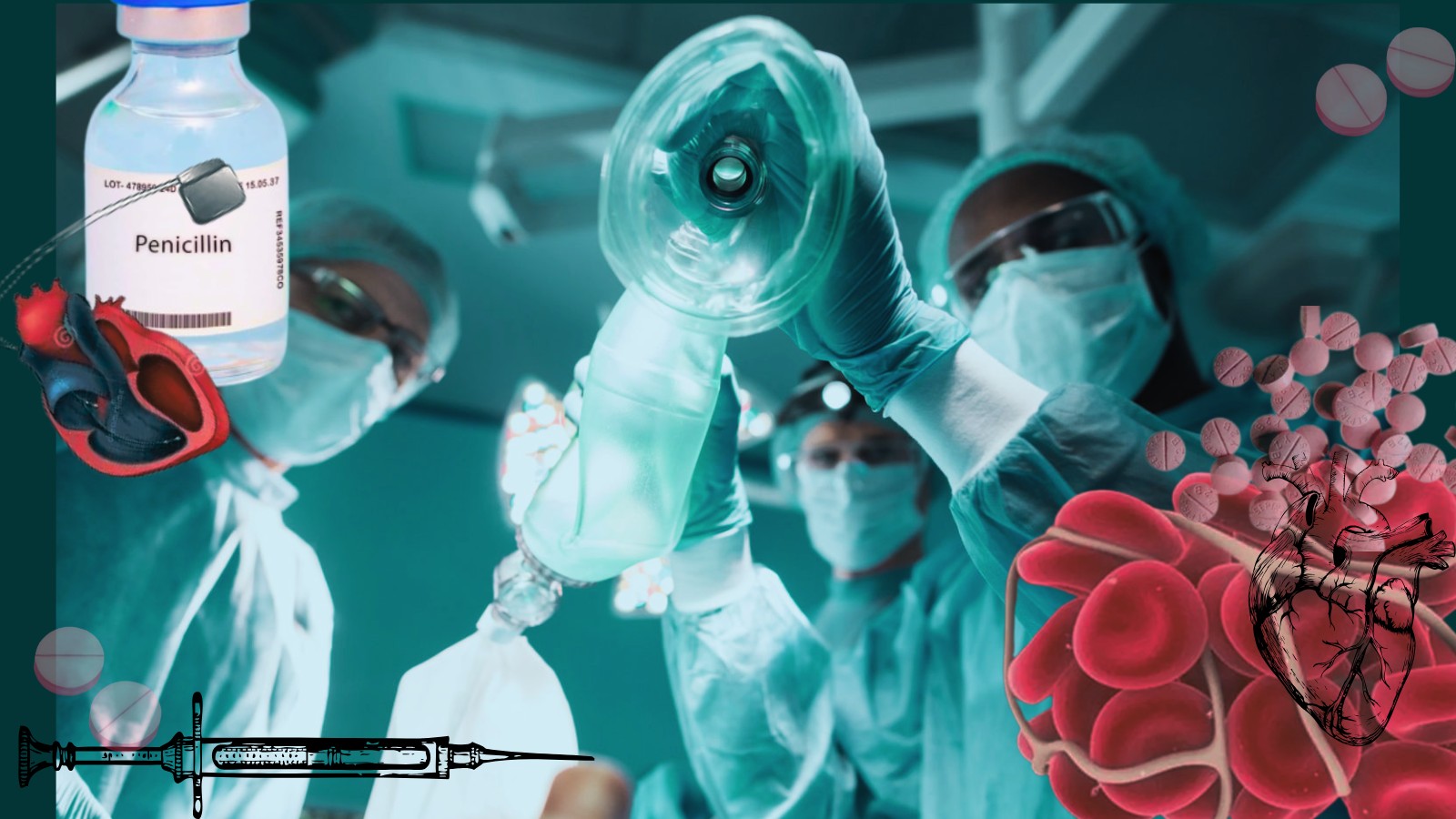
One of the most famous examples is penicillin. In 1928, Alexander Fleming noticed that a mold called Penicillium had grown in one of his Petri dishes and killed the bacteria around it. Although this happened by accident, Fleming understood its importance. This discovery later led to the development of antibiotics, which have saved millions of lives by treating bacterial infections.
Another important discovery is related to anticoagulants. Chemist Karl Paul Link began studying cases in which cattle were bleeding without an obvious reason after eating moldy clover. His research helped identify substances that prevent blood from clotting. Even though these substances were first used as rat poison, they were later adapted for medical use and are now essential in treating heart diseases and preventing strokes.
Some medical inventions were also the result of technical mistakes. The pacemaker is a good example. While early versions were created by Rune Elmqvist and Åke Senning, Wilson Greatbatch later improved the device after accidentally building an incorrect electrical circuit. He realized that the device could control heartbeats. In 1960, the first pacemaker was successfully implanted in a human patient, helping people with heart rhythm problems live longer lives.
Another major breakthrough in medicine was anesthesia. In the 19th century, Horace Wells observed that substances such as nitrous oxide and ether could reduce pain. Although his early attempts at painless dental procedures were not successful, the idea continued to develop. William Morton later proved that anesthesia worked, making modern surgery possible and greatly reducing pain during medical procedures.
These examples show that progress in medicine does not always come from perfect planning, but often from curiosity and the ability to learn from unexpected situations.
Stay Informed
Join our community of medical professionals and researchers. Get the latest insights delivered to your inbox.