Latest Research & News
Insights and findings from our medical research community.
During a class discussion regarding the contents of our 12th-grade biology subject, I found out that we are going to learn about Ecology and Genetics. Something that sparked my curiosity was that we will also be talking about the Human Genome Project, which made me want to look into this topic way before we study it at school and publish it in a far easier-to-understand article for high schoolers like me.The Human Genome Project, in short HGP, was a huge international scientific project that aimed to read and map the DNA contained in the human genome. Scientists wanted to understand how DNA influences the way the human body grows, functions, develops, and repairs itself.Starting in 1990 and being completed in 2003, scientists from all around the world collaborated to determine the sequence of the roughly 3 billion DNA bases in the human genome, identify many genes and their locations, and study how genes contribute to the way our cells function. They also wanted to understand how changes in DNA can be linked to certain diseases.Speaking of DNA, let's cover the introductory part first. DNA stands for Deoxyribonucleic Acid and is a macromolecule made of many smaller units called nucleotides. Each nucleotide is made of three components:- a nitrogenous base: A, T, C, or G- a sugar called deoxyribose- a phosphate groupDNA has two strands, each made of many nucleotides. Together, these strands resemble a twisted ladder, which gives DNA its famous shape: the double helix.The four DNA bases are Adenine (A), Thymine (T), Cytosine (C), and Guanine (G). These bases pair with each other in a specific way: Adenine pairs with Thymine, while Cytosine pairs with Guanine.This is called complementary base pairing. For example, if one strand contains the sequence:A – T – C – G – Athe complementary strand will be:T – A – G – C – TThis pairing is extremely important because it allows DNA to be copied when cells divide. Each strand can act as a template for creating a new complementary strand.Now that we understand the basics of DNA, what exactly is a genome?The genome is the complete set of genetic information found in an organism. In humans, it contains all of our DNA, including genes and other regions that help control how cells function.However, the human genome is not simply a giant instruction manual where every section has one obvious purpose. Some genes contain instructions for making proteins, while other genes help regulate the activity of other genes. There are also large regions of DNA that do not code for proteins and can have regulatory or other functions.This is one of the reasons why the Human Genome Project was such an important achievement. Scientists were not simply trying to "read" DNA. They were also creating a foundation for understanding what all this genetic information could mean.To understand the scale of the project, imagine having a book containing around 3 billion letters, except that the only letters available are A, T, C, and G. Now imagine having to determine their exact order and then figure out which sections contain important biological information.That was essentially the challenge scientists were facing.The Human Genome Project helped researchers create a reference sequence of the human genome and contributed to the development of technologies that made DNA sequencing faster and more affordable.So, what can all this information actually be used for?The genome information obtained through the project can help with:- understanding the genetic causes or contributions to some diseases- identifying genetic changes associated with certain medical conditions- developing and researching new medicines and treatments- studying why people can respond differently to certain medicines- learning more about human evolution and our relationship with other organismsOne particularly interesting example is the relationship between genetics and disease.Some diseases are strongly influenced by changes in a single gene, while others are much more complicated and involve many genes as well as environmental factors. This means that having a particular genetic variant does not always mean that someone will definitely develop a disease.Genetic information can also help explain why people respond differently to medicines. Two people can receive the same medication but react differently because their bodies process the medicine in different ways. Genetic differences can sometimes be one of the reasons for this.This is connected to the idea of personalized medicine, where information about an individual's genetics can potentially help healthcare providers select medications or dosages that are more suitable for that person. This field is also known as pharmacogenomics, which studies how a person's genes can affect their response to particular medicines. If you find this topic interesting, you can learn more about it in my colleague Amalia Dumenică's article, "Pharmacogenomics: Could Your DNA Tell Doctors Which Medication You Need? | Medical Minds"The Human Genome Project has also helped scientists study human evolution. By comparing DNA between humans and other organisms, researchers can investigate how species are related and how genetic changes have developed over time. In this way, DNA can act almost like a biological record of our evolutionary history.That is one of the reasons why the HGP is considered one of the world's major scientific achievements.Still, every area of medical research that analyzes the human body and its functions, whether at a microscopic or macroscopic level, comes with ethical concerns. In addition to my previous article, "Bioethics in the 21st Century: Challenges and Dilemmas | Medical Minds" it is important to recognize that genetic information is extremely personal.Our DNA can contain information about our health and characteristics, and some of this information can also be relevant to our biological relatives. Therefore, it raises many questions, such as: Who should be allowed to access someone's genetic information? Could genetic information affect someone's privacy or opportunities?These concerns were actually considered during the Human Genome Project itself. An entire program known as Ethical, Legal and Social Implications (ELSI) was created to study questions surrounding privacy, discrimination, genetic testing, and the wider social consequences of genomic research.For example, imagine that a genetic test shows that someone has a higher risk of developing a particular disease. Who should have access to that information? Should it only be available to the person and their doctor? What happens if genetic information is stored in a database or used for research?These questions show that scientific progress also comes with responsibility. Being able to read someone's genetic information does not automatically mean that we know how it should be used.As time passes, scientists will continue to study the genome. Genome sequencing has become far more accessible than it was when the project began, and new technologies continue to make it faster and more affordable. This could contribute to more personalized approaches to medicine and lead to new ways of preventing, diagnosing, and treating diseases.However, the Human Genome Project did not answer every question about human genetics. In many ways, it created new questions. Scientists still need to understand how genes interact with each other, how they interact with the environment, and why the same genetic change can affect different people in different ways.Taking everything into consideration, the Human Genome Project transformed our understanding of human DNA and created a foundation for modern genetic research. Its discoveries continue to play an important role in medicine, biology, and the study of human evolution.Even so, genetic information must be used with great care and responsibility. By learning to read the instructions written in our DNA, scientists opened a new chapter in biology and medicine — one that is still being written today.SourcesNational Human Genome Research Institute (NHGRI) — Human Genome ProjectMedlinePlus Genetics (NIH) — What is DNA?MedlinePlus Genetics (NIH) — What is a Gene?National Human Genome Research Institute (NHGRI) — Genomics Fact SheetsNational Human Genome Research Institute (NHGRI) — Ethical, Legal and Social Implications (ELSI)
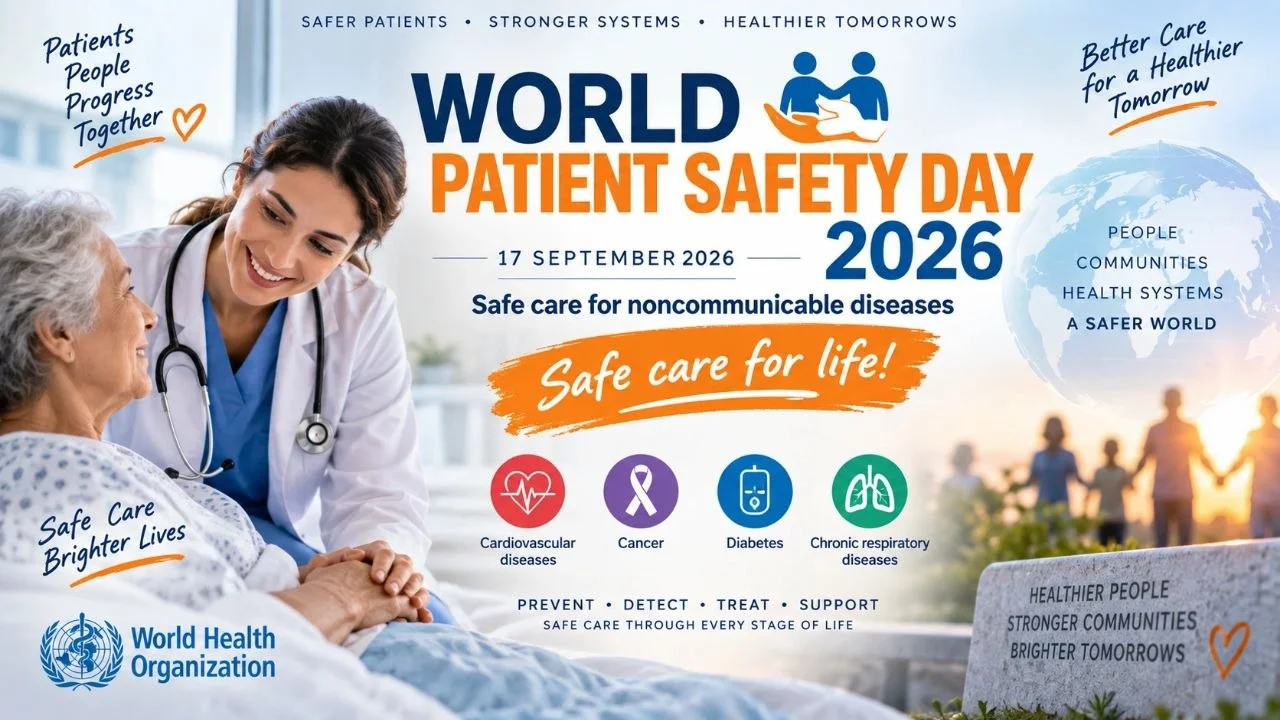
Every year, on 17 September, the world marks World Patient Safety Day — a day dedicated to raising awareness about one of the fundamental principles of healthcare: patients should receive care that is not only effective, but also safe.Established by the World Health Organization (WHO) in 2019, World Patient Safety Day brings together patients, families, healthcare professionals, healthcare organizations and communities around a common goal: reducing avoidable harm in healthcare.For 2026, the campaign focuses on a particularly important area of healthcare:“Safe care for noncommunicable diseases”with the slogan:“Safe care for life!”Why does patient safety matter?Healthcare involves complex processes, multiple professionals and, often, many different stages of care. Every step — from diagnosis and medication to treatment and follow-up — needs to be as safe as possible.According to WHO, approximately 1 in 10 patients experiences harm during healthcare, and around half of this harm is considered preventable.Patient safety therefore goes beyond preventing mistakes. It involves creating healthcare systems in which risks can be identified, communicated and addressed before they result in harm.It also means creating an environment where healthcare professionals can learn from incidents and near misses rather than simply assigning blame.This year's focus: noncommunicable diseasesNoncommunicable diseases, or NCDs, include conditions such as cardiovascular diseases, cancer, diabetes and chronic respiratory diseases.Unlike many acute illnesses, NCDs often require care over long periods of time. A patient may interact with healthcare professionals repeatedly — during screening, diagnosis, treatment, monitoring, rehabilitation and long-term management.This continued interaction creates multiple opportunities for safety risks to appear.For example, patients may receive care from different healthcare professionals or across different healthcare settings. If information is not communicated effectively, important details about a patient's treatment or medical history can be missed.Medication safety is another important concern, particularly when patients take several medicines over long periods.For this reason, patient safety cannot be considered only at the moment of treatment. It must be maintained throughout the entire healthcare journey.What can make healthcare safer?Improving patient safety requires action at several levels.1. Safer diagnosisAccurate and timely diagnosis is essential for appropriate treatment. Delays, communication problems or incomplete information can contribute to avoidable harm.Healthcare professionals need access to accurate patient information, appropriate diagnostic tools and effective communication between different members of the healthcare team.2. Medication safetyMedication errors can occur at different stages, including prescribing, dispensing, administering or taking medicines.Clear communication, accurate medication records and patient education can help reduce these risks.Patients also have an important role: understanding what medicines they are taking, why they are taking them and how they should be used can contribute to safer care.3. Continuity of carePeople living with chronic conditions may receive care from multiple professionals and institutions.A well-coordinated healthcare system helps ensure that important information follows the patient throughout their care journey.4. Patient involvementOne of the central messages of this year's campaign is that people living with NCDs should not be viewed only as recipients of healthcare.They should also be partners in their own care.Patients can contribute to their safety by asking questions, communicating concerns, understanding their treatment and sharing relevant information with healthcare professionals.At the same time, healthcare systems should listen to patients and incorporate their experiences when improving services.Patient safety is a team effortSafe healthcare cannot depend on one person alone.Doctors, nurses, pharmacists, laboratory professionals, technicians, therapists, healthcare administrators, patients and families all have a role to play.A strong culture of patient safety encourages healthcare workers to communicate openly, report incidents and near misses, and use these experiences to improve future care.WHO also emphasizes the importance of strong, integrated health systems and a supported healthcare workforce in delivering safe care for people living with NCDs.“Safe care for life”The message behind World Patient Safety Day 2026 extends beyond hospitals.For people living with chronic diseases, safety matters at every stage — from prevention and early detection to diagnosis, treatment, rehabilitation and long-term management.It also matters outside traditional healthcare settings, including at home and within the community.The goal is not simply to provide healthcare, but to create systems in which people can receive the care they need without avoidable harm.This World Patient Safety Day, the message is simple:Safe care is everyone's responsibility.Whether we are healthcare professionals, patients, students, caregivers or members of our communities, understanding patient safety is an important step toward creating a healthcare system that is safer, more coordinated and more centered around the people it serves. Safe care for life.
· Introduction The ocean covers 71% of the planet’s surface with a huge mass of water that hides the most ancient and fabulous creatures ever exist. But the ocean is not only that. It is a vital sourse of energy, food and health for humanity, no matter how far we are from its shores. Our lives are closely linked to the state of the ocean. Healthy waters and biodiversity can offer critical benefits to all people, such as new medicines, technologies, nutritious and sustainable diets and opportunities to bolster physical and mental wellbeing.· Carbon dioxide emissions It is one of the biggest problem in our days, all because of the human activities, like burning fossil fuels in special centrals to create energy for transport, electricity, heat etc. According to NOAA GML (Mauna Loa Observatory), the global level of CO2 from atmosphere has reached to 427ppm in 2026, with 186.5% more than in the pre-industrial era (1850-1900), which had a score of 229ppm. But thanks to the ocean’s power of capturing this gas from the atmosphere through certain natural wonders, the CO2 level is partially stabilized. From a medical point of view, the researches show that the exposure to environmentally relevant elevations in ambient CO2 (even if it doesn’t feel like it) can cause inflammation, reductions in higher-level cognitive abilities, bone demineralization, kidney calcification, oxidative stress and endothelial dysfunction. The human cells produce continuously CO2 as a waste product of metabolism. The blood carries it to the lungs, where it is exhaled. This process is tightly linked to the blood’s acid-base balance: CO2 combines with water in blood to form H2CO3, which splits into HCO3 and H2 ions. The body uses this reaction as a buffer system, keeping blood pH in a narrow range. When a human breath air with elevated CO2 level, this system gets pushed off balance, its blood becomes more acidic, and its breathing rate increases as the body tries to compensate. In addition, the most conspicuous effect of moderately elevated CO2 is what it does to human ability to think, cognitive performance. In a controlled study from Harvard’s T.H. Chan School of Public Health, cognitive function scores decreased 15% when CO2 was around 945 parts per million (ppm) and 50% at approximately 1,400 ppm, compared to well-ventilated conditions. On average, every 400 ppm increase in CO2 was associated with a 21% decrease in cognitive scores across all domains tested. Everything it has been written up to now sounded awful. But all the numbers and data are kept under control by the ocean wonders. As the fossil fuels are burnt and atmospheric carbon dioxide levels go up, the ocean absorbs more CO2 to stay in balance. It is the planet’s second-largest carbon sink after the Earth’s rocky shell (sedimentary rocks on land and the sea floor) and contains around 40,000 billion tons of carbon, the greatest share of which is dissolved in seawater. The physical carbon pump process consists in the absorption of the gas by surface waters. However, the water must cool down, because the low temperature is an important factor in the dilution of CO2.The cooled and salty mass of water, full with carbon sinks to the greater depths, as it become denser and heavier. This process is frequent in Arctic and Antarctic regions, where the conditions are favorable for this phenomenon. The organic biological carbon pump involves more marine plants and animals which absorb carbon dioxide in different ways, helping our planet to survive from human’s negligence:1. Phytoplankton and the marine food web Phytoplankton is a group of organism which drifts with the ocean currents and provides its nutrition by photosynthesis. They are vital for the global carbon cycle, especially diatoms, single celled organisms which store for up to 20% of the Earth’s CO2 gases. In plants and algae, photosynthesis occurs in chloroplasts where the energy from sunlight is taken by thylakoid membranes and then used to help the enzyme Rubisco to fix CO2. But, algae have an advantage: they store all their Rubisco into small compartments called pyrenoids, where CO2 can be captured more efficiently. “We have now discovered that diatom pyrenoids are encased in a lattice-like protein shell,” says Dr. Manon Demulder, author on two studies about diatoms. “The PyShell not only gives the pyrenoid its shape, but it helps create a high CO2 concentration in this compartment. This enables Rubisco to efficiently fix CO2 from the ocean and convert it into nutrients.” When it dies, phytoplankton sinks into depths, keeping the carbon isolated from our living space. However, being almost imperceptible by our sight and having a very small mass, it might take two weeks or even months to reach the seafloor. That is why other animals speed up this process. Phytoplankton is a very important source of food for zooplankton (heterotrophic plankton) and krill (tiny crustaceans). They are eaten by filter-feeders whales and sharks, but also fish, squids, seals or seabirds. The food web continues (for example, the fish and squid are devoured by bigger and ferocious animals and so on) until a living being dies and immerses, faster than phytoplankton, with all the CO2 captured in its bones or hard shell. Another related phenomenon of carbon sequestration is transporting it by fecal pellets. The CO2 trapped in the animal’s body is excreted and becomes one with the sand of the great depths. The falling particles from death organisms or beings and fecal pellets are known as marine snow.2. Algae Algae play a uniquely important role in absorbing carbon dioxide from the atmosphere because of their high photosynthetic efficiency and rapid growth rates. Uptake of CO2 by algae is nearly twice of the weight of them, which is 10–50 times higher than that of absorption technologies (Wilberforce et al., 2019; Gong and You, 2015). They thrive in a great measure via photosynthesis by converting CO2 and/ or bicarbonate into O2 and carbon-containing products. Algae absorb CO2 primarily through diffusion across their cell membranes. Because algae often live in aquatic or humid environments, dissolved CO₂ or HCO3 ions move easily into the cell, where they are used during photosynthesis. CO2 penetrate into algal cells from the surrounding air or water and pigments, such as chlorophyll, capture light energy, starting the photosynthesis process. Then, with the help of enzymes, the algae transform CO2 into organic carbon compounds. By the time the carbon is fixed, it becomes part of algal biomass, supporting growth and reproduction. Finally, O2 is released as a byproduct of water splitting during the light-dependent reactions.3. Mangrove forests. Mangroves are salt-tolerant trees which distribute their weight over a wide area with stilt-like roots or buttress roots that cover the nearby surfaces. They thrive along tidal estuaries, in salt marshes and on muddy saline or brackish coasts. Their role in carbon capture has a huge global importance. One hectare of mangrove stores approximatively 907 tons of CO2. If it is compared, boreal forests deposit 350 tons of carbon per hectare, temperate forests 340 tons per hectare and mountain tropical forests less than 300 tons per hectare. Like in any other forest, CO2 is absorbed through leaves, consumed and deposited in the growing wood and the remaining oxygen is then released. When they die, the plants sequester the carbon in the low oxygen soil.· But still: the impact of human disharmony with the ocean Carbon dioxide is one of the major pollutant released in the atmosphere. Even though the ocean’s waters dissolve the CO2, remaining less greenhouse gas in air, it lowers its pH, making the water more acidic. In consequence, it reduces the amount of carbonate ions which are truly important for shellfish, like crustaceans and scallops, more precisely for their normal way of protecting themselves. Shells are made out of calcium carbonate (CaCO3) and when carbon, the raw material, is in excess, they are starting to dissolve in water. Sensitive species may lose their armor, thus causing exposure to the dangers of the wilderness or even death. Another consequence of the ocean acidification is seen on larvae. Having complex lifecycles, many fish and invertebrates in larvae stages will not develop properly when acidity is increased. They also lose their ability to smell, being not capable anymore to avoid predators. These living beings have less chance of reaching sexual maturity for reproduction.· Conclusion As global carbon emissions continue to rise, biological carbon absorption processes are gaining renewed attention. Both human organism and the ocean are affected by a gas which we are producing by different uncontrolled and immoderate activities. The immense mass of water that surrounds and animates the Earth is already involved in saving the planet through various mechanisms, both physical and biological. However, the ocean cannot withstand change or fight alone, because it begins to slowly destroy itself, through acidification or changing temperatures, which brings dramatic consequences to the entire marine ecosystem. The sea helps the human beings, so people need to help it too, forasmuch if the ocean dies, we will die likewise. Human body is tight connected with the state of the Earth, providing us breathable air, food and freedom. How can people start protecting the Blue planet? By reducing CO2 in the air, minimizing the effort made by ocean to adapt to new unfavorable conditions.· ReferencesCarbon dioxide as a pollutant: the risks on human health and the stability of the biosphere - ScienceDirectCarbon Dioxide Effects on Humans and the Environment - ScienceInsightshttps://worldoceanreview.com/en/wor-8/the-role-of-the-ocean-in-the-global-carbon-cyclee/how-the-ocean-absorbs-carbon-dioxide/Carbon capture and utilization by algae with high concentration CO2 or bicarbonate as carbon source - ScienceDirectCarbon Dioxide Effects on Humans and the Environment - ScienceInsightshttps://carbelim.io/how-algae-absorb-carbon-dioxide-through-photosynthesis/
Imagine two patients with the same illness receiving the same medication. One improves quickly, while the other experiences unpleasant side effects or barely responds at all. Why can the same drug affect people so differently?Part of the answer may be hidden in our DNA. Pharmacogenomics is the study of how a person’s genetic differences influence their response to medications. Instead of using a “one-size-fits-all” approach, pharmacogenomics aims to help doctors choose medications and doses that are more likely to work safely for an individual patient.Why don’t medicines work the same way for everyone?When you take a medication, your body has to absorb, break down and eventually remove it. These processes are influenced by many factors, including age, diet, other medications and liver or kidney function. Genetics can also play an important role. Small differences in DNA can affect proteins involved in drug metabolism, transport and drug targets. For example, some people may break down a particular medication much faster than average. The drug may therefore be removed from their body before it has enough time to work. Others may break it down more slowly, potentially causing the medication to remain in the body for longer.One well-known example involves enzymes from the cytochrome P450 family. These enzymes help the body metabolise many medications. Variations in genes that code for these enzymes can cause people to metabolise certain drugs at different rates.Cytochrome P450 - the superfamily of enzymesFrom DNA to treatmentPharmacogenomics generally follows a simple idea:DNA → protein function → drug response → treatment decisionA doctor may order a genetic test to identify particular variants that are known to influence how a patient responds to a medication. The result can then help inform the choice of drug or dose.For example, variations in the CYP2C19 gene can influence how people process the antiplatelet drug clopidogrel. Some patients have genetic variants that reduce their ability to convert clopidogrel into its active form. In these cases, the medication may not work as effectively, potentially increasing the risk of complications.Another example involves the TPMT and NUDT15 genes. Variations in these genes can increase the risk of serious toxicity from certain thiopurine medications, which are used in conditions including some cancers and inflammatory diseases. Genetic information can help doctors determine whether a lower dose or an alternative treatment may be more appropriate.Is pharmacogenomics the future of personalised medicine?Pharmacogenomics is already being used in clinical medicine, although its application varies depending on the medication, healthcare system and available genetic testing. Its potential is particularly exciting because adverse drug reactions are an important medical problem. If doctors can identify patients who are more likely to experience serious side effects before treatment begins, they may be able to prevent some of these reactions.Pharmacogenomics could also reduce the time spent trying different medications. Instead of prescribing one drug, waiting to see whether it works and then switching if necessary, genetic information could sometimes provide an additional clue about which treatment is more suitable from the beginning.However, DNA cannot tell doctors everything.A person’s genetic profile is only one factor influencing their response to medication. Lifestyle, environmental factors, other illnesses, interactions between medications, and even changes in the gut microbiome can also affect treatment outcomes. Most importantly, not every medication has a clinically useful pharmacogenomic test.What are the challenges?One major challenge is interpreting genetic information correctly. Finding a genetic variant does not automatically mean that a particular treatment will or will not work. Scientists need strong clinical evidence showing that a genetic difference actually affects treatment outcomes.There are also questions surrounding privacy and ethics. Genetic information is highly personal, so patients need to understand how their data is collected, stored and used. Healthcare systems must ensure that genetic testing does not lead to discrimination or unnecessary testing.Another challenge is accessibility. Advanced genetic testing may not be equally available to everyone. If pharmacogenomics becomes increasingly important in medicine, ensuring that its benefits are accessible across different populations and healthcare systems will be essential.So, could your DNA tell doctors which medication you need?Sometimes, but not yet with complete certainty.Pharmacogenomics is moving medicine away from the idea that the same treatment should work equally well for everyone. By combining genetic information with a patient’s medical history and other characteristics, doctors may be able to make increasingly personalised treatment decisions.The goal isn’t to replace doctors with genetic tests. Instead, pharmacogenomics could give doctors another powerful piece of information when deciding which medication is most appropriate.In the future, a routine genetic profile might help guide decisions about certain medications before a patient even takes their first dose. The idea is simple but potentially transformative: the right drug, for the right patient, at the right dose, at the right time.
If we take a look at the medical knowledge accumulated over the past two centuries and then associate them with our doctors and medical professionals, it may seem impossible to even comprehend the answer “I don’t know.” as a result to our condition. The very treatment written down by the medic himself is a unique type of relief – the assurance that whatever you may be suffering from is getting good taking care of. That is, of course, until the doctors don’t have an answer. And not just a few professionals – dozens, hundreds, maybe even thousands from around the world. That’s when things get out of control, and disturbing outcomes often arise. Recorded history was keen enough, however, to never forget the phenomena that simply never received a clear answer. These are the stories that haunted the medical world for years upon end and that continue to also represent a “second phenomenon” these days – not a medical one, but a social one. As we may come to realize, after telling the stories over and over and over again, until they finally reached these pages, we finally understand that one subject can never receive too much attention… 1. The case of Gloria RamirezNicknamed “The toxic lady”, by the media, Gloria Ramirez’s case has become and is currently believed to be one of the strangest phenomenas in recorded medical history. It all started on February 19, 1994, when 31 year old Gloria Ramirez was taken to the hospital, because of breathing difficulties and an irregular heartbeat. The woman had been feeling nauseous and suffered from vomiting in the previous days and was also diagnosed with terminal cervical cancer. After arriving at the hospital in a semiconscious state, her condition got worse, which resulted in the need of getting a cardiopulmonary resuscitation. The staff mentioned that she had vomited after intubation. The strange side of the case became noticed when staff mentioned an oily, shimmering sheen on her body, as well as an ammonia-like odor coming from the patient. Other members of the staff reported a garlic-like smell emitted from her mouth. The situation escalated after a nurse draw blood from the woman and noticed white-colored crystals in the liquid. Soon after, the nurse fainted, and the physician that took her place did as well, while also having convulsions. In the following minutes, more and more members of the medical staff started becoming ill, with symptoms including dizziness, headaches, respiratory irritation, tearing, nausea, and vomiting. People were soon evacuated, while HAZMAT suits were offered to the staff that assisted Gloria. 35 minutes after her arrival, the patient was announced dead. 23 members of the staff fell ill while examining her, and 6 even needed hospitalization.What haunted the medical experts is how could a person possibly hold a poison so strong that if affected so many people. After all, no toxin or vapor was identified, neither in the patient’s body, nor in the hospital room. Eventually, Gloria’s death was listed as dysrhythmia due to renal failure. Initially, one theory proposed was that the chain reaction of the illness was caused by nothing more than mass hysteria, triggered by the coincidental fainting of the original nurse. However, this theory was excluded by a lot of people, given the severity of the symptoms of some of the patients.When biological material was sent to the Forensic Science Center at Lawrence Livermore National Laboratory in California though, a more accepted theory was elaborated, which may answer what exactly happened on that day. The researchers found a substance called dimethyl sulfone (DMSO2) in the patient’s blood and bile samples. This is a breakdown product of dimethyl sulfoxide (DMSO), a substance derived from wood pulp and used in pain killer medication, including for cancer. However, given this substance is excreted by kidneys, and that Gloria suffered from renal failure, the substance should have been accumulated in her body. The only clue specialists have regarding consumption of dimethyl sulfoxide (DMSO) is the discovery of dimethyl sulfone (DMSO2). This would also explain the crystals found in her blood, as this substance was proven to crystallize at the internal temperature of the human body. It is also important to notice that another breakdown product of DMSO, called dimethyl sulfide ((CH3)2S), emits a garlic-like odor, which may be what the staff has smelt.The process that sickened the staff member, however, is explained by a more obscure and complicated phenomenon. The researchers explained how during the process in which Gloria was resuscitated, the extra oxygen pumped into her body might have combined with the dimethyl sulfone (DMSO2), resulting in a new compound called dimethyl sulfate (DMSO4). This compound is extremely toxic if inhaled or absorbed through skin and its effects on the human body include dizziness, prostration, headache, convulsions, coma, pulmonary irritation, lung injury, and slow heart rate (which is called bradycardia). These are the exact symptoms recorded by the affected staff.To this day, however, nobody can really explain what happened to Gloria Ramirez, as the investigation only resulted in a theory, making it one of the most disturbing cases that medical specialists ever had to deal with. 2. The case of TarrareTarrare was a French spy and showman who lived in the 18th century, that baffled doctors and medical professionals from his era due to his extreme unknown condition, which gave him an unnatural appetite for food. Tarrare was said to eat giant portions of food – sometimes as much as four men, yet his hunger never stopped, and despite the copious amount of calories he consumed daily, he always looked tired and malnourished. Today, we know that this condition is called polyphagia and that it represents an eating disorder, however, Tarrare was not made famous by the symptoms of the condition alone, but by the uncanny characteristics of both his aspect and mentality.Tarrare’s body could stretch in strange ways, and people described that his belly became extremely swollen because of the quantity of food consumes. His jaw was also incredibly flexible, allowing him to swallow and hold giant portions. It was also recorded that his body smelled disgusting, some claiming his horrible smell could be detected from great distances away.Records report him consuming even inedible objects, such as corks, stones and even a pocket watch. During his grotesque shows he would even eat raw animals while still alive, such as dogs, cats and even eels. Although just disturbing at first, the situation legally escalated when he was caught eating human flesh from cadavers at morgues. And at the time he became notorious for his acts, Tarrare was even rumored to have eaten a 14 month old baby, that disappeared, however, this was never confirmed, and Tarrare was never charged for any crime, even though he was fired from the army.When he died from tuberculosis, in 1798, doctors had the opportunity to finally make his autopsy. What they found inside horrified them: his intestines, liver and internal organs were putrid and rotten. His stomach was disturbingly enlarged, covering almost the entire insides of the abdomen, which made the doctors realize that the condition was almost dictated from his own body, given his internal adaptations to his peculiar diet. And if the smell emitting from his skin was bad, the one from inside was described as unbearable – so unbearable, in fact, that the autopsy had to be stopped, as the medical professionals became sick.Although Tarrare is mostly remembered as a creepy and obscure personality, tied to unnatural and disturbing eating habits, he stands as having one of the most interesting physiognomies ever recorded in medical history and a body that continues to shock doctors to this day. 3. The case of the Encephalitis lethargica epidemicEncephalitis lethargica is the name of a strange disease that ravaged the whole globe from 1915 to 1931, and was recorded in the medical history as one of the weirdest conditions to ever manifest.The disease itself was sudden, and many times appeared on people who previously had flu-like conditions, such as fevers and sore throats and manifested as a hypersomnolence (a state of profound sleepiness, where patients are hard to be kept awake, often found in statue-like conditions). Other symptoms include post-encephalitic parkinsonism (in which the patient experiences slow movement or severe muscle rigidity), as well as radical psychiatric and behavioral changes. These were also visible in patients that survived and recovered.With a high mortality rate of about 20-40% and more than 1 million people affected, reports indicate up to 500 000 global deaths, as well as thousands more that suffered permanent medical issues after their recovery.The strange part of this condition, however, isn’t based only on its effect, but also on the randomness of its appearance. The first cases ever recorded started appearing in 1915-1916, and in 1930-1931, the condition vanished just as sudden as it started, with only exceptional cases being discovered ever since (80 confirmed cases in the last 85 years).What puzzles medical experts to this day, is what exactly caused it. After all, how can a disease just start manifesting to the scale of a pandemic, and then vanish by itself? There were proposed links to the influenza pandemic from 1918, streptococcus or enterovirus based conditions, that may have damaged the basal ganglia. Today, the most commonly accepted possibility is that the disease was caused by an autoimmune reaction, however, this remains a simple theory, and no clear answer has been revealed to this day, making this bizarre event remembered as one of the strangest medical mysteries ever recorded. 4. The case of the dancing plague of 1518The dancing plague of 1518 was not the first event of its kind, but it’s definitely the one that received the most attention, due to a lot of documentation regarding it. As the name suggests, the “plague” was some sort of condition that made the ones affected dance uncontrollably, and while this strange phenomenon was used to be viewed mostly from a historical perspective, medically it quickly starts raising a lot of questions.The incident happened in Strasbourg, in July 1518, when a woman called Mrs. Troffea stepped into the street and started dancing uncontrollably, almost like something possessed her. In the following period, more and more people joined her, resulting in about 30 in a week and up to 400 in total. These people would then just dance until they collapsed from exhaustion, extreme foot pain, heart attacks and strokes.The immediate response from the church and medical specialists was to encourage the people to keep on dancing, believing they would stop eventually, however, this created even more harm, with more and more people joining. Originally it was believed that this was a religious manifestation, with the victims being possessed, although doctors did mention rising blood temperature as a probable cause, but it was not accepted.Fast forward to the 20th century, a new theory claimed that the locals might have eaten bread made from rye infected with fungal disease ergot, which is known to cause convulsions. However, it is strange how their only appearing symptom was their random, unstoppable dance. If the poisoning theory was true, then other toxicity effects would have been visible.What is interesting is that the latest and most modern theory explained how the whole “epidemic” might just have been mass hysteria. It is commonly known that at that time peasants had to live in a dirty environment, where famine, hunger, disease and poverty were daily issues that the population had to deal with. Some medical experts claim that living in such conditions could create subconscious fears that might one day manifest in bizarre ways (in this case dancing), if triggered by someone first (the original lady’s dance). Then, the whole process becomes a giant chain reaction, giving the illusion of an epidemic. And while this theory still isn’t certified by any means, it is our most solid clue regarding what truly happened during one of the most disturbing documented historical events.5. The case of Fatal Familial InsomniaFatal Familial Insomnia, or FFI as it’s commonly called, is the name of an extremely dangerous and mysterious disease that continues to baffle medical experts to this day.On the first hand, FFI is extremely rare, with a rate of appearance of approximately 1-2 cases per 1 million people. On the other hand, despite there being only severely limited documented cases, it was proven that its mortality rate is in fact, 100%, meaning that nobody has survived it in history.Unlike most degenerative neurological conditions, FFI is not caused by trauma or infections with parasites, but rather genetical issues regarding prions, specifically the PRNP (prion protein) gene, which can suffer an autosomal dominant mutation, that can also be transmitted to children, affecting essentially multiple generations. A non inheritable version of the condition called sporadic fatal insomnia (sFI) also exists, although it is much rarer, and behaves differently.When it comes to the effects, the disturbing part of the condition can be seen, as abnormal prions form in the thalamus, that destroy nerve cells. Conditions that follow include dementia, hallucinations, high blood pressure and anxiety, as well as muscle spasms. However, the most notable symptom is the classic insomnia that becomes worse and worse, until patients die, after about 7 to 18 months. By this time, patients can reach a point where they cannot sleep anymore at all.The mysteries, however, that this disease raise are the ones that make the condition so interesting to specialists, as they realize how little is known about it in the first place. First of all, the fact that no treatment was discovered. And this actually has to do with prions. Because prions are non living protein particles, there is no cure for stopping them like in the case of a virus or bacteria. This is why prion related degenerative conditions are the deadliest types of disease in the world. FFI is one of them, but the most well-known one is by far Mad cow’s disease, which also involves prions. The issue here relies on the fact that scientists cannot figure out what is the biological purpose of prion proteins, that are made normally inside the body. The second mystery regarding the disease is how do the people die exactly. Does the lack of sleep finally shuts off the body, or the neurological trauma that affects the brain in parallel? One thing that locks scientists out of a reasonable answer is that the function of sleep, in general, is also pretty mysterious on its own. Thirdly, the fact that sleep medication completely fails and even backfires only makes the condition stranger. Normally, when a patient suffers from insomnia, they can receive special treatments that chemically “shuts off” the brain, putting them to sleep. The fact that this type of medication becomes useless is the proof that the prion deregulation does something even darker: it makes the thalamus unable to generate the sleep response no more, meaning that not even a chemical switch can shut it off. And finally, and probably the most bizarre out of all, is when the disease manifests. It can appear from a very young age, about 20 years old, all the way to 70 years old, but most cases arise between 40 and 50 years of age. Once again, medical experts have no clue to why this might be happening. As bizarre as it seems, it looks like the condition genetically exists in the body from birth, but only manifests at a very mature age, which is again, unexplainable.In conclusion, fatal familial insomnia continues to remain one of the most notorious conditions in the medical world, as it continues to raise more questions than answers. Sources: https://en.wikipedia.org/wiki/Fatal_insomnia https://www.medlink.com/articles/fatal-familial-insomnia https://www.ncbi.nlm.nih.gov/books/NBK482208/ https://my.clevelandclinic.org/health/diseases/25001-fatal-familial-insomnia https://www.britannica.com/event/dancing-plague-of-1518 https://en.wikipedia.org/wiki/Dancing_plague_of_1518 https://publicdomainreview.org/essay/the-dancing-plague-of-1518/ https://pmc.ncbi.nlm.nih.gov/articles/PMC2883045/ https://asm.org/articles/2025/december/encephalitis-lethargica-a-mysterious-neurological https://en.wikipedia.org/wiki/Encephalitis_lethargica https://allthatsinteresting.com/tarrare https://en.wikipedia.org/wiki/Tarrare https://en.wikipedia.org/wiki/Death_of_Gloria_Ramirez https://www.discovermagazine.com/analysis-of-a-toxic-death-14125 https://pubmed.ncbi.nlm.nih.gov/9248041/
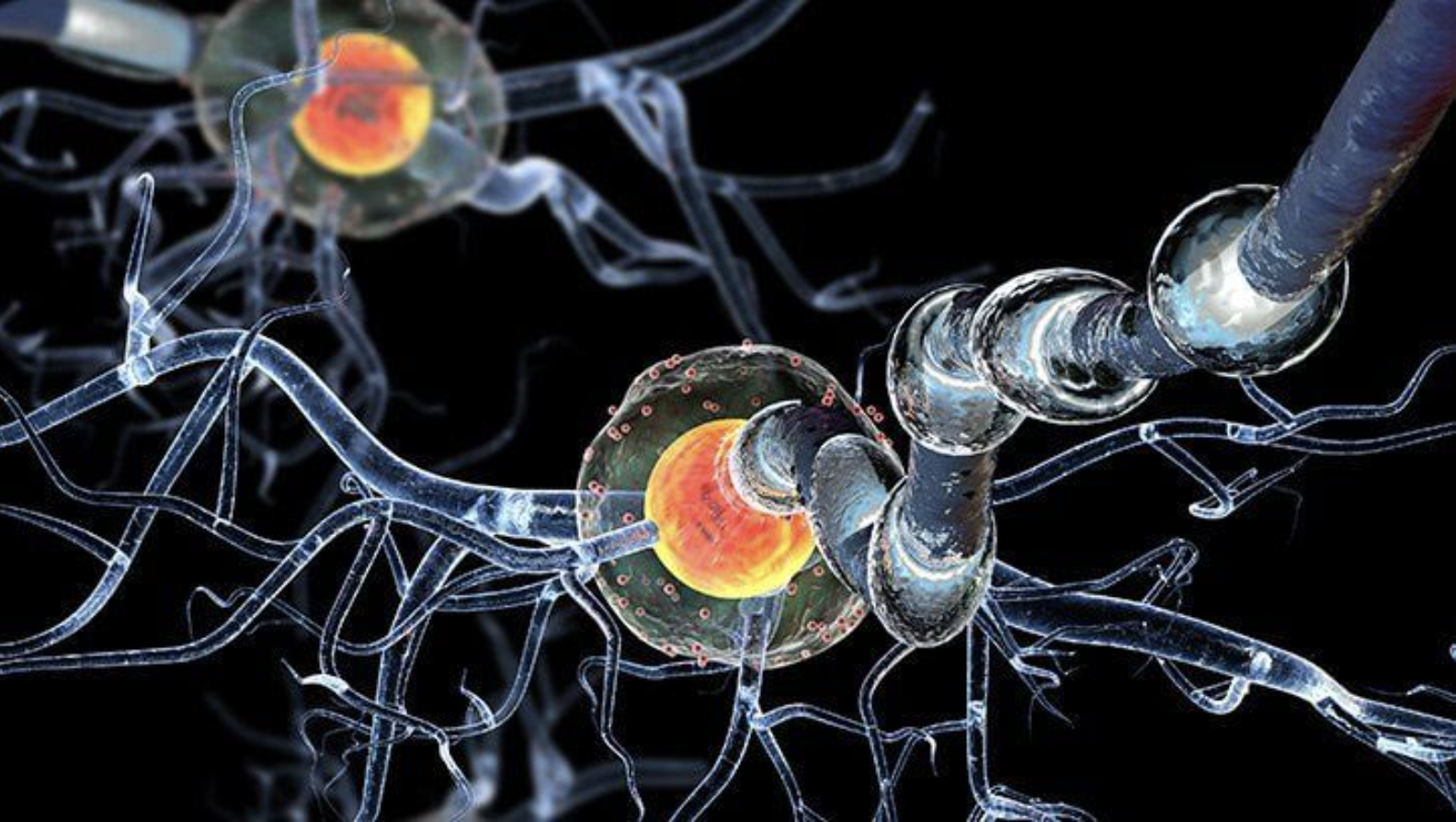
Your immune system spends its entire life making one incredibly important distinction: what belongs to me and what doesn’t?Every second, immune cells encounter proteins, cells, bacteria, viruses, and fragments of damaged tissue. Most of the time, the system makes the correct decision almost effortlessly. This is called immune tolerance: the ability to recognise the body’s own components as “self” and avoid attacking it. But the autoimmune disease begins when this system breaks down.The immune system doesn’t suddenly become evil. It doesn’t consciously decide to attack its host. Instead, something goes wrong in the biological mechanisms that normally prevent self-reactive immune cells from causing damage. The result can be devastating: the body’s defence system becomes a source of disease.Teaching immune cells what “self” meansBefore the T-cells become fully functional, they undergo an “educational” process inside the thymus. How it works is that immature T-cells are exposed to thousands of self-antigens. If a T-cell reacts too strongly to one of them, it can be eliminated through negative selection. One of the molecules making this possible is the transcription factor AIRE (autoimmune regulator). This allows specialised thymus cells to express proteins that normally belong to other organs.Think of it like training.A developing T-cell might never physically encounter a pancreatic protein while inside the thymus. AIRE helps bring that information into the training environment. B cells undergo their own tolerance mechanisms in the bone marrow. But this process is not perfect. Some self-reactive lymphocytes escape. And that is where the immune system’s second line of defence begins.2. Peripheral Tolerance — The Immune System’s BrakesNot every autoreactive lymphocyte can be eliminated during development. So the body has several mechanisms for controlling them after they enter the circulation. These include:-Anergy: the lymphocyte becomes functionally inactive.- Deletion: potentially dangerous cells are eliminated.- Regulatory T cells (Tregs): specialised CD4⁺ T cells suppress excessive or autoreactive immune responses.- Inhibitory receptors: molecules such as CTLA-4 and PD-1 act as molecular brakes on T-cell activation.Together, these mechanisms create a remarkably sophisticated safety system.The immune system therefore isn’t simply an army. It is an army with rules of engagement. Autoimmune disease can develop when those rules fail.3. The Tolerance Breaks.Unfortunately, there is rarely one single cause. Autoimmune diseases usually arise from interactions among genetics, environment, and immune regulation.→ Certain genetic variants increase susceptibility to autoimmune diseases.The HLA system is particularly important because HLA (Human Leukocyte Antigen) molecules present peptide fragments to T cells and therefore influence which antigens the immune system “sees.”Different HLA variants are associated with different autoimmune diseases.For example:→ Type 1 diabetes is caused by HLA-DQ and HLA-DR variants→ Rheumatoid arthritis is effected by HLA-DRB1 variants→ Celiac disease is caused due to HLA-DQ2 / HLA-DQ8→ Multiple sclerosis is triggered by HLA-DRB1*15:01But genetics is not everything, because if it were, identical twins would always develop the same autoimmune diseases. They don’t; something else has to influence the immune system.→ The environment also plays a very present role.Potential environmental influences include:- infections- smoking- ultraviolet radiation- certain medications- hormonal factors- tissue injury- changes in the gut microbiomeOne particularly interesting mechanism is molecular mimicry. Imagine that a viral protein happens to resemble one of your own proteins. The immune system develops T-cells and antibodies against the virus. The infection disappears. But some of those immune responses may cross-react with the similar-looking human protein. The immune system has identified the correct enemy, but the wrong target.Another mechanism is bystander activation. During a strong infection, inflammatory cytokines activate many immune pathways simultaneously. Autoreactive lymphocytes that were previously kept under control may become activated in this inflammatory environment. Tissue damage can add another layer. When cells are damaged, intracellular molecules that are normally hidden from the immune system can become exposed.The result can be a chain reaction: infection or injury → inflammation → immune activation → tissue damage → more immune activation.4. The immune system doesn’t cause just one disease.Autoimmunity is not a single condition; It is an entire family of diseases.In type 1 diabetes, immune-mediated destruction of pancreatic β-cells reduces insulin production.In multiple sclerosis, immune-mediated inflammation contributes to damage within the central nervous system, including myelin and axons.In rheumatoid arthritis, chronic inflammation attacks the synovium surrounding joints.In systemic lupus erythematosus (SLE), abnormal immune responses can affect multiple organs, including the skin, kidneys, joints and nervous system.The clinical manifestations may be completely different. But underneath them is a shared concept: a failure of immune tolerance.The B Cell Problem: When Antibodies Turn Against YouB cells are famous for producing antibodies. Normally, antibodies are incredibly useful. They recognize pathogens and help the immune system eliminate them, but in autoimmune disease, B cells can produce autoantibodies; antibodies directed against the body’s own molecules. In SLE, for example, antibodies can recognize nuclear components. These autoantibodies can form immune complexes. When immune complexes deposit in tissues, they can activate complement and recruit inflammatory cells, contributing to tissue injury.But B cells do more than produce antibodies.They can also:- present antigens to T cells,- produce cytokines,- organise immune responses,- and help maintain populations of autoreactive immune cells.This explains why targeting B cells has become such an important strategy in autoimmune medicine.Modern medicine learns to target the immune system.For decades, treatment often meant suppressing the immune system broadly. Corticosteroids reduce inflammation. Methotrexate, azathioprine, mycophenolate and other immunosuppressive drugs can reduce immune activity. These treatments can be lifesaving. But there is an obvious problem:We need our immune system. If you suppress it too much, the same system that causes autoimmune disease becomes less capable of defending against infections and malignancy. So medicine started asking a better question:What if we could block only the parts of the immune system causing the disease?This led to biologic therapies.Cytokines and Immune PathwaysThe immune system communicates using thousands of molecular signals.Some of the most important are cytokines. Instead of suppressing every immune cell, modern therapies can block specific cytokines or their receptors.Examples include:- TNF inhibitors → used in rheumatoid arthritis, inflammatory bowel disease and other inflammatory disorders.- Tocilizumab → blocks the IL-6 receptor.- IL-17 inhibitors → important in psoriasis and psoriatic arthritis.- Belimumab → inhibits BLyS/BAFF, a survival factor for B cells, in SLE.- Anifrolumab → blocks the type I interferon receptor in SLE.- Rituximab → depletes CD20-positive B cells.- Ocrelizumab → targets CD20-positive B cells and is an important therapy for multiple sclerosis.The philosophy has changed.Instead of: “Suppress the immune system.”Medicine increasingly aims for:“Find the pathway driving the disease and interrupt it.”But there is a problem. Even the best targeted drugs generally control autoimmune disease rather than permanently correcting the underlying immune dysfunction. Many patients need treatment for years. Stop the therapy, and the disease may return. This creates an intriguing question:What if we could reset the immune system instead?Not suppress it. Not continuously block it. But actually change the immune repertoire responsible for the disease. This idea is called an immune reset. And one of the most unexpected technologies being explored for this purpose originally came from cancer treatment.CAR-T and Autoimmune DiseaseEarly studies in severe, treatment-refractory autoimmune disease showed something remarkable. Patients receiving CD19-directed CAR-T therapy experienced profound B-cell depletion. In some patients with severe SLE, systemic sclerosis and inflammatory myopathies, disease activity fell dramatically and patients were able to remain off conventional immunosuppressive therapy during follow-up. The concept is different from ordinary immunosuppression. Instead of continuously blocking an immune pathway, CAR-T can potentially remove a large portion of the pathological B-cell compartment and allow the immune system to rebuild.This is why researchers use the term: immune reset.A 2025 perspective in Nature Reviews Immunology described personalized cellular therapies such as CAR-T and hematopoietic stem-cell transplantation as potential ways to achieve sustained remission in selected autoimmune diseases. And the field has moved rapidly.Going After More Than B CellsHere is where the biology becomes particularly interesting. If B cells produce autoantibodies, eliminating B cells sounds logical.But there is a complication: some plasma cells can survive B-cell exhaustion. Long-lived plasma cells can continue producing antibodies even when conventional B cells have disappeared. This is why researchers are exploring BCMA, a marker associated with plasma cells, alongside CD19.In a 2025 phase 1 study of treatment-refractory SLE, researchers co-infused CD19- and BCMA-targeting CAR-T cells.The reasoning was simple:CD19 → target B cellsBCMA → target plasma cellsIn the 15-patient cohort, 12 patients met both low-disease-activity and remission criteria by week 12. The study also found evidence of elimination of autoreactive clones and subsequent reconstitution of more naive B-cell populations.That is fascinating because it suggests that the goal may not simply be B-cell deletion. It may be rebuilding a healthier immune repertoire.What is happening in 2026?It would be easy to read about CAR-T and conclude that autoimmune disease has been cured. We haven’t. The evidence is exciting, but these therapies remain investigational for autoimmune diseases. The studies so far have generally involved relatively small numbers of patients and specialized centers.The risks are also real.CAR-T therapy can cause complications such as:- cytokine release syndrome (CRS)- immune effector cell-associated neurotoxicity syndrome (ICANS)- prolonged B-cell depletion- hypogammaglobulinemia- infections- cytopenias associated with lymphodepleting chemotherapyThe good news is that the safety profile in early autoimmune studies has often been manageable. For example, the 2026 CASTLE phase 1/2a basket trial enrolled 24 patients with treatment-resistant SLE, systemic sclerosis and idiopathic inflammatory myopathies. No CRS above grade 2 and no ICANS were reported; 22 of 24 patients met their predefined efficacy endpoints at 24 weeks. But this is still early evidence. Large, controlled trials and longer follow-up are needed before we know whether these results will translate into routine clinical practice.The Future May Begin Before SymptomsOne of the most exciting developments in autoimmune research is the realization that some diseases may have a preclinical phase.The immune system can begin behaving abnormally before the patient feels sick. Autoantibodies may appear years before clinical symptoms.That means the traditional model:Symptoms → Diagnosis → Treatmentmight eventually become:Risk → Prediction → PreventionImagine identifying someone whose immune system is beginning to lose tolerance before significant tissue damage occurs.Instead of treating established autoimmune disease, doctors could potentially intervene while the process is still reversible.That is a completely different philosophy of medicine.ConclusionAutoimmune disease reveals one of the strangest contradictions in human biology. The immune system is designed to recognize danger. But its first responsibility is actually more subtle: it must know what not to attack.When that tolerance fails, the consequences can range from relatively localized disease to life-threatening systemic inflammation.For decades, medicine could mainly control the consequences.Now, scientists are beginning to ask whether we can intervene deeper in the biology itself.We can block cytokines.We can deplete B cells.We can engineer T cells.We can potentially reset parts of the immune repertoire.And researchers are beginning to explore something even more ambitious: teaching the immune system to tolerate specific self-antigens again.We are not yet at the point where autoimmune diseases can simply be “reset” in every patient.But the direction of research is changing.The question used to be:How can we suppress the immune system enough to stop it hurting the patient?Now, increasingly, the question is:How can we make the immune system remember who the patient is?That may be the real future of autoimmune medicine.Not a weaker immune system.Not a permanently suppressed one.But an immune system that has finally learned the difference between the enemy and itself.⸻Scientific ReferencesBuckner, J. H. Antigen-specific immunotherapies for autoimmune disease. Nature Reviews Rheumatology, 2025. (Nature)Junt, T. et al. Defining immune reset: achieving sustained remission in autoimmune diseases. Nature Reviews Immunology, 2025. (Nature)Schett, G. et al. Advancements and challenges in CAR T cell therapy in autoimmune diseases. Nature Reviews Rheumatology, 2024. (PubMed)Müller, F. et al. CD19 CAR-T cells for treatment-refractory autoimmune diseases: the phase 1/2 CASTLE basket trial. Nature Medicine, 2026. (Nature)Feng, J. et al. Co-infusion of CD19-targeting and BCMA-targeting CAR-T cells for treatment-refractory systemic lupus erythematosus: a phase 1 trial. Nature Medicine, 2025. (Nature)Wang, X. et al. Allogeneic CD19-targeting T cells for treatment-refractory systemic lupus erythematosus: a phase 1 trial. Nature Medicine, 2025. (Nature)Becilli, M. et al. Anti-CD19 CAR T cells for pediatric patients with treatment-refractory autoimmune diseases. Nature Medicine, 2026. (Nature)
Do Antibiotics Work for Viral Infections?When we get sick with a sore throat, cough, fever, or runny nose, it can be tempting to think that an antibiotic will help us recover faster. However, antibiotics are not a universal treatment for infections.The key question is: Is the infection caused by a bacterium or a virus?Understanding the difference can help you use medicines safely and protect antibiotics for the situations where they are genuinely needed.What Are Antibiotics?Antibiotics are medicines designed to treat bacterial infections. Depending on the type of antibiotic, they work by killing bacteria or preventing them from growing and multiplying.They can be essential for treating infections such as certain urinary tract infections, bacterial pneumonia, strep throat, and some skin infections.However, antibiotics do not work against viruses.So, Do Antibiotics Work for Viral Infections?No. Antibiotics do not treat viral infections.Viruses are fundamentally different from bacteria. They enter our cells and use the cells' machinery to reproduce. Antibiotics target structures or processes found in bacteria, so they cannot eliminate viruses.Common viral infections include:The common coldInfluenza (the flu)Many cases of sore throatMost cases of acute bronchitisCOVID-19Many viral stomach infectionsTaking an antibiotic for one of these infections generally will not make the illness disappear faster.Why Do People Sometimes Feel Better After Taking Antibiotics?This can be confusing.Many viral infections improve naturally within several days. If someone begins taking an antibiotic around the same time their symptoms start improving, they may assume the antibiotic caused the recovery.In reality, the immune system may have been responsible for fighting the virus.There is another possibility: a bacterial infection can sometimes develop after a viral infection. In that situation, a healthcare professional may prescribe an antibiotic—but the antibiotic is treating the bacterial infection, not the original virus.What Happens If You Take Antibiotics When You Don't Need Them?Taking antibiotics unnecessarily doesn't simply mean that the medicine is "wasted." It can have consequences for both individuals and society.Antibiotic ResistanceOne of the biggest concerns is antimicrobial resistance (AMR).Bacteria can develop mechanisms that allow them to survive medicines that previously killed them or stopped their growth. When resistant bacteria spread, infections can become more difficult to treat.This is a major global public-health challenge.Side EffectsAntibiotics can also cause side effects, including:NauseaDiarrheaStomach discomfortSkin rashesAllergic reactionsSome antibiotics can cause more serious adverse effects, depending on the specific medicine.Using antibiotics only when medically appropriate reduces unnecessary exposure to these risks.Antibiotics vs. Antivirals: What's the Difference?It's important to remember that antibiotics and antiviral medicines are not the same thing.Antibiotics Treat certain bacterial infections. Target bacteria Do not work against viruses Examples include amoxicillin and doxycycline AntiviralsTreat certain viral infectionsTarget specific viruses or viral processesDo not generally treat bacterial infectionsExamples include some medicines used for influenza or COVID-19Not every viral infection has a specific antiviral treatment. In many cases, treatment focuses on rest, fluids, and relieving symptoms while the immune system fights the infection.What Should You Do When You're Sick?If you develop symptoms such as a cough, fever, sore throat, or congestion, don't automatically assume you need an antibiotic.Instead:1. Get the cause assessed when necessary.A healthcare professional can evaluate your symptoms and determine whether testing or treatment is needed.2. Don't use leftover antibiotics.Medication prescribed for a previous infection may not be appropriate for your current illness.3. Don't share antibiotics.An antibiotic that was prescribed for someone else may be unsuitable or unsafe for you.4. Follow medical advice.If you are prescribed an antibiotic, take it exactly as directed by your healthcare professional.When Should You Seek Medical Advice?Many viral infections are mild and resolve on their own. However, you should seek medical advice if symptoms are severe, getting worse, lasting longer than expected, or if you are particularly vulnerable to complications.Seek urgent medical attention for symptoms such as difficulty breathing, severe chest pain, confusion, fainting, or other signs of a serious illness.The Bottom LineAntibiotics treat bacteria—not viruses.Taking antibiotics when they aren't needed won't treat a viral infection and can expose you to unnecessary side effects while contributing to antibiotic resistance.The best approach is to understand what is causing an infection and use the appropriate treatment. When in doubt, speak with a healthcare professional rather than taking antibiotics on your own.Remember:🦠 Virus → Antibiotics don't work🧫 Bacteria → Antibiotics may be appropriate💊 Always use antibiotics according to medical adviceUsing antibiotics responsibly today helps ensure that these important medicines continue to work when we need them in the future.
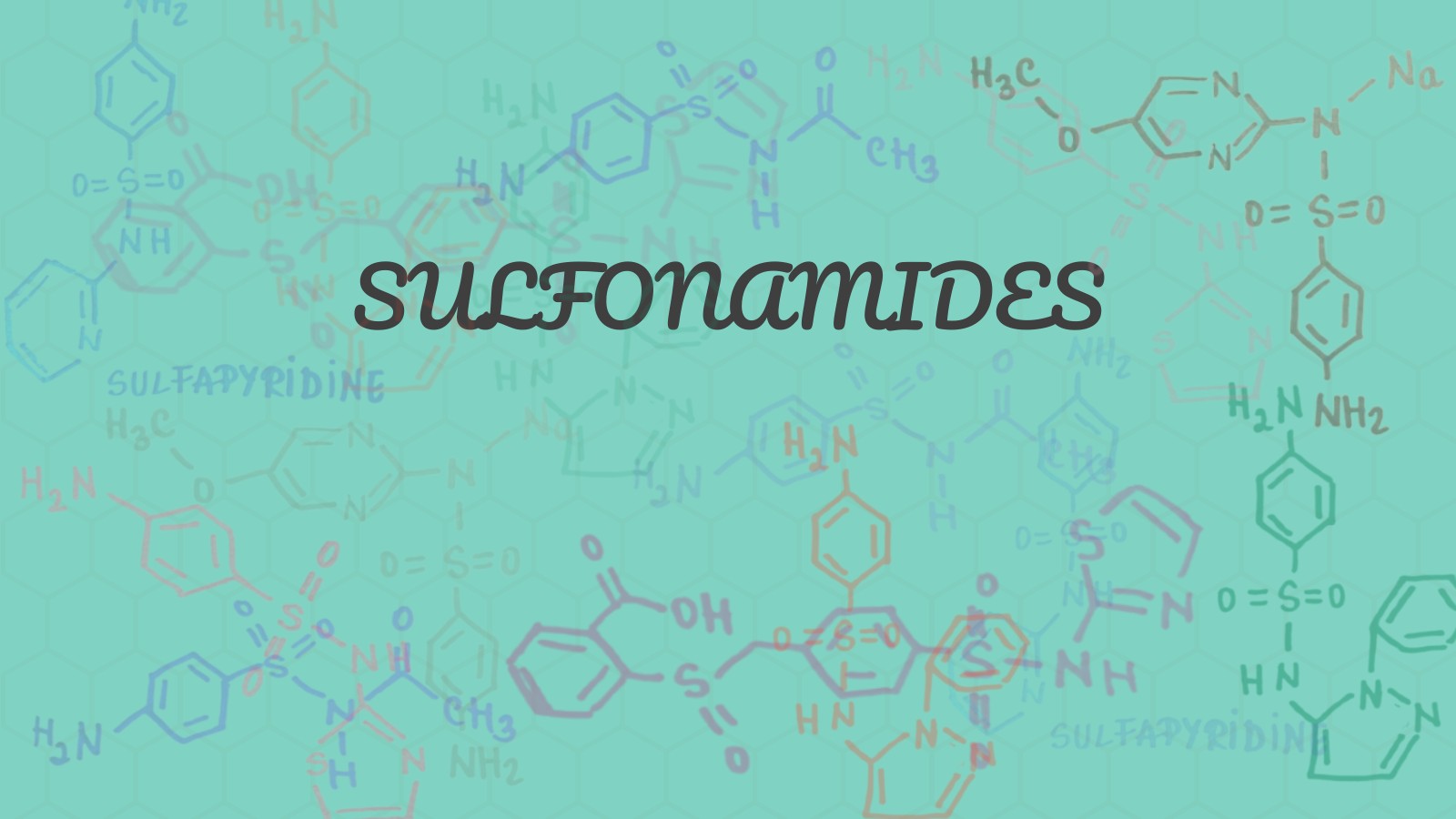
Sulfonamides: The First Modern Antibacterial DrugsContents:1.Definition2.Chemical Reactions3.Mechanism of Action4.Uses5.Importance6.Bibliography1. DefinitionSulfonamides are a class of synthetic antibacterial drugs. They were the first widely used medications capable of effectively treating bacterial infections and played a major role in the development of modern antimicrobial therapy.Sulfonamides are typically white or yellowish solid substances, usually in crystalline powder form. They are poorly soluble in water but soluble in alcohol and alkaline solutions. They are odorless and have a slightly bitter taste. Their melting points are relatively high (150–300°C), while their boiling points are not clearly defined because they decompose at high temperatures.General formula: R–SO₂–NR'R'', where R can be represented by various organic groups.Classification:1)Systemic sulfonamides – administered orally or systemically, acting throughout the body-->Short-acting (e.g., sulfathiazole, sulfapyridine)-->Intermediate-acting (e.g., sulfaphenazole)-->Long-acting (e.g., sulfamethoxydiazine)2)Intestinal sulfonamides – act in the gastrointestinal tract (e.g., phthalylsulfathiazole)3)Topical sulfonamides – applied to skin or mucous membranes (e.g., sulfacetamide)2. Chemical ReactionsThe first clinically used sulfonamide was Prontosil Red, discovered by Gerhard Domagk in 1932. It is an azo dye derivative that becomes active in the body after being metabolized into a sulfonamide compound.This discovery shows that sulfonamides can be synthesized through diazotization and coupling reactions of aromatic amines, processes commonly used in organic chemistry to form azo compounds.3. Mechanism of ActionSulfonamides have a bacteriostatic effect, meaning they inhibit the growth and reproduction of bacteria rather than directly killing them.They act by interfering with the synthesis of folic acid (vitamin B9) in bacteria. They do this by blocking an enzyme called dihydropteroate synthase, which bacteria need to produce folic acid. Without folic acid, bacteria cannot make DNA or multiply. By blocking this pathway, sulfonamides prevent bacterial multiplication and control infection.Importantly, sulfonamides do not affect human cells because humans do not synthesize folic acid; instead, they obtain it from food.4. UsesToday, sulfonamides are most commonly used together with trimethoprim to treat urinary tract infections and certain respiratory infections. They are also used to treat diseases such as toxoplasmosis and Pneumocystis pneumonia. Some sulfonamide drugs are applied directly to the skin or eyes, while others are found in medications used to treat conditions such as type 2 diabetes.Like all medicines, sulfonamides can cause side effects. The most common include allergic reactions, stomach upset, headaches, dizziness, photosensitivity (increased sensitivity to sunlight), and kidney problems. In rare cases, they can cause serious allergic skin reactions.5. ImportanceSulfonamides are an important milestone in medical history because they were the first effective antibacterial drugs used to treat infections. Although bacterial resistance has reduced their use in some cases, they are still valuable medicines for treating specific infections and have helped shape the development of many modern antimicrobial drugs.6. BibliographySourcesMistral Chemistry Textbook, pages 38–39Med.ro – Sulfonamides in pharmacologySfatulMedicului.ro – Medical archive on sulfonamides

Water is essential for life. Every cell, tissue, and organ in your body depends on it to function properly. Yet despite its importance, many people are unsure how much water they actually need each day.You've probably heard the advice to drink "eight glasses of water a day," but is that really the right amount? The answer is more complex than a single number.In this article, we'll explore why hydration matters, how much water you really need, and the signs that your body may not be getting enough.Why Is Hydration So Important?Water makes up around 60% of the adult human body and plays a vital role in nearly every bodily function. It helps:1.Regulate body temperature2.Transport nutrients and oxygen to cells3.Remove waste products through urine and sweat4.Lubricate joints5.Support digestion6.Protect the brain and spinal cord7.Maintain healthy skin and organsEven mild dehydration can affect both physical and mental performance, making it harder to concentrate, stay active, and feel your best.How Much Water Do You Really Need?There is no universal answer because water needs vary from person to person.Several factors influence your daily fluid requirements, including:1.Age2.Sex3.Body size4.Physical activity level5.Climate and temperature6.Pregnancy or breastfeeding7.Certain medical conditionsAs a general guideline, many health organizations suggest:Women: approximately 2.7 liters (91 ounces) of total fluids per day.Men: approximately 3.7 liters (125 ounces) of total fluids per day.It's important to note that these recommendations include all fluids, not just plain water. Water from beverages like milk, tea, and coffee, as well as water-rich foods such as fruits and vegetables, also contributes to your daily intake.Do You Need Exactly Eight Glasses a Day?The popular "8×8 rule"—drinking eight 8-ounce glasses of water daily—is easy to remember, but it isn't a scientifically established requirement for everyone.Some people naturally need more water, while others may need less. Instead of focusing solely on a specific number, it's better to pay attention to your body's signals.For most healthy adults, drinking when you're thirsty and maintaining pale yellow urine are good indicators of adequate hydration.Signs You May Be DehydratedDehydration occurs when your body loses more fluids than it takes in.Early signs include:-Thirst-Dry mouth or lips-Dark yellow urine-Urinating less frequently-Headache-Fatigue-Dizziness-Difficulty concentratingMore severe dehydration may cause:-Rapid heartbeat-Low blood pressure-Confusion-Extreme weakness-FaintingSevere dehydration requires prompt medical attention.Can You Drink Too Much Water?Yes. Although uncommon, drinking excessive amounts of water in a short period can overwhelm the kidneys and dilute the sodium levels in your blood—a condition called hyponatremia.This is more likely to occur during endurance sports or when people intentionally consume very large quantities of water.Symptoms may include:-Nausea-Headache-Confusion-Muscle cramps-VomitingIn severe cases, seizures or loss of consciousnessThe goal is balance—neither too little nor too much.Foods That Help Keep You HydratedHydration doesn't come only from what you drink.Many foods have a high water content, including:-Watermelon-Cucumbers-Strawberries-Oranges-Tomatoes-Lettuce-Celery-Zucchini-Peaches-Soup-based mealsIncluding these foods in your diet can contribute to your daily fluid intake.When Do You Need More Water?Your body loses more fluids under certain conditions. You may need to increase your fluid intake if you:-Exercise regularly-Spend time in hot or humid weather-Have a fever-Experience vomiting or diarrhea-Are pregnant or breastfeeding-Live at high altitudes-It's often helpful to drink water before, during, and after physical activity to replace fluid losses.Tips for Staying Hydrated Throughout the DayBuilding simple habits can make staying hydrated easier:-Carry a reusable water bottle.-Drink a glass of water with each meal.-Keep water nearby while working or studying.-Eat more fruits and vegetables.-Choose water over sugary drinks when possible.-Drink extra fluids during exercise or hot weather.Small, consistent habits are often more effective than trying to drink a large amount all at once.Does Coffee or Tea Count?Yes. Despite the common myth, moderate amounts of coffee and tea contribute to your daily fluid intake. Although caffeine has a mild diuretic effect, the water in these beverages generally outweighs any increase in urine production for regular consumers.However, sugary drinks and alcoholic beverages should not be relied upon as primary sources of hydration, as they may have other health effects.The Bottom LineHydration is about more than simply meeting a daily water target—it's about supporting your body's many essential functions.Rather than focusing on a rigid rule, pay attention to your thirst, urine color, activity level, and environment. Eating water-rich foods, drinking fluids regularly throughout the day, and increasing your intake when needed can help you maintain healthy hydration.If you have kidney disease, heart failure, or another medical condition that affects your fluid needs, speak with your healthcare provider about the amount of fluid that's appropriate for you.
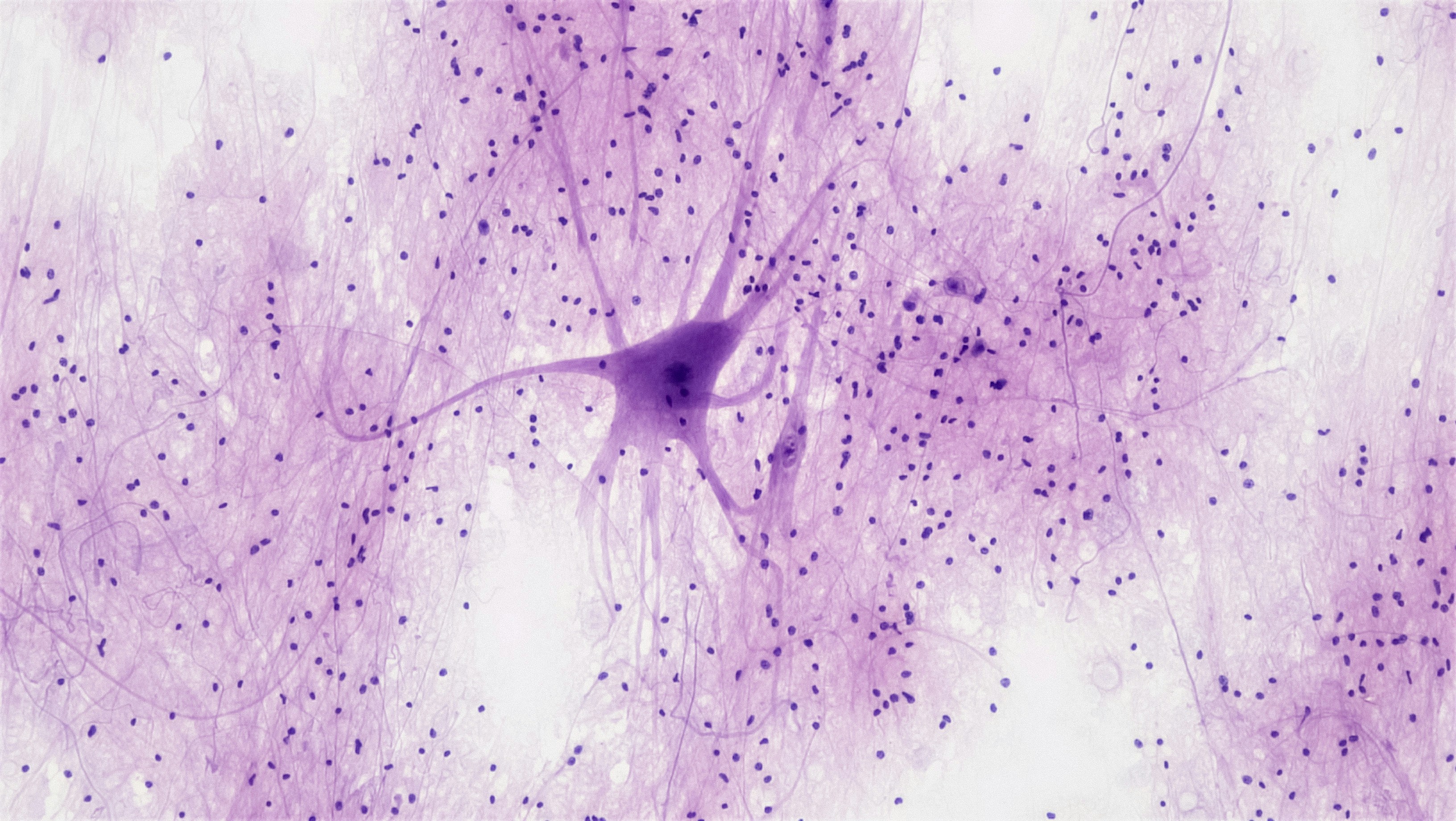
The Brain Is Not a CameraMost people imagine memory like a recording device, something that captures moments and stores them as files you can replay. But that model is wrong in almost every way that matters.Memory is not stored. It is rebuilt every single time you remember something. It is not a photograph; it is closer to a painting you recreate from notes, influenced by your mood, what you've learned since, and who you've become. This makes human memory both beautifully adaptive and frustratingly unreliable.Step One: Encoding: The Brain Pays AttentionBefore a memory can be formed, the brain has to notice something. This is called encoding, and it is highly selective. Your brain is bombarded with roughly 11 million bits of information per second, but only about 40–50 bits ever reach conscious awareness.What gets encoded? Things that are:- Emotionally significant: The brain's amygdala flags emotional events for priority storage.- Novel or surprising: Unexpected information disrupts the brain's predictions, demanding attention.- Repeated: The more you encounter something, the stronger its neural footprint becomes.- Deeply processed: Thinking about the meaning of information (not just reading it) creates far stronger memories. This is why flashcard cramming often fails.Step Two: Synaptic Strengthening: Neurons That Fire Together, Wire TogetherHere is where things get remarkable at the microscopic level. When two neurons communicate repeatedly, the synapse between them physically strengthens. This is called Long-Term Potentiation (LTP), and it was first demonstrated by neuroscientist Tim Bliss and Terje Lømo in 1973.The mechanism works roughly like this:1. A signal travels down a neuron and reaches a synapse.2. It triggers the release of glutamate, the brain's primary excitatory neurotransmitter.3. Glutamate binds to NMDA receptors on the receiving neuron but only if that neuron is already somewhat active. This "coincidence detector" property is key.4. Calcium floods into the postsynaptic neuron.5. This triggers a cascade that inserts more AMPA receptors into the synapse, making it more sensitive.6. Over time, the synapse physically expands, proteins change, and new synaptic connections may sprout entirely.The result: two neurons that were weakly linked are now strongly linked. A memory has begun to take physical form.Step Three: Consolidation: The Brain Works While You SleepEncoding captures a memory. But it is fragile, vulnerable to disruption, decay, or interference. Consolidation is the process by which a fresh memory is stabilized into a durable form.This happens in two layers:Synaptic Consolidation (hours)In the hours after an experience, protein synthesis cements the synaptic changes initiated during encoding. This is why memories formed during intense stress, illness, or intoxication are often patchy; the biological "saving" process was interrupted.System Consolidation (weeks to years)Initially, memories depend heavily on the hippocampus, a seahorse-shaped structure deep in the temporal lobe that acts as a temporary relay and indexer. Over time, through a process still not fully understood, memories are gradually transferred to the neocortex for long-term storage.Critically, sleep plays a starring role in this transfer. During slow-wave sleep, the hippocampus "replays" the day's experiences. During REM sleep, emotional memories are processed. Disrupted sleep doesn't just make you tired; it literally prevents memories from consolidating.The Different "Types" of Memory Not All Stored the Same WayOne of the most unexpected discoveries in memory science is that the brain doesn't use one storage system. It uses many, and they can operate completely independently.Memory Is Reconstructive, and that's a bug and a featureEvery time you remember something, you are not "reading" a file. You are reconstructing it, pulling together distributed fragments of neural activity across multiple brain regions and assembling them into a coherent experience.This reconstruction is influenced by:What you now expect to have happenedEmotions you feel right nowInformation you've encountered since the original eventSocial suggestion (what others tell you happened)This is why eyewitness testimony is shockingly unreliable, why therapists must be careful about "recovering" memories, and why you may vividly "remember" things that never happened—a phenomenon called "false memory," extensively studied by psychologist Elizabeth Loftus.The upside? This flexibility allows us to update memories as we learn more, integrate new understanding into old experiences, and adapt our mental models. Memory is not a record of the past; it is a tool for navigating the future.The Chemistry of "Never Forgetting": Why Emotional Memories StickYou probably remember exactly where you were when something shocking happened, a major accident, a sudden loss, a world event. These are called flashbulb memories, and they feel photographically precise (even though they, too, are often distorted in the details).The reason they feel so vivid is adrenaline (epinephrine) and cortisol, stress hormones that activate the amygdala, which in turn sends a signal to the hippocampus: "This is important; record it well."Neuroscientist James McGaugh's research showed that injecting adrenaline after a neutral experience strengthened later recall of it. The emotion doesn't just color the memory; it enhances its biological encoding at the cellular level.This is also why trauma can be so persistent. The same system that makes joyful moments vivid also makes terrifying ones impossible to shake.What This Means for LearningUnderstanding how memories form has direct, practical consequences:- Space your learning: The "spacing effect" works because each retrieval slightly destabilizes a memory, and the re-consolidation makes it stronger. Cramming bypasses this cycle.- Sleep after studying: Consolidation needs time. An all-nighter before an exam trades short-term recall for long-term learning.- Test yourself: Active retrieval (the "testing effect") strengthens the neural pathways more than re-reading ever will.- Make it emotional or meaningful: Connecting new information to something you care about recruits the amygdala and hippocampus together, creating a stronger trace.- Teach it: Explaining something to someone else forces deep processing, which is exactly what drives durable encoding.Conclusion: You Are Your Memories, but they are not fixedMemory is one of the most intimate things about us. Our sense of identity, our relationships, our expertise—all of it is woven from remembered experience. And yet the biological reality of memory is that it is never truly fixed. It is living, changing, reconstructed afresh with every recall.This makes memory both miraculous and humbling. We are not passive recorders of our lives. We are active authors shaping, editing, and reinterpreting our past every time we remember it.And right now, the brain that finished reading this article has already changed ever so slightly to carry what it just learned.
Bioethics in the 21st Century: Challenges and DilemmasIntroduction to BioethicsBioethics is the study of moral issues arising from medicine and the life sciences. Its role is to protect human life and dignity and to provide guidelines for making correct decisions in complex situations. Bioethics is not limited to theory; it directly influences modern medical research and practice, establishing ethical standards for every decision that affects human life and health.Origin of the Term "Bioethics”The word “bioethics” comes from Greek: “bios” = life and “ethos” = character or morality. The term was introduced in 1970 by American biochemist Van Rensselaer Potter, who proposed bioethics as a bridge between biology and moral values, emphasizing that scientific progress must be used responsibly for the good of humanity and society.Brief HistoryModern bioethics developed in the second half of the 20th century, driven by rapid advances in medical technologies and scientific research. However, ethical concerns in medicine date back to ancient times, particularly the Hippocratic Oath, which required physicians to act in the patient’s best interest and avoid causing harm.In this context, the creation of institutions and university programs dedicated to bioethics became necessary in order to analyze and guide the complex moral dilemmas of the modern world.Fundamental Principles of BioethicsBioethics is based on four fundamental principles:Autonomy: respecting the patient’s right to make decisions about their own health.Beneficence: acting in the best interest of the patient and the community.Non-maleficence: avoiding harm or injury to the patient.Justice: fair distribution of medical resources and equal access to treatments.These principles help resolve moral dilemmas in medical practice and scientific research.Bioethics in an Interdisciplinary ContextBioethics operates at the intersection of medicine, biology, philosophy, and law. It analyzes complex moral dilemmas that arise in medical research and practice. For example, when scientists work with human cells, perform cross-species transplants, or use genetic technologies, bioethics helps determine what is morally acceptable and what is not.Thus, it supports correct decision-making while protecting both humans and animals involved.Fields of BioethicsBioethics examines issues related to the beginning and end of life, such as abortion and euthanasia. It also studies organ transplantation and xenotransplantation, genetic manipulation, cloning, and human research.In each field, bioethics identifies moral limits and establishes standards for correct decisions, protecting life and individual rights.Henrietta Lacks and HeLa CellsIn 1951, Henrietta Lacks was treated for cervical cancer, and during medical procedures, her cells were taken without her consent, according to the medical practices of that time, especially for patients from vulnerable groups. These cells became the first “immortal” human cell line widely used in biomedical research.HeLa cells were essential for major medical discoveries, including the development of the polio vaccine and cancer research.This case raises important bioethical issues regarding informed consent, rights over biological tissues, and respect for vulnerable individuals, significantly influencing how medical research handles patient rights today.Cloning of Primates Zhong Zhong and Hua HuaIn 2018, Chinese researchers successfully cloned two macaques (primates) named Zhong Zhong and Hua Hua using somatic cell nuclear transfer. This was the first successful cloning of primates using the same technique used for Dolly the sheep.This example opens discussions about the acceptable limits of interfering with life processes and how society regulates such technologies.Cloning of the Cat “CC” (Copy Cat), the First Cloned Cat (2001)“CC” was the first cloned domestic cat, which sparked discussions about pet cloning, the human desire to “preserve” beloved animals, and the ethical implications of this phenomenon.Bioethical issues:Health problems in cloned animals (vulnerability to disease).Effects on the human–animal relationship and the psychological impact of cloning pets.The dilemma between using cloning for human benefit and animal welfare.Cloning of Extinct Species and Bioethical DilemmasConcrete examples:Woolly mammoth – researchers use preserved DNA to attempt creating hybrid individuals with Asian elephants, aiming to reintroduce the species into northern ecosystems.Dodo bird – theoretical projects propose using the genome of the extinct bird to recreate it, although the genetic and ecological challenges are enormous.White-tailed deer (Dewey) — cloned in 2003; an unusual case involving cloning of a common species for study and management purposes.Pyrenean ibex — first cloned in 2009, but the offspring died shortly after birth due to lung problems.Pashmina goat, “Noori” (2012) — the world’s first cloned Pashmina goat, born in India through somatic cell nuclear transfer, aimed at genetic conservation and improving wool production.Genetically Modified Pig Heart Transplant into a HumanIn 2022, patient David Bennett received a genetically modified pig heart transplant as part of a medical experiment conducted at the University of Maryland Medical Center. This innovative procedure represents a major step in xenotransplantation (cross-species organ transplantation).Bioethical dilemmas raised:Patient safety and risks associated with such experimental procedures.Use of animal organs for humans: ethical implications regarding animal suffering and species boundaries.Informed consent and clear communication of risks in experimental treatments.This case shows how bioethics guides decisions related to innovative therapies, ensuring a balance between medical progress and respect for life.Bioethics and Religion: Objective ExamplesSome bioethical dilemmas are influenced by religious beliefs or cultural traditions. These perspectives are analyzed alongside universal ethical standards to understand the diversity of opinions:Abortion: perceptions of its morality vary between religious traditions and secular-humanist approaches.Stem cell therapy: research on embryos raises moral dilemmas, while adult stem cells are less controversial.Euthanasia and end-of-life medical interventions: different views on the value of life and patient autonomy influence debates.Human cloning: embryo manipulation raises questions about human dignity and identity.ConclusionBioethics guides us in making moral decisions in medicine, protecting human life and dignity. The cases presented show how bioethical principles are applied in real medical practice and research.Bibliographyhttp://bioetica-medicala.ro/scurt-istoric/https://umfcdbioetica.ro/https://www.mircea-leabu.ro/wp-content/uploads/2021/11/Bioetica.Teorii_instrumente_utilitate.pdfhttps://toolbox.eupati.eu/glossary/bioetica/?lang=pt-pthttps://asociatiaprovita.ro/resurse/bioetica/bioetica/https://ar.inspiredpencil.com/pictures-2023/frozen-woolly-mammoth-clone
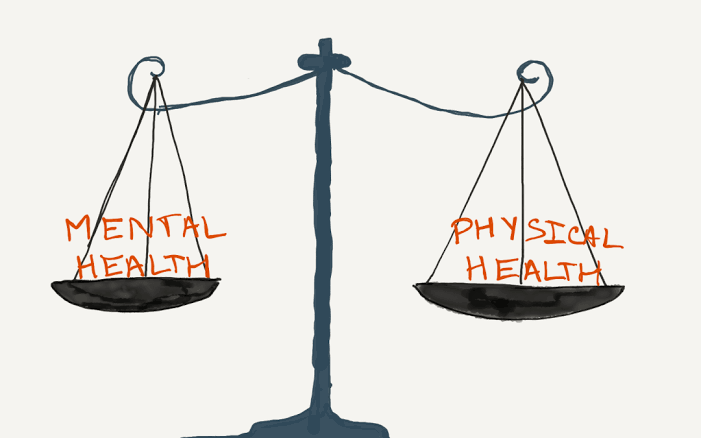
When we think about health, many of us focus on physical symptoms such as pain, fever, or high blood pressure. However, true health involves much more than the absence of disease. Mental health and physical health are closely connected, and taking care of one without the other can make it harder to achieve overall well-being.Understanding this connection can help you make healthier choices and recognize when it's time to seek medical support.The Mind-Body ConnectionYour brain and body constantly communicate with each other. Thoughts, emotions, and stress influence how your body functions, while physical illnesses can affect your mood, energy, and mental well-being.For example: Chronic stress can contribute to high blood pressure and digestive problems. Anxiety may cause headaches, muscle tension, or rapid heartbeat. Depression can lead to fatigue, poor sleep, and reduced physical activity. Chronic physical conditions such as diabetes or heart disease may increase the risk of anxiety or depression.Because these systems are interconnected, improving one often benefits the other.How Mental Health Affects Physical HealthMental health influences many aspects of daily life, including: Sleep Quality Stress and anxiety can make it difficult to fall asleep or stay asleep. Poor sleep weakens the immune system, affects concentration, and increases the risk of chronic health conditions. Heart Health Long-term stress increases the production of stress hormones such as cortisol and adrenaline. Over time, this may contribute to elevated blood pressure, inflammation, and an increased risk of cardiovascular disease.Immune FunctionPersistent psychological stress can reduce the body's ability to fight infections and may slow recovery from illness or surgery.Healthy HabitsPeople experiencing depression or anxiety may find it more difficult to: Exercise regularly Eat balanced meals Take medications consistently Attend routine medical appointmentsThese challenges can increase the risk of developing or worsening physical health problems.How Physical Health Affects Mental Well-Being The relationship also works in the opposite direction. Living with chronic pain, diabetes, arthritis, asthma, or other long-term conditions can affect emotional well-being. Many people experience frustration, worry, or sadness when managing ongoing health issues. Physical symptoms such as fatigue or limited mobility may reduce social interactions and daily activities, increasing the risk of depression and anxiety.Signs That Your Mental and Physical Health May Be ConnectedConsider speaking with your healthcare provider if you experience: Persistent fatigue without a clear cause Frequent headaches or muscle tension Difficulty sleeping Changes in appetite or weight Loss of interest in activities you once enjoyed Ongoing feelings of sadness, anxiety, or irritability Physical symptoms that worsen during periods of stressEarly recognition can help prevent symptoms from becoming more severe.Practical Ways to Support Both Mind and BodyYou don't need to make dramatic changes to improve your overall health. Small, consistent habits can have a significant impact. Stay Physically Active Regular exercise supports cardiovascular health while also improving mood by stimulating the release of endorphins, often called the body's "feel-good" chemicals. Prioritize Sleep Aim for 7–9 hours of quality sleep each night. Maintaining a regular sleep schedule can improve both physical recovery and emotional resilience. Eat a Balanced DietA nutritious diet rich in fruits, vegetables, whole grains, lean proteins, and healthy fats supports brain function as well as physical health.Healthy stress-management techniques include: Deep breathing exercises Meditation or mindfulness Spending time outdoors Reading or engaging in hobbies Talking with friends or family Stay Connected Strong social relationships are associated with lower levels of stress, improved mental health, and even better long-term physical health outcomes.Attend Regular Medical Check-UpsRoutine health examinations allow healthcare providers to identify both physical and mental health concerns early, when they are often easier to manage.When Should You Seek Professional Help?Everyone experiences stress from time to time. However, if emotional difficulties persist for several weeks, interfere with daily life, or are accompanied by physical symptoms, it is important to seek medical advice.Your healthcare provider can assess your symptoms, identify possible underlying causes, and recommend appropriate treatment or referral when needed.Seeking help is a positive step toward better health—not a sign of weakness.ConclusionMental health and physical health are inseparable parts of overall well-being. Looking after your emotional health can improve your physical health, just as maintaining a healthy body supports a healthy mind.By adopting healthy daily habits, recognizing early warning signs, and seeking medical care when needed, you can support both your mental and physical well-being throughout every stage of life.
Artificial intelligence (AI) and robotic surgery represent two of the most important technological advancements in modern medicine, both contributing to a significant transformation of how diseases are diagnosed and treated. In recent years, healthcare systems have increasingly integrated artificial intelligence into clinical practice, particularly in the field of medical diagnosis, where its ability to process and analyze large volumes of data has proven extremely valuable. AI systems can evaluate medical images, laboratory results, and patient records with remarkable speed, often identifying subtle patterns that may be difficult for the human eye to detect. This has led to major improvements in areas such as radiology, where AI can detect abnormalities in CT scans, MRI images, and X-rays, dermatology, where it assists in the early detection of skin cancers such as melanoma, cardiology, where it helps interpret electrocardiograms and identify arrhythmias, and pathology, where it supports the microscopic analysis of tissue samples. These systems are typically based on machine learning and deep learning algorithms, which are trained on large datasets and learn to recognize complex patterns in medical information. One of the greatest advantages of AI 🤖 is its ability to increase diagnostic speed and improve accuracy while supporting physicians in making informed clinical decisions. However, it also has important limitations, including dependence on high-quality data, difficulties in handling rare conditions, and the lack of human clinical judgment and contextual understanding. Ethical concerns regarding responsibility and decision-making also remain a key issue. At the same time, robotic surgery 🦾 has emerged as another major innovation, transforming the surgical field by enhancing precision and minimizing invasiveness. Contrary to the idea of fully autonomous machines, robotic surgery involves systems that are entirely controlled by surgeons, such as the widely used da Vinci Surgical System, which translates human hand movements into highly precise robotic actions. This technology is currently used in multiple specialties, including urology, gynecology, general surgery, and cardiac surgery. The advantages of robotic surgery include improved precision, reduced tremor, smaller incisions, less blood loss, reduced postoperative pain, faster recovery times, and shorter hospital stays. However, it also presents challenges such as high costs, limited availability in many healthcare systems, and the need for specialized training. Like artificial intelligence, robotic surgery does not replace the surgeon but enhances their capabilities, making complex procedures safer and more efficient. Looking ahead, the integration of artificial intelligence with robotic systems has the potential to further revolutionize medicine by enabling real-time surgical guidance, improved decision support, and even remote procedures performed across long distances. Despite these remarkable advances, the role of physicians and surgeons remains essential, as human judgment, experience, empathy, and responsibility cannot be fully replaced by technology. Together, artificial intelligence and robotic surgery are shaping the future of healthcare, demonstrating that the greatest medical innovations arise not from replacing humans, but from empowering them through technology. 🚀
Microscopic study of river water and pollen germinationThis week, I continued exploring one of my hobbies: microscopy. Interested in the natural world, I kept experimenting with observations under the microscope using a guide I have been following. In particular, I wanted to revisit Experiment 38, which focuses on pollen germination, as I was curious whether I could obtain different or clearer results compared to my previous attempt.While going through the guide, I also came across an experiment I had always wanted to try: observing green algae under the microscope and possibly studying them in a simple home setup without laboratory equipment. For this purpose, I collected a water sample during a boat trip on the Danube, which also contained visible traces of algae floating in the water.I am aware that the Danube area includes protected ecosystems, especially for species such as yellow and white water lilies, which are endangered. For this reason, I made sure to collect only water from open areas, avoiding any disturbance of aquatic plants or surrounding habitats.After one week, I examined the sample. Upon opening the test tube containing the river water and algae, I noticed a very strong, pungent and unpleasant odor, likely caused by natural decomposition processes. To safely handle the sample, I used gloves and two protective face masks during the experiment.Microscopic observation of river water and algaeFirst, I placed a drop of river water onto a microscope slide using the wet mount technique. Simply put, a wet mount is a microscopy method for observing liquid samples using a cover slip to improve clarity under the microscope.I also isolated a small portion of the algae sample, as it appeared to have small particles attached to its surface, possibly sediment or microorganisms from the river environment.I took photos at each magnification level (100×, 600×, and 1200×) using my phone.At lower magnification, a green filamentous structure was visible, which I identified as the algae sample. Around it, there were small particles and sediment from the riverbed, which is expected in natural water samples. At higher magnification, a transparent structure became more visible, containing small yellowish dots arranged in a pattern that resembled a chain or ladder-like structure. While I cannot precisely identify its nature, it appeared to be part of the algae’s internal or attached structure and was particularly interesting to observe.I had also hoped to observe more diverse or “ancient” forms of algae, similar to those found in more isolated environments, but the sample mainly reflected a typical river ecosystem. Nevertheless, it provided valuable microscopic detail.Pollen germination experimentThe second part of the experiment focused on pollen germination. Following the instructions in the guide, I prepared a sugar solution by dissolving sugar in water. I then collected pollen from lilies, plants known for their strong fragrance and highly visible pollen grains, and mixed it into the solution. The sample was left to sit for approximately three hours.After this period, I placed a drop of the solution onto a wet mount slide. The solution had taken on an orange tint due to the pollen pigments.Under the microscope, I observed multiple brown oval structures, which I identified as pollen grains. At higher magnification, smaller yellow particles were visible around some of the pollen grains. Based on their appearance, these may correspond to pollen germination structures, although this remains a qualitative observation.Previous attempt and comparisonI had performed a similar experiment approximately two years ago. However, due to an issue with the wet mount preparation, the cover slip detached, and I attempted to fix it using super glue. This likely altered the chemical composition of the sample, especially the sugar solution and pollen interaction, resulting in different visual outcomes compared to the present experiment.ConclusionOverall, these experiments provided a valuable opportunity to practice basic microscopy techniques and explore my interest in the microscopic world. Each attempt gives me a better understanding of what can be observed under the microscope and keeps my curiosity going.References->Microscopy guide used for educational purposes->Personal observations and experiments
New research is revealing how our immune cells "remember" experiences, opening the door to more personalized treatments for chronic diseases.Our immune system is far more adaptable than scientists once believed. While our DNA provides the blueprint for how our bodies function, another layer of regulation—known as epigenetics—determines how that blueprint is used.Recent research has shown that epigenetic changes play a key role in controlling macrophages, one of the body's most important immune cells. Understanding how these cells adapt could transform the way we prevent and treat inflammatory, autoimmune, and neurodegenerative diseases.What Are Macrophages?Macrophages are specialized immune cells that protect the body by: Detecting and eliminating harmful bacteria and viruses Removing damaged or dead cells Supporting tissue repair and healing Coordinating the body's inflammatory responseRather than behaving the same way throughout the body, macrophages adapt to the environment around them. Those found in the lungs, liver, skin, or brain each perform unique functions tailored to the needs of that tissue.What Is Epigenetics?Although nearly every cell in the body contains the same DNA, not every gene is active at the same time.Epigenetics refers to the biological mechanisms that switch genes on or off without changing the DNA sequence itself. These changes help cells respond to their environment, allowing the immune system to react quickly to infections, injuries, and other challenges.One of the most important epigenetic mechanisms involves chromatin—the structure that packages DNA inside our cells. When chromatin becomes more open, certain genes become easier to activate, enabling macrophages to rapidly adjust their behavior when needed.The Immune System Can "Remember"Scientists have recently discovered that macrophages can develop a form of trained immunity.Unlike the long-term memory created by antibodies, trained immunity is driven by epigenetic changes. After exposure to infections or inflammation, macrophages can become "primed" to respond more effectively—or, in some cases, too aggressively—to future challenges.This growing field of research may help explain why chronic inflammation contributes to conditions such as: Cardiovascular disease Type 2 diabetes Autoimmune disorders Alzheimer's disease Parkinson's diseaseWhy This MattersThe brain contains its own specialized macrophages, called microglia, which help protect neurons and maintain healthy brain function.When these cells remain activated for long periods, they can contribute to ongoing inflammation that has been linked to several neurodegenerative diseases. By understanding the epigenetic signals that control these immune cells, researchers hope to develop therapies that regulate inflammation without suppressing the immune system entirely.Looking AheadAdvances in genomics and epigenetics are changing our understanding of the immune system. Rather than viewing immune cells as fixed responders, scientists now recognize that they are highly adaptable and continuously shaped by their environment.As research continues, these discoveries may lead to more precise treatments that target the underlying mechanisms of disease instead of simply managing symptoms. This represents an important step toward the future of precision medicine, where therapies can be tailored to each individual's unique biological profile.
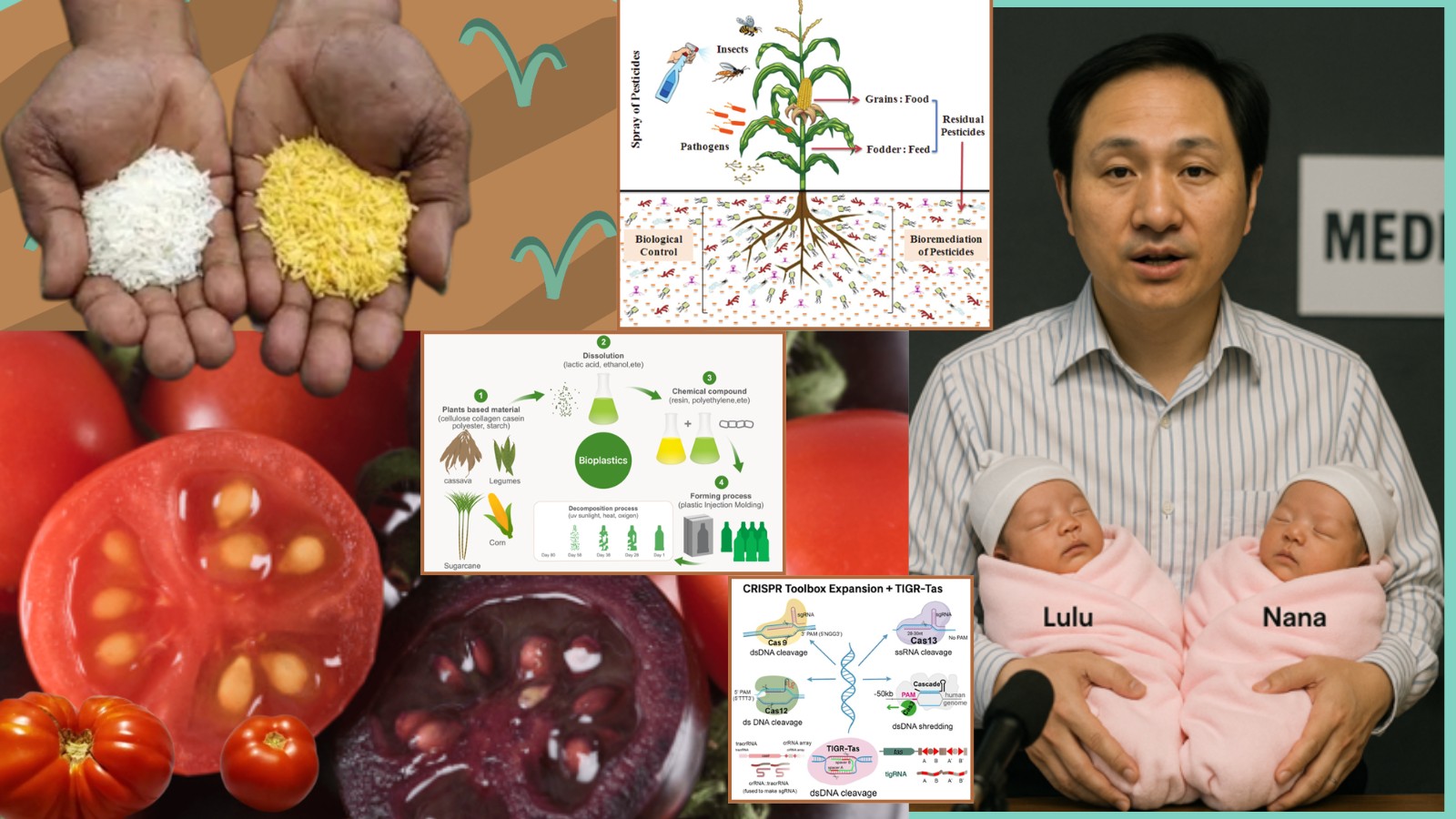
Genetic EngineeringPS: This article was developed as part of a school biology project. It is the result of collaborative work, including shared research, documentation, and organization of the material. The aim of the project was to explore key concepts in modern biology, with a particular focus on genetic engineering, and to present the information in a clear and structured academic form.Introduction to Genetic EngineeringGenetic engineering is a branch of biology focused on the modification of an organism’s genetic material (DNA). Its purpose is to introduce, remove, or modify specific genes in order to obtain desired traits, such as resistance to diseases or the production of useful substances like medicines.This field emerged from the need to better understand and control biological processes. The first experiments began in the second half of the 20th century, alongside the development of recombinated DNA technology.How Genetic Engineering WorksThe process of genetic engineering involves several key steps:-identifying a gene with a useful function-isolating or copying that gene from an organism-inserting the gene into the DNA of another organism-multiplying or reproducing the modified organismA very important technology in this field is CRISPR-Cas9, often described as “molecular scissors” that can cut DNA at precise locations. This technology has made genetic modification faster, cheaper, and far more accurate than previous methods.CRISPR-Cas9CRISPR-Cas9 (Clustered Regularly Interspaced Short Palindromic Repeats – Cas9 protein) is one of the most important discoveries in modern biology. It allows scientists to edit DNA with high precision, similar to editing text on a computer.Bacteria naturally use this system as a defense mechanism against viruses. They store fragments of viral DNA in their genome within CRISPR regions. When the virus attacks again, the bacterium:>recognizes the viral DNA>produces a guide RNA>directs the Cas9 protein to the matching sequence>cuts and destroys the viral DNAScientists Jennifer Doudna (UC Berkeley) and Emmanuelle Charpentier (Max Planck Institute) demonstrated that this mechanism can be adapted for gene editing in plants, animals, and humans.TIGR-Tas TechnologyTIGR-Tas is a newly developed gene-editing system (2025) created by researchers at the Massachusetts Institute of Technology and the Broad Institute. It uses RNA-guided proteins to target specific DNA sequences, similarly to CRISPR-Cas9.Its main advantages include:--smaller protein size compared to Cas9, making delivery into cells easier--the use of two guide RNA sequences, potentially increasing precision--no requirement for a PAM sequence, allowing access to more genomic targetsResearchers consider TIGR-Tas a promising future tool for gene therapy and biomedical research.Ethical Considerations in Genetic EngineeringGenetic engineering offers major benefits but also raises ethical concerns. On one hand, it can treat genetic diseases and improve agriculture through more resistant crops. On the other hand, it raises concerns about altering natural systems and unknown long-term effects on ecosystems and organisms.A particularly controversial issue is human genetic modification, which could lead to inequality, misuse of technology, and ethical conflicts. For this reason, bioethics emphasizes that genetic engineering must be used responsibly and strictly regulated.Applications of Genetic EngineeringMedical ApplicationsGenetic engineering has transformed modern medicine by enabling innovative therapies and advanced diagnostic techniques.Examples include:-production of insulin using genetically modified bacteria, reducing allergic reactions and replacing animal sources-gene therapy for correcting defective genes in inherited diseases such as cystic fibrosis-development of modern vaccines, including those for COVID-19, hepatitis B, and HPV-modification of immune cells to improve cancer treatmentAgricultural ApplicationsGenetic engineering has led to the development of crops with improved characteristics that address global challenges. These plants may be resistant to pests, reducing pesticide use, or tolerant to herbicides, improving weed control.Examples include:--Golden Rice, enriched with vitamin A precursors to combat nutritional deficiencies--genetically modified tomatoes with longer shelf life, reducing food waste--purple tomatoes rich in anthocyanins with added health benefits--drought- and salt-resistant crops adapted to climate change--plants engineered to fix nitrogen, reducing the need for chemical fertilizersIndustrial ApplicationsGenetic engineering is widely used in industry to produce useful substances through genetically modified microorganisms acting as bioreactors.Examples include:--enzymes used in detergents, textiles, and food processing--biofuels such as ethanol and biodiesel produced from biomass--biodegradable plastics and biomaterials as alternatives to petroleum-based productsEnvironmental ApplicationsGenetic engineering provides solutions for pollution reduction and ecosystem protection.Examples include:--microorganisms used in bioremediation to break down oil, pesticides, and heavy metals--biological biosensors for detecting toxic substances in the environment--bacteria used to clean oil spills in oceans--conservation efforts for endangered species and biodiversity protectionResearch ApplicationsGenetic engineering helps scientists study biological processes using genetically modified organisms as research models.Examples include:--animals and plants used to study human diseases and test treatments--genetically modified mosquitoes to reduce malaria transmission--gene-editing tools used to understand gene function--synthetic biology for designing new biological systemsAdvantages of Genetic Engineering--more effective and safer medical treatments--increased agricultural productivity--reduced pesticide use and environmental pollution--environmental protection through bioremediation--production of sustainable medicines and materialsDisadvantages of Genetic Engineering--unknown long-term risks--potential negative effects on ecosystems--uncontrolled spread of modified genes--high costs of technology--ethical concerns regarding human genetic modificationsEthical Controversy: The He Jiankui CaseIn 2018, Chinese researcher He Jiankui announced that he had used CRISPR-Cas9 gene-editing technology to modify human embryos with the aim of making them resistant to HIV infection. He targeted the CCR5 gene, which plays a role in allowing HIV to enter human cells. According to his claims, the edited embryos were implanted and resulted in the birth of twin girls.The experiment quickly sparked global controversy because it was carried out without clear, internationally recognized ethical approval and with limited transparency. Questions were raised about whether the parents gave fully informed consent and whether the research followed proper regulatory procedures.Scientists around the world strongly criticized the work. Many argued that it was unnecessary, since HIV can already be effectively prevented through existing medical methods, and that editing embryos introduced serious risks. One major concern was the possibility of off-target genetic changes, as well as unknown long-term effects that could affect not only the children but also their future descendants, since germline edits are heritable.Following the announcement, the case led to widespread condemnation, legal consequences for He Jiankui in China, and renewed global debate about how and when human embryo editing should be allowed. It is now widely seen as a landmark example of unethical application of genetic engineering and a warning about the need for stronger international oversight.ConclusionGenetic engineering is a major scientific field with applications in medicine, agriculture, industry, and environmental protection. It offers significant progress in treating diseases, improving food production, and reducing pollution, but also raises ethical challenges and risks that require responsibility and strict regulation.Future technologies such as CRISPR-Cas9 and emerging systems like TIGR-Tas may enable even more precise and effective solutions for health and the environment, provided they are used ethically and under proper control.Bibliography / SourcesMed.Ro – Genetic engineering: applications, benefits and risksȘtiința Azi – What is genetic engineering (CRISPR)Revista Română de Bioetică – What is genetic engineering? A fundamental introductionAmerican Association for the Advancement of Science (AAAS) – Chinese scientist who produced genetically altered babies sentenced to 3 years in jailMIT Technology Review – A controversial Chinese CRISPR scientist is still hopeful about embryo gene-editing. Here’s whyCenters for Disease Control and Prevention (CDC) – Genetically Modified MosquitoesScience (AAAS) – https://www.science.org/doi/10.1126/science.adv9789PubMed Central (PMC) – https://pmc.ncbi.nlm.nih.gov/articles/PMC9377665/Image sources:https://3.bp.blogspot.com/-3DMovUHqoYU/UbnMpwYUNvI/AAAAAAAABOI/OrUicRTNMpA/s1600/stem+cell.JPG+190.JPGhttps://blogger.googleusercontent.com/img/b/R29vZ2xl/AVvXsEhQxXyy3b8iuOsneSg11rAsl16v6_5gXCZDTkte6W5oaTM_vgxB3v6lbyYxsB47OfczddcgXjlJB3hLqdl615-gj2Bjx9pUQ9gzXTZmwIF2aTSQrYbaXKxxsd5LzLVEqnV6YzgTGhnTnec-fzcb7viv-p-nJIrUpLGddK-UM8S1MwTbLQbCi82uygIzyCE/s1536/file_0000000038e061f9b3e797598e0903f4.pnghttps://www.researchgate.net/publication/349706113/figure/fig2/AS:996785300439046@1614663543638/Applications-of-genetic-engineering-and-genome-editing-to-improve-plant-molecular-farming_Q640.jpghttps://scx2.b-cdn.net/gfx/news/hires/2020/3-engineeringa.jpghttps://media.licdn.com/dms/image/v2/D5612AQGjWpnmvuBg3A/article-cover_image-shrink_600_2000/article-cover_image-shrink_600_2000/0/1697795146425?e=2147483647&v=beta&t=CTNFpShKYFwLXSuFVwfhaOoUPcdTU6nFGtqcf7ajukUhttps://cdn.ncbi.nlm.nih.gov/pmc/blobs/3f0e/4914850/2e9ce91d1645/srep27185-f1.jpg

If you're one of the more than 170 million women worldwide that have been told they have PCOS (Polycystic Ovary Syndrome), you might be interested in what I'm about to tell you!On the 12th of May 2026, The Lancet published a massive global consensus. After over a decade of advocacy, research, and pushing by patients and doctors, the name PCOS is officially being retired.Say hello to PMOS: Polyendocrine Metabolic Ovarian Syndrome.This isn't just medical jargon or a boring textbook update. It is a massive, historic victory for how women’s bodies are understood and treated. Here is why this name change is going to change lives.The Biggest Misconception : There are No Cysts!Let's start with the most frustrating part of the old name. For decades, the word "polycystic" made people think they had dangerous, exploding cysts on their ovaries. But biologically, that's completely wrong. The "cysts" seen on ultrasounds are actually just antral follicles; perfectly normal, tiny fluid-filled sacs that contain immature eggs. Because of hormonal imbalances, the body just gets confused, and ovulation gets paused. The eggs get stuck in their early development stages, leading to a high volume of these follicles (20 or more).Calling it an ovarian cyst disease did two really damaging things:1. It made people think it was just a "reproductive issue" you only need to worry about when you want to get pregnant.2. It completely ignored everything else happening in the rest of the body, leading to missed diagnoses, given treatment you might not even need, and years of frustration.Breaking Down PMOS: Why the New Name Actually Makes SenseThe new name, PMOS, finally looks at the whole picture. It’s broken down into three pillars that perfectly describe what’s actually going on:1. Polyendocrine (The Hormone Chaos)"Poly" means many, and "endocrine" refers to your hormones. This acknowledges that the condition isn't just about estrogen or progesterone. It’s a complex web involving high androgens (like testosterone) and messed-up signaling between the brain and the ovaries.2. Metabolic (The Missing Piece)This is the absolute most important change. Including "metabolic" finally forces the medical world to recognize that this condition is deeply tied to insulin resistance. This isn't just about irregular periods; it carries lifelong risks for:- Type 2 diabetes- Cardiovascular issues and high blood pressure- Metabolic syndrome3. Ovarian (The Effect, Not the Cause)The ovaries are still in the name because, yes, irregular cycles and fertility struggles are a major part of the experience. But now, the ovaries are recognized as being affected by the systemic hormone and metabolic issues, rather than being the root cause of the entire problem.What Actually Causes PMOS?If you have it, it is not your fault. Here is what is actually going on under the hood:- Insulin Resistance: This is the big one. Your cells stop responding properly to insulin, so your pancreas pumps out way too much of it to compensate. Here is the kicker: high levels of insulin actively signal your ovaries to produce too much testosterone.- Low-Grade Inflammation: People with PMOS often have chronic, low-grade inflammation. This stimulates polycystic ovaries to produce androgens, which further drives the metabolic cycle.- Genetics: If your mom, sister, or aunt has PMOS (or Type 2 diabetes), your chances of having it are much higher. Certain genes are heavily linked to how your body processes hormones and insulin.- Androgen Excess: The ovaries produce abnormally high levels of male hormones (androgens), which throws off the delicate feedback loop between your brain's pituitary gland and your reproductive system, stopping normal ovulation.The Reality Check: Serious Long-Term ComplicationsThis is exactly why the name change to include "Metabolic" is so critical. PMOS isn't just about acne, facial hair growth (hirsutism), or irregular periods. If left unmanaged, the chronic hormonal and metabolic chaos can lead to serious, life-altering complications:- Type 2 Diabetes & Pre-diabetes: Because of chronic insulin resistance, more than half of women with PMOS develop type 2 diabetes before the age of 40.- Cardiovascular Disease: High insulin and inflammation lead to high blood pressure, elevated LDL ("bad") cholesterol, and clogged arteries, significantly increasing the risk of heart attacks and strokes later in life.- Infertility: Because ovulation is irregular or entirely absent (anovulation), PMOS is the leading cause of female infertility worldwide.- Pregnancy Complications: When patients with PMOS do get pregnant, they face much higher rates of gestational diabetes, preeclampsia (dangerously high blood pressure), and premature birth.- Endometrial Cancer: If you don't menstruate regularly, the lining of your uterus (the endometrium) builds up month after month without shedding. This continuous exposure to estrogen without enough progesterone increases the risk of uterine cancer.- Non-Alcoholic Fatty Liver Disease (NAFLD): Severe insulin resistance causes fat to accumulate in the liver, which can lead to chronic liver inflammation and scarring.- Mental Health Struggles: The physical symptoms, weight struggles, and hormonal imbalances create a massive toll on mental health. People with PMOS are statistically at a much higher risk for clinical depression, severe anxiety, and eating disorders.How will this affect the future of care?Well first and foremost, the standard infrastructure for this procedure will change:- Where the doctor did a pelvic ultrasound for PCOS, they will now look at your bloodwork, metabolic health, and your symptoms as a whole (!)- Secondly, they can't just prescribe you a birth control and hoping for the best. Instead, they will need to have a whole team of endocrinologists, dietitians and so on who focus on your wellness as a whole.- Furthermore, being dismissed because your ovaries look "just fine" can't happen anymore, they will need to take your symptoms and hormonal disruptivenesses in complete consideration.Because the core diagnostic criteria is remaining how they were, and the recent changes having been made, there is a three-year transition plan in place to officially weave PMOS into healthcare systems worldwide by 2028, to fully ensure that medical coding systems and global guidelines are being updated.A Personal Note - Why this is so Important to meFor way too long, women's health has been sidelined, underfunded, and misunderstood. Patients have had to become their own researchers just to get basic answers.Changing the name to PMOS strips away a century of medical misconception. It forces the healthcare system to look at young women not just as reproductive vessels, but as whole people who deserve comprehensive, metabolic, and preventative care. We are finally being seen, and as a future provider, I could not be more proud or excited for where medicine is heading!
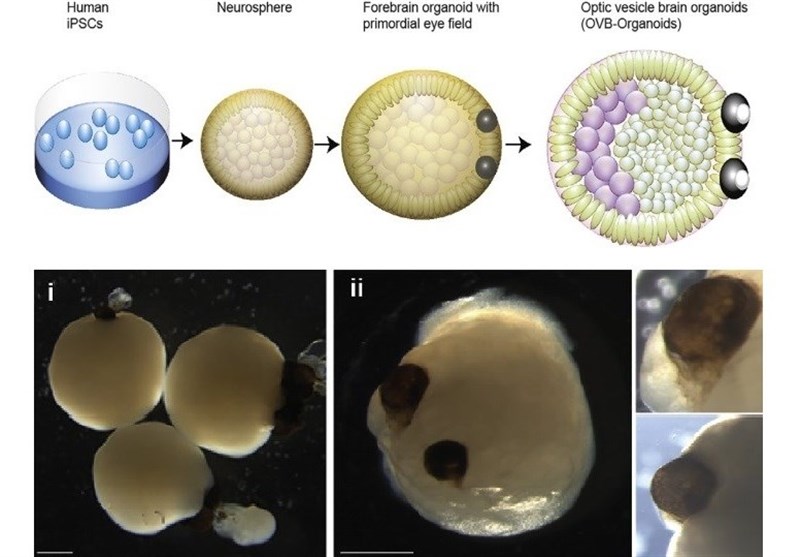
A few days ago I came across a post from Linkedln from Tuqa Mahdi taking about scientists growing "tiny brains in laboratories". At first it sounded like something pulled straight out of a sci-fi movie, but the more I looked in to it the more I realized its not really science fiction, at least not anymore.SO WHAT EXACTLY DID SCIENTISTS GROW?When people hear the phrase "scientists grew a brain" they often imagine a full and functioning brain floating into a glass container but that's not quite what exits today. Researchers instead grow something called a brain organoidThis brain organs is a tiny simplified model of brain tissue created from human stem cells. Stem cells are special because they can transform into many different type of cells inside the body. Scientists can guide these stem cells into becoming neurons and other brain related cells. Over time these cells begin organizing themselves into three-dimensional structures that resemble parts of a developing human brain. Most of the organoids are extremely small-often only a few centimeters wide many of these resemble a brain of a really stage fetal brain development rather than one of an adult. Even if they are tiny they can still do quite remarkable things: Mimic certain aspects of learning and memory, Form neuron activities, React to simulation.SO WHY EXACTLY ARE SCIENTISTS GROWING THESE BRAIN ORGANOIDS?The human brain is one of the most complex structures in existence. For decades neuroscientists struggled with a problem that it is extremely difficult to study living human brain tissue directly. Animal testing can only reveal part of the picture because human brains work differently from mouse or rat brains in many important ways.Brain organoids give researchers a new tool.Instead of experimenting on living people, scientists can observe miniature brain-like systems in controlled laboratory conditions. This can open the door to studying a lot of things such as: Alzheimer's disease, Parkinson's disease, Autism spectrum disorders, Epilepsy, Schizophrenia, Drug responses.Researchers can even grow organoids using cells from individual patients. That means future treatments could potentially become highly personalized.Imagine testing medication on a miniature version of a patient’s own neural tissue before prescribing it.THE BREAKTHROUGH THAT STARTED GETTING ATTENTION ONLINEIn recent years, several experiments pushed brain organoids into mainstream conversations.One of the biggest reasons people started posting about this topic online was because researchers discovered that some organoids were displaying surprisingly advanced neural behaviors. Scientist discovers thing such as: Rhythmic electrical signals similar to early human brain development, Early signs of adaptive learning, Basic memory related process. Researchers at Johns Hopkins recently reported evidence suggesting that certain organoids demonstrated the “building blocks” required for learning and memory. Another major development came from experiments where scientists connected organoids to computer systems through electrodes.These systems allowed the organoids to receive information and respond to stimuli. Some experiments even trained organoid systems to perform very basic computational tasks.That is where the phrase “organoid intelligence” started appearing.And yes — that phrase sounds like it belongs in a cyberpunk novel.ORGANOID INTELLIGENCE: BIOLOGY MEATS COMPUTINGOne of the most futuristic aspect in this field is the idea that biological neurons could eventually complement traditional computer chips. Today’s artificial intelligence systems run on silicon hardware. But biological brains are incredibly energy-efficient compared to modern computers. The human brain consumes roughly as much energy as a light bulb while outperforming even the most advanced AI systems in areas like adaptability, pattern recognition, and general learning. So we raise the question: What if scientists could harness living neural tissue for computing? Some companies and research labs are already exploring this possibility. Researchers have connected brain organoids to electrodes and digital systems to study how they process information.In some experiments, organoids learned to respond more effectively to repeated stimulation over time. One study even involved organoid systems improving performance on a simplified engineering task after receiving feedback.This does not mean scientists created conscious AI. However, it does suggest that living neural tissue may possess useful adaptive properties for future computing systems.NOW COULD SCIENTISTS EVER GROW A FULL HUMAN BRAIN?This is probably the question most people immediately ask. Technically speaking, modern science is nowhere near creating a complete conscious human brain in a lab.There are enormous limitations such as the fact that a living brain depends on: blood vessels, hormonal system, sensory imput, body interactions, immune system. Current organoids remain highly simplified. One major issue is that organoids often struggle to survive long-term because they lack full vascular systems capable of delivering oxygen and nutrients efficiently. Researchers are actively working on solving these problems. Some recent studies experimented with creating blood vessel-like structures inside organoids. Even so, scientists remain extremely far from building a complete human brain.AND SOME OF MY FINAL THOUGHTSThat LinkedIn post I saw initially sounded like clickbait. But after researching the topic more deeply, I realized the reality is actually more interesting than the headlines. Scientists are not secretly building fully conscious brains in underground laboratories. What they are doing is creating tiny brain-like systems that could revolutionize medicine, neuroscience, and computing. At the same time, these breakthroughs force humanity to confront questions we have never truly faced before.If biology can eventually merge with computation…If living neural systems can process information…If miniature brain tissue can learn and adapt…Then the boundaries between technology and life may become increasingly difficult to define. Whether this field ultimately becomes one of humanity’s greatest medical achievements or one of its most controversial scientific frontiers will depend not only on the technology itself, but on the ethical decisions society makes along the way.And honestly, that may be the most important part of the entire conversation.
We are called the prestatiegeneratie. VWO and Gymnasium students are expected to excel in eight subjects, build an impressive extracurricular resume, and maintain a flawless social life, all while deciding their entire academic future by age 17. The Netherlands historically prided itself on a relaxed "zesjescultuur" (a six-is-good-enough culture). But that era is dead. Today, research from the Trimbos-instituut reveals that approximately 1 in 3 Dutch youths suffer from severe performance pressure (Dopmeijer, n.d.). The pressure isn't just psychological. It is deeply, structurally biological. When academic stress becomes chronic, it actively alters the developing teenage brain.The HPA-Axis and the Exam HallWhen a student stares at a crucial final exam, the brain does not differentiate between the threat of a failing grade and the threat of a physical predator. The physiological alarm sounds.This alarm system is the Hypothalamic-Pituitary-Adrenal (HPA) axis. The hypothalamus secretes Corticotropin-Releasing Hormone (CRH), which signals the pituitary gland to release ACTH into the bloodstream. This eventually commands the adrenal glands to pump out the primary stress hormone: cortisol (Romeo, 2013). In short bursts, cortisol is a lifesaver. It sharpens focus, mobilizes glucose for energy, and helps you power through a difficult test.The problem with the prestatiegeneratie is that the stress never stops. Academic pressure is not a lion that chases you for ten minutes and then leaves. It is a constant, low-level hum of anxiety extending over years. This chronic activation breaks the HPA axis's negative feedback loop. The brain essentially forgets how to turn the alarm off.A Brain Under ConstructionThis chronic exposure to cortisol would be damaging to an adult, but for a Gymnasium student, it is uniquely toxic. The adolescent brain is highly plastic and still under heavy construction.During puberty, the brain develops back-to-front. The amygdala—the brain’s emotional processing and fear center—matures rapidly. However, the prefrontal cortex (PFC), which is responsible for rational decision-making, planning, and regulating those intense emotions, takes much longer to develop (Tottenham & Galván, 2016). The PFC is the part of the brain that is supposed to say, "Relax, it is just one math test, your life isn't over." But because the teenage PFC is still immature, the hyper-active amygdala takes the wheel.Furthermore, the developing adolescent brain is packed with a much higher density of stress hormone receptors than an adult brain (Tottenham & Galván, 2016). When you flood this highly sensitive, still-developing system with chronic cortisol for six years of high school, the neurobiological consequences are severe. Prolonged cortisol exposure actually shrinks the dendrites in the hippocampus (the brain's memory center), making learning harder—the exact opposite of what a stressed student needs. It also impairs the development of the PFC while reinforcing the neural pathways of fear and anxiety in the amygdala.We are not just burning out our youth psychologically. We are fundamentally rewiring their neurobiology for a lifetime of chronic stress.
In the medical world, nothing can really be compared to mental issues and psychological disorders, and this is sooner or later discovered by pretty much anyone who has got to understand medicine, even in its slightest. It is widely known that diseases which affect other parts of the body are most of the time curable or at least possible to be identified thanks to the patient’s sanity and collaboration with the medical experts – that, however, is not the case for many of the issues that target the brain. As the main organ in our body, essentially the pinnacle of the human power and identity, damaging it often brings horrific outcomes – the loss of one’s capacity to think or communicate, losing the sense of awareness and presence are many of the various well-known symptoms that shaped psychiatry into being probably one of the most disturbing medical fields to work in.This list, however, has another intention, and that is not to present the regular, common diseases that both doctors and medical professionals already have extensive experience with, such as schizophrenia or bipolar disorder – quite frankly, our today’s topic features the more peculiar, obscure and utterly horrific cases that haunted the medical field for quite some time – and for a good reason, as these are, as the title suggests, the rarest medical syndromes in the world. 1. Alice in Wonderland syndrome In order to properly understand why this syndrome got its funny name, we first must have a slight understanding of the novel’s topic: Alice in Wonderland explores the tale of a young girl that travels through a magical land, where time and space are distorted – therefore the effects are understandable – victims of this condition feature visual and reality distortions, which result in more than 60 different phenomena, from which we are going to mention the most important:- People and objects appear smaller (which is known as micropsia), and also the opposite way, with elements seeming bigger than in reality (this is called macropsia);- Other elements, including faces or whole bodies looking distorted (a phenomenon known as metamorphopsia);- Objects appearing closer than their actual distance is (this is named pelopsia), and the opposite effect, of objects looking farther than in reality (medically called teleopsia);- Hallucinating marked by seeing the same element or face many times (known as polyopia).Outside the visual distortions we mentioned above, patients also suffer from an altered perception of time and the feeling they are or detached from their own body and feelings (which is called depersonalization) or that they are disconnected from the external world (this is named derealization). All these symptoms appear in episodes that last about 30 minutes on average.The disturbing part of this condition is that an accurate incidence rate is currently unknown, which is especially because of the extremely low sickness rate – only about 150 cases in recorded medical history.The causing factors of this condition vary between multiple sources that specialists managed to identify. People at risk of this syndrome included those who already suffer from epilepsy, migraines, as well as other cerebrovascular or psychiatric disorders and also fevers and intoxication.While fever is commonly a source for the syndrome to arise in adults, children usually develop this condition in a different way – and that is encephalitis, specifically the type caused by the infection with the Epstein-Barr virus.Because the syndrome is only associated with underlaying causes and not a disease by its own, treatment varies from patient to patient, as it reflects the original developed condition. 2. Alien hand syndrome The alien hand syndrome stands out as one of the more unique entries onthis list, especially due to 2 important factors - the first one being the fact that this condition is manifested physically (in the limb), and the second being the mandatory past trauma for the disease to appear, rather than developing on a preexisting psychological disorder.While the effects of this condition may vary, symptoms mostly follow involuntary movement in one arm, often with no awareness or control. These movements include the limb grasping, lifting by itself, and even developing more complex patterns – such as undoing the action of the other hand – a phenomenon called intermanual conflict. In one peculiar case, a woman reported that her limb affected by Alien Hand syndrome tried to strangle her, however, this most likely not a reliable outcome to look after.What makes this syndrome hard to deal with outside the obvious suffering of the patients is also represented by the variety of possible causes for this condition. As we previously mentioned, Alien Hand syndrome appears after cerebral trauma – incidents like strokes, tumors, cerebral lesions and cerebral atrophy caused by neurodegenerative diseases are some examples of brain trauma that can (in very rare cases) lead to the condition.The most often cause, however, is a cerebral lesion, which is known to affect the right hemisphere and also the corpus callosum, that connects the two hemispheres. The frontal lobes are responsible with the voluntary and executive movements and actions, which means that damaging them can disrupt communication between the left and right hemispheres. This can result in one hand acting voluntarily, while the other one doesn’t.After studying the condition, some medical specialists are starting to considerate this syndrome as having 2 subtypes, each one with a different cause and effect:1) The first subtype is frontal, and is being caused by damage to the medial prefrontal cortex – this results in involuntary grasping and groping;2) The second subtype is callosal, which means the trauma is located at the corpus callosum – this is the subtype that is characterized by intermanual conflict.Recognizing the syndrome is also extremely important for the patient, as many other conditions can feel similar, although require completely different treatment. Similar diseases that share striking similarities can be:- movement disorders (such as Parkinson’s disease, chorea and also tics);- psychiatric disorders (including schizophrenia and depersonalization);- delusional disorders (in this case, the belief that one’s own limb is being controlled by someone else or not in their control).Treatment for Alien Hand syndrome can include both medication (such as botulinum toxin A and benzodiazepines), but also therapy – methods here vary from visuospatial coaching, cognitive-behavioral therapy (this reduces anxiety) and mirror box therapy (in which a mirror is placed between the hands, in order to trick the brain to view the reflected image as part of the body). 3. Capgras syndrome As the list goes on in depth and conditions become more and more obscure,a pattern that may become visible is the delusional factor between many of these following syndromes. In shorter terms, many of these diseases feature reality and sense distortion for the patients, which makes up for both the disturbing behavior of the ones affected and a difficult understanding on the condition by medical specialists. On of these syndromes is Capgras.Capgras is, like mentioned before, a delusion, in which one starts to strongly believe that a person they knew has been replaced with an identical imposter. While this is the main characteristic of the condition, other effects can be visible as well, including paranoia, aggressive behavior and also disorganized speech.As the theme of the list suggests, Capgras in extremely rare – as statistics indicate, only about 3% of the hospitalized psychosis patients also experience Capgras syndrome.While Capgras typically has higher chances of developing among people already affected by psychiatric conditions such as schizophrenia, schizoaffective disorder, and bipolar disorder, it can also arise in people that experienced cerebral trauma, similarly to the previously discussed Alien Hand syndrome. In this category we include people that suffered brain injuries, but also Alzheimer’s disease, different types of dementia and multiple sclerosis.Some researchers believe that Capgras is triggered by a disruption between the temporal lobe and limbic system – this damages the ability to recognize faces and associate them with emotions.Identifying Capgras among other conditions is crucial in order to determine a correct and effective treatment. Unfortunately, since so little is known about this condition, there is almost no research upon the effectiveness of different treating agents, although antipsychotic medication is usually effective at treating it. 4. Fregoli delusion Similarly to Capgras, Fregoli delusion also involves one’s strong beliefs regarding the false identity of someone, but with its unique twist. Unlike Capgras, that makes patients believe that an imposter replaced someone they knew, in Fregoli the situation is opposite – that a familiar person is disguising themselves as someone else, or even multiple people, in order to follow them.Fregoli is most common among those who already suffer from a psychotic disorder (which is most common schizophrenia), but also other conditions, such as a stroke, traumatic brain injury or a neurodegenerative disease. The cerebral lesions of Fregoli patients usually appear in the frontal lobe or on the right side of the brain.Treatment of the Fregoli delusion consists of antipsychotic medication (in the case of patients that developed the condition after a psychotic syndrome) and also cognitive-behavioral therapy. 5. Stendhal syndrome Stendhal syndrome features a very particular mental anomaly – and that is experiencing strong physical and emotional disturbances when viewing or interacting with art, or other beautiful, artistic elements.At first glance, the manifestation of this condition can feel bizarre and oddly specific, and quite frankly, the obscurity of the syndrome is also enhanced by the lack of diagnostic recognition. It is only thanks of the recent studies and medical reports that Stendhal became considered a distinct phenomenon. The symptoms vary extremely much, including episodes of increased heart rate, dizziness, fainting, epigastric pain, anxiety, euphoria and even exaltation. As you probably already figured out, the effects are mostly psychological and altogether relevant in the case of emotional distress. While concentrated forms of art such as galleries and museums are mostly known for causing this phenomenon, the beauty of nature is also recognized to being a triggering factor. Other possible triggers medical professionals suggested include repressed sexual drives, fatigue, sleep deprivation, the feeling of uncertainty or change in one’s life or even reaching the end of an important trip.For example, a well case of Standhal dates from 1817, when a French author experienced the condition after a trip to Florence, which resulted in the condition also being called Florence syndrome. Another name for the disease is hyperculturemia.A similar syndrome, called Jerusalem syndrome, also exists, in which the condition develops after the religious pilgrims finally reach their destination, the holy city. Medical experts actually explained that people who go on highly meaningful religious or personal trips as well as those with a history of mental illness share an increased risk to develop this syndrome, even though it is extremely rare as a whole.Scientists believe that the syndrome is caused by neurological processes that affect emotional processing, social situations and also introspection. In extreme cases of Stendhal, patients experience transient paranoid psychosis, disorientation, confusion and also strong anxiety that can lead to panic attacks – euphoria and exaltation are also possible symptoms, as mentioned previously. Treatment for the condition is determined after the patient’s history is available, in order to identify the highly variable syndrome correctly, among other disorders. Antipsychotics are used especially for patients that already have a psychotic disorder, although the episodes can also be resolved on their own. 6. Cotard delusion Continuing the list with one of the more disturbing entries, Cotard delusion brings in a phenomenon hard to comprehend at first – one’s feeling and strong belief that they have died. While syndromes range from rejecting one’s organs and feeling a sensation of decomposition to auditory and olfactory hallucinations, the most common way for people affected by the syndrome to express their condition is to simply state: “I am already dead.”Medically, this is known as a nihilistic delusion. The condition is also called Corpse Syndrome. Although most cases of Cotard are based on schizophrenia, the condition can also develop on other psychotic disorders, severe depression and bipolar disorders but also infections of the central nervous system, traumatic brain injuries, tumors or temporal lobe epilepsy – the last ones being possible physical damaging triggering factors, themed across some of the previously discussed syndromes as well, such as Capgras and Fregoli.The brain scans made on Cotard patients reveal that the condition may be caused by abnormalities in the frontal and temporal lobes – these are associated with functions such as self-awareness and the processing of reality. Treatment for Cotard is especially complex, with its blend of medication and therapy.Medication typically consists of antipsychotics – here we include olanzapine, clozapine, pramipexole and aripiprazole – these can be taken by themselves or complemented by antidepressants and mood stabilizers.Therapies that proved effectiveness are electroconvulsive therapy, but also behavioral and psychotherapies – however these have to be adapted depending on the patient. 7. Clinical Lycanthropy By “lycanthropy”, also known as shapeshifting, we understand the mythical power that allowed the man to transform into an animal, most commonly associated with a wolf or werewolf.As the name suggests, this condition makes the patient strongly believe that they can turn into an animal, any particular one. During episodes of hallucination, people affected are known to behave like animals and are sometimes even found hidden in forest areas or wild habitats.The condition itself is labeled as a type of delusional misidentification syndrome – this is strongly associated with psychotic disorders, but also depression or bipolar disorder.Because of this, treatment usually consists of antipsychotics, as it’s often effective, but antidepressants and mood stabilizers can also be administered, if other symptoms arise. 8. Depersonalization / Derealization disorder The conditions of depersonalization and derealization are heavily tied with the patient’s broken perspective on reality. People affected by this disorder often feel separated from their own bodies, even feeling that they are watching themselves. They can also believe elements around them and surroundings are not real and even the fact that time itself is distorted – either feeling slower or faster.Because the condition causes distress and anxiety over time, treatment includes a combination of medication and psychotherapy.However, it is highly important that the symptoms persist in order for the condition to be classified as the official syndrome. Doctors remind us that similar symptoms can also appear temporarily due to the effect of medication, drugs, and also other physical and mental health conditions. 9. Apotemnophilia This condition, also known as body integrity disorder, is a disturbing medical syndrome in which the one affected starts to feel an overwhelming desire to amputate healthy parts of their body.Despite the scary factor of the condition, little is actually known about it, although it is believed to be neurological, and may be linked to damage to the right parietal lobe.Treatment is difficult to be offered as many of the confirmed cases don’t seek medical attention, believing that amputating the desired part of the body is the right thing to do, leading to potential self-harm.However, when the patient is hospitalized, both cognitive behavioral therapy and aversion therapies are attempted in treating the condition. 10. Delusional parasitosis Also known as delusional infestation or the Ekbom syndrome, this severely disturbing condition features the unshakable belief of the affected person that their body is infested with bugs or other parasites.Syndromes are especially convincing for the patients – sensory hallucinations trigger extremely realistic sensations such as crawling, biting or stinging (which is medically called formication).Because the ones affected by the syndrome feel a desire to dig off whatever they think is crawling under their skin, physical wounds such as skin damage, ulcers and infections can also appear as a result of involuntarily self-harm. Although the syndrome can appear by itself, it can be also triggered by other conditions such as schizophrenia, dementia or depression. It can also develop from organic sources, including B12 deficiency, diabetes and drug use (especially cocaine and amphetamines). Treatment for the condition includes antipsychotic medication, as well as building a trusted relationship between the patient and specialists in order for the underlying psychological causes to be examined. In the end, we are left with the careful breakdown of these more than certainly overwhelming conditions. Some of them being more obscure and disturbing than the others on this list. However, at the end of the day, what we are left with are these peculiar cases, waiting to be understood, discovered and meticulously analyzed, for the love of the souls that fight them every single day, and for the love of the endless ocean of medical knowledge, some still waiting to be discovered by us… Sources: - https://www.clinicaladvisor.com/factsheets/rare-psychological-disorders-list/ - https://online.csp.edu/resources/article/10-rare-mental-health-conditions/ - https://en.wikipedia.org/wiki/Clinical_lycanthropy - https://my.clevelandclinic.org/health/diseases/9791-depersonalization-derealization-disorder - https://en.wikipedia.org/wiki/Delusional_parasitosis - https://pmc.ncbi.nlm.nih.gov/articles/PMC10871419/ - https://www.health.wa.gov.au/~/media/Files/Corporate/general-documents/Mosquitoes/PDF/160509_sn1a_DI-HiRes-final-for-the-web.pdf - https://www.healthline.com/health/mental-health/delusional-parasitosis
Every year on May 10, people around the world recognize World Lupus Day, a time dedicated to increasing awareness and understanding of a complex and often misunderstood disease: Lupus.Lupus is a chronic autoimmune condition, which means the body’s immune system mistakenly attacks its own healthy tissues. This can lead to inflammation and damage in different parts of the body, including the skin, joints, kidneys, heart, and brain. Because it affects people in different ways, lupus is often called “the disease of a thousand faces.”One of the challenges of lupus is that its symptoms can vary widely and may come and go. Common signs include extreme fatigue, joint pain, skin rashes (especially a butterfly-shaped rash across the cheeks and nose), and sensitivity to sunlight. These symptoms can sometimes mimic other illnesses, making lupus difficult to diagnose.Although anyone can develop lupus, it most commonly affects women, particularly between the ages of 15 and 45. While there is currently no cure, advances in treatment have made it possible for many people with lupus to manage their symptoms and live active lives. Treatment often includes medications to reduce inflammation and regulate the immune system, along with lifestyle adjustments such as stress management and proper rest.By sharing information and raising awareness, we can help ensure that lupus is better understood and that those affected receive the attention and care they deserve. On May 10, take a moment to learn, share, and support the fight against lupus.
Our most recent webinar marked an important milestone for our club, and we’re pleased to share that it was a truly rewarding experience for everyone involved! Bringing together high school students from different grades in a virtual setting allowed us to continue fostering learning, collaboration, and growth, values that remain at the heart of our club.The session itself was engaging and insightful, covering different cases that sparked thoughtful discussion and participation. What stood out most, however, was the quality of interaction throughout the event. Attendees asked insightful questions, shared perspectives, and contributed to a dynamic exchange of ideas that extended beyond the presentation itself.The feedback we received afterward has been overwhelmingly positive. Participants highlighted the clarity of the content, and the smooth organization of the webinar. Many also expressed appreciation for the opportunity to connect with peers in such an accessible format. This kind of response reinforces that we are moving in the right direction as a club!We are especially encouraged by how well this webinar format was received. It opens up new possibilities for reaching a wider audience, inviting diverse speakers, and continuing to deliver high-quality educational experiences without the limitations of physical location.Overall, we are very happy to have organized this webinar and grateful to everyone who contributed to its success; whether by attending or presenting. This positive experience motivates us to continue exploring similar initiatives in the future.Stay tuned for more events as we build on this momentum and keep advancing our shared mission in the medical field!!
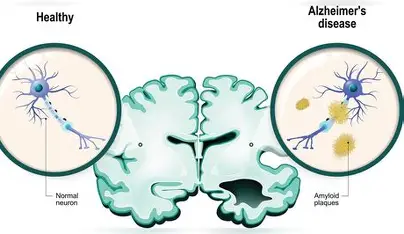
Alzheimer’s Disease – Everything You Need to KnowDisclaimer:As a student passionate about biomedicine, this article is a compilation of information from reputable sources. It is intended for educational purposes only.What is Alzheimer’s Disease?Alzheimer’s disease is one of the most serious and widespread neurological disorders in the world. It is a progressive brain disease that affects memory, thinking, and behavior, eventually interfering with a person’s ability to carry out daily activities. It is also the most common cause of dementia, accounting for the majority of cases globally.Alzheimer’s disease is a degenerative brain disorder that gradually destroys brain cells (neurons) and the connections between them. Over time, this leads to a significant loss of brain function and brain mass. The disease usually develops in older adults and progresses slowly over several years. It was first described in 1906 by neurologist Alois Alzheimer.Causes and Brain ChangesThe exact cause of Alzheimer’s disease is not fully understood, but it is believed to result from a combination of genetic, environmental, and lifestyle factors.At a biological level, Alzheimer’s is characterized by two abnormal structures in the brain:->Amyloid plaques – clumps of beta-amyloid protein that disrupt communication between brain cells->Neurofibrillary tangles – twisted fibers of tau protein that damage the internal structure of neuronsThese changes cause neurons to lose function, die, and eventually lead to brain shrinkage.SymptomsThe most common early symptom is memory loss, especially forgetting recent conversations or events.As the disease progresses, symptoms become more severe and include:Cognitive symptoms->Difficulty thinking, concentrating, and making decisions->Problems with language and finding the right words->Confusion about time and placeBehavioral and emotional symptoms->Mood swings and depression->Social withdrawal->Personality changes (anger, distrust, aggression)Functional difficulties->Trouble performing everyday tasks (cooking, dressing, managing money)->Getting lost in familiar placesIn advanced stages, patients may lose the ability to communicate, move, or care for themselves.Stages of Alzheimer’s DiseaseAlzheimer’s disease develops gradually in three main stages:1. Preclinical stage – brain changes begin before symptoms appear2. Mild cognitive impairment (MCI) – noticeable memory problems, but daily functioning is still possible3. Dementia stage – severe cognitive decline affecting daily lifeThe disease can last anywhere from 2 to 20 years, depending on the individual.Risk FactorsSeveral factors increase the likelihood of developing Alzheimer’s disease:->Age – the most important risk factor->Genetics and family history->Head injuries->Cardiovascular problems (high blood pressure, cholesterol, diabetes)->Poor lifestyle habits (lack of exercise, smoking, alcohol abuse)->Sleep disorders and social isolationAlthough age is the strongest risk factor, Alzheimer’s is not a normal part of aging.DiagnosisDiagnosing Alzheimer’s disease involves multiple steps:->Medical history and symptom evaluation->Memory and cognitive tests->Brain imaging (such as MRI or PET scans)->Biomarker tests (detecting amyloid and tau proteins)Modern diagnostic techniques allow doctors to detect the disease earlier than in the past.TreatmentThere is currently no cure for Alzheimer’s disease, but treatments can help manage symptoms and slow progression.Medications->Cholinesterase inhibitors (donepezil, rivastigmine, galantamine) – improve communication between brain cells->Memantine – regulates brain activity and may improve cognitionSupportive care->Managing depression, anxiety, and sleep problems->Providing structured routines and caregiver support->Prevention and LifestyleAlthough Alzheimer’s cannot be completely prevented, certain lifestyle changes may reduce the risk:->Regular physical exercise->Healthy diet (especially Mediterranean diet)->Mental stimulation and lifelong learning->Social engagement->Controlling cardiovascular risk factors (blood pressure, cholesterol, diabetes)ComplicationsIn advanced stages, Alzheimer’s can lead to serious health problems such as:->Infections (e.g., pneumonia)->Malnutrition and dehydration->Loss of mobility->Difficulty swallowingThese complications are often the cause of death in patients with Alzheimer’s disease.ConclusionAlzheimer’s disease is a complex and devastating condition that affects millions of people worldwide. It progressively damages memory, thinking, and independence, deeply impacting both patients and their families. While there is no cure yet, early diagnosis, proper treatment, and a healthy lifestyle can help slow its progression and improve quality of life.Understanding this disease is essential not only for those affected but also for society as a whole, as the number of cases continues to grow with the aging population.SourcesMayo Clinic. “Alzheimer’s Disease.” Mayo Clinic, 2025.https://www.mayoclinic.org/diseases-conditions/alzheimers-disease/symptoms-causes/syc-20350447Encyclopaedia Britannica. “Alzheimer Disease.” Britannica, 2025.https://www.britannica.com/science/Alzheimer-diseaseInstitutul Brain Map. “Boala Alzheimer – simptome, cauze și tratament.” Institutul Brain Map, 2025.https://institutulbrainmap.ro/boala-alzheimer-simptome-cauze-si-tratament/MedLife. “Alzheimer: cauze, simptome și tratament.” MedLife, 2025.https://www.medlife.ro/glosar-medical/afectiuni-medicale/alzheimer-cauze-simptome-tratament
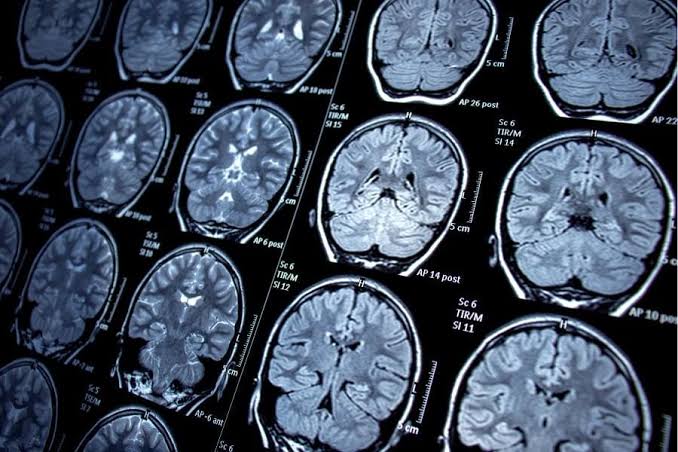
Parkinson’s disease is a progressive neurological disorder that primarily affects movement, but its impact extends far beyond motor control. First described in 1817 by the British physician James Parkinson, the condition has since become one of the most studied neurodegenerative diseases in the world. Despite extensive research, it remains incurable, though treatments can significantly improve quality of life. Understanding Parkinson’s disease requires examining its causes, symptoms, progression, and the ongoing efforts to manage and eventually cure it.At its core, Parkinson’s disease is caused by the gradual degeneration of neurons in a specific area of the brain called the substantia nigra. These neurons are responsible for producing dopamine, a neurotransmitter that plays a crucial role in coordinating movement and emotional responses. As dopamine levels decline, the brain’s ability to regulate movement becomes impaired, leading to the hallmark symptoms of the disease.While the exact cause of neuronal degeneration is not fully understood, a combination of genetic and environmental factors is believed to contribute.The symptoms of Parkinson’s disease are typically divided into:- Motor symptoms include tremors, muscle rigidity, slowness of movement (bradykinesia), and impaired balance or posture. Tremors often begin in one hand or limb and may spread as the disease progresses. Muscle stiffness can make everyday tasks, such as walking or dressing, increasingly difficult. Over time, patients may develop a shuffling gait and experience frequent falls.- Non-motor symptoms can be equally, if not more, debilitating. These include depression, anxiety, sleep disturbances, cognitive decline, and autonomic dysfunction (such as problems with blood pressure regulation or digestion).The progression of Parkinson’s disease varies widely among individuals. In its early stages, symptoms may be mild and barely noticeable. As the disease advances, symptoms become more pronounced and can significantly interfere with daily life. In later stages, patients may require assistance with basic activities such as eating, bathing, and walking. Diagnosis of Parkinson’s disease is primarily clinical, meaning it is based on medical history and physical examination rather than a definitive laboratory test. Neurologists look for characteristic symptoms and may use imaging techniques to rule out other conditions. Early and accurate diagnosis is essential for effective management, although it can be challenging in the initial stages.Treatment for Parkinson’s disease focuses on managing symptoms, as there is currently no cure. The most commonly used medication is levodopa, which is converted into dopamine in the brain and helps alleviate motor symptoms. Other medications, such as dopamine agonists, are also used to enhance dopamine function. While these treatments can be highly effective, their benefits may diminish over time, and long-term use can lead to side effects such as involuntary movements. In addition to medication, non-pharmacological approaches play a vital role in managing the disease. Physical therapy can help maintain mobility and balance, while occupational therapy assists patients in adapting to daily challenges. Speech therapy may be necessary for those experiencing difficulties with communication or swallowing. Regular exercise has been shown to improve both motor and non-motor symptoms, highlighting the importance of an active lifestyle.Research into Parkinson’s disease is ongoing and multifaceted. Scientists are exploring the underlying mechanisms of neuronal degeneration, including the role of protein misfolding and inflammation. Advances in genetics have identified several genes associated with an increased risk of developing the disease. Additionally, researchers are investigating potential disease-modifying therapies that could slow or halt progression, rather than simply treating symptoms.One promising area of research involves stem cell therapy, which aims to replace damaged neurons with healthy ones. Another focuses on developing drugs that target alpha-synuclein, a protein that accumulates abnormally in the brains of individuals with Parkinson’s disease. While these approaches are still largely experimental, they offer hope for more effective treatments in the future.Living with Parkinson’s disease presents significant physical, emotional, and social challenges. Patients often require strong support systems, including family, caregivers, and healthcare professionals. Education and awareness are essential for reducing stigma and ensuring that individuals receive appropriate care and understanding.Parkinson’s disease is a complex and multifaceted condition that affects millions of people worldwide. Although it is primarily known for its impact on movement, its effects are far-reaching and deeply influence quality of life. While current treatments can manage symptoms effectively, the search for a cure continues. Ongoing research and advances in medical science provide hope that one day, Parkinson’s disease may be not only treatable but preventable or even curable.
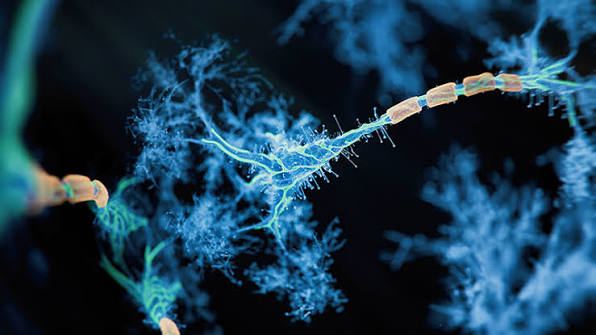
“Disease is very old, and nothing about it has changed. It is we who change as we learn to recognize what was formerly imperceptible.” - Jean-Martin Charcot. In 1868, a mysterious neurological condition finally received a name. The French neurologist Jean-Martin Charcot described and classified a disease he called la sclérose en plaques. Often regarded as the “Father of Neurology”, Charcot was the first to recognize this disorder as a distinct medical entity. The condition would later become known in English medical literature as Multiple Sclerosis (MS) [1]. Yet the story of MS did not begin with Charcot. Descriptions resembling the disease appear in medical writings dating as far back as the Middle Ages. What had been missing, however, was the scientific framework needed to connect symptoms observed in living patients with structural changes in the nervous system. The nineteenth century brought exactly that shift: physicians began pairing clinical observation with pathological anatomy. This methodological breakthrough allowed Charcot to link patients’ neurological symptoms with distinctive lesions - scattered sclerotic plaques - found in the brain and spinal cord during post-mortem examination [2][3]. From these observations emerged what is now known as Charcot’s triad, a set of hallmark symptoms that helped physicians recognize the disease. These include nystagmus, involuntary rhythmic eye movements; intention tremor, which appears during voluntary motion; and scanning speech, a distinctive form of dysarthria in which words are pronounced slowly and broken into syllables. Modern neuroscience has greatly expanded upon Charcot’s early insights. Today, multiple sclerosis is understood as a chronic autoimmune, neuroinflammatory, and neurodegenerative disorder affecting the central nervous system (CNS) [4]. Although decades of research have significantly advanced our knowledge, the precise causes of MS remain complex and not fully understood. What is clear, however, is the central role of demyelination - the destruction of the myelin sheath, the insulating layer that surrounds nerve fibers in the white matter of the brain and spinal cord [5]. Because myelin enables rapid and efficient electrical signaling between neurons [6], its degradation disrupts communication within the nervous system and can lead to a wide range of neurological symptoms, including impaired motor control. Historically, identifying MS was far from straightforward. The disease’s polymorphic presentation often led physicians to confuse it with other neurological conditions, particularly Parkinson’s disease, which had been described decades earlier under the name paralysis agitans. Both disorders could involve tremors and motor disturbances, making differentiation difficult. One of Charcot’s earliest and most influential cases involved his female servant, Luc, who had initially been diagnosed with shaking palsy. Through careful observation, Charcot noticed something unusual about her symptoms. Unlike Parkinsonian tremors, which occur continuously, Luc’s tremors appeared primarily during intentional movements. This subtle difference raised an important question: was this truly the same disease? The answer emerged after Luc’s death. During the post-mortem examination of her brain and spinal cord, Charcot identified distinctive sclerotic plaques distributed throughout the central nervous system. These lesions confirmed that the disorder he was observing was not Parkinson’s disease, but a separate and previously unrecognized neurological pathology [3]. Much of this pioneering work took place at the Hôpital de la Salpêtrière in Paris, where Charcot worked alongside his colleague Alfred Vulpian. Together, they helped define multiple sclerosis as a distinct clinical entity. Their early observations highlighted the severe prognosis associated with the disease and the widespread lesions found throughout the nervous system - features that remain central to MS diagnosis today. They also recognized something that continues to challenge neurologists even now: MS rarely presents the same way twice. Because lesions can appear in different regions of the central nervous system - spinal, cerebral, or both - the symptoms can vary widely between patients. This variability is one of the defining characteristics of multiple sclerosis and remains a key challenge in both diagnosis and treatment. These early discoveries laid the foundation for more than a century of neurological research. From Charcot’s first observations of mysterious plaques in the nervous system to today’s advanced imaging techniques and molecular studies, our understanding of multiple sclerosis has evolved tremendously. Yet many questions remain unanswered. Despite significant therapeutic progress, MS continues to be an incurable and highly complex disease. Understanding its mechanisms - from immune dysregulation to demyelination and neurodegeneration - remains one of the central challenges of modern neuroscience, and a crucial step toward developing treatments that can not only slow the disease but ultimately repair the damage it causes. Bibliography: 1. B. Zalc. One hundred and fifty years ago Charcot reported multiple sclerosis as a new neurological disease. Brain. Vol. 141, Issue 12, pg. 3482-3488, 2018, https://pmc.ncbi.nlm.nih.gov/articles/PMC6262215/. 2. Harvard Medical School Library - Countway Library of Medicine. Medical treatment in the nineteenth-century. Apothecary Jars Exhibit, https://collections.countway.harvard.edu/onview/exhibits/show/apothecary-jars/nineteenth-century-treatment. 3. Z. G. Reyes. Sclérose en Plaques: A Tribute to the History of Multiple Sclerosis and Charcot’s Role in Precision Medicine Today. American Academy of Neurology Medical Student Essay Award. 2023, https://www.aan.com/siteassets/home-page/education-and-research/research/award-winners/scientific-award-winners/2023-winners/reyes_zabrina_medical_student_essay.pdf. 4. A. H. Maghzi, A. Borazanci, J. McGee, J. S. Alexander, E. Gonzalez-Toledo, A. Minagar. 1 - Multiple Sclerosis: Pathophysiology, Clinical Features, Diagnosis, and Management. Neuroinflammation. pg. 1-23, 2011, https://www.sciencedirect.com/science/chapter/edited-volume/abs/pii/B9780123849137000010?via%3Dihub. 5. J. M. Greer, P. A. McCombe. Role of gender in multiple sclerosis: Clinical effects and potential molecular mechanisms. Journal of Neuroimmunology, vol. 234, issues 1-2, pg. 7-18, 2011, https://www.sciencedirect.com/science/article/abs/pii/S0165572811000658. 6. P. Morell, W. T. Norton. Myelin. Scientific American, vol. 242, no.5 (May 1980), pg. 88-119, https://www.jstor.org/stable/24966326.
What Is Sunscreen? Sunscreen is a product applied to the skin to safeguard it from the sun’s harmful rays. It works by blocking or reducing ultraviolet (UV) radiation so that it does not damage the skin. The sun emits UV radiation, an invisible type of light that can be harmful. Two types are particularly important: UVB and UVA rays. UVB rays cause sunburn and contribute to skin cancer, while UVA rays affect deeper skin layers, leading to skin aging, such as wrinkles and dark spots, and also contribute to skin diseases. Most sunscreen products display an SPF number, which indicates how well they protect the skin against UVB rays. Although no sunscreen can block all UV radiation, proper use provides significant protection and helps prevent sunburn and skin damage. Why Is Sunscreen Important? Sunscreen helps prevent sunburn and preserve the integrity of the skin. In addition, it reduces the risk of skin cancer and slows down premature skin aging, making it an essential part of daily skin care. Strategies to Reduce Sun Damage To diminish sun-related skin damage, it is recommended to use a broad-spectrum sunscreen with an SPF of at least 30, applied 15–30 minutes before sun exposure. It is essential to reapply every two hours and ensure that all exposed areas, including the face, ears, neck, hairline, and arms, are covered. Combining sunscreen with protective clothing, hats, and seeking shade further enhances skin protection.
Many important medical discoveries were made thanks to chance, curiosity, and careful observation. In some cases, scientists did not get the results they expected, but instead of ignoring them, they chose to investigate further. These moments changed the course of medicine. One of the most famous examples is penicillin. In 1928, Alexander Fleming noticed that a mold called Penicillium had grown in one of his Petri dishes and killed the bacteria around it. Although this happened by accident, Fleming understood its importance. This discovery later led to the development of antibiotics, which have saved millions of lives by treating bacterial infections. Another important discovery is related to anticoagulants. Chemist Karl Paul Link began studying cases in which cattle were bleeding without an obvious reason after eating moldy clover. His research helped identify substances that prevent blood from clotting. Even though these substances were first used as rat poison, they were later adapted for medical use and are now essential in treating heart diseases and preventing strokes. Some medical inventions were also the result of technical mistakes. The pacemaker is a good example. While early versions were created by Rune Elmqvist and Åke Senning, Wilson Greatbatch later improved the device after accidentally building an incorrect electrical circuit. He realized that the device could control heartbeats. In 1960, the first pacemaker was successfully implanted in a human patient, helping people with heart rhythm problems live longer lives. Another major breakthrough in medicine was anesthesia. In the 19th century, Horace Wells observed that substances such as nitrous oxide and ether could reduce pain. Although his early attempts at painless dental procedures were not successful, the idea continued to develop. William Morton later proved that anesthesia worked, making modern surgery possible and greatly reducing pain during medical procedures. These examples show that progress in medicine does not always come from perfect planning, but often from curiosity and the ability to learn from unexpected situations.