Parkinson's Disease
Parkinson’s disease is a progressive neurological disorder that primarily affects movement, but its impact extends far beyond motor control. First described in 1817 by the British physician James Parkinson, the condition has since become one of the most studied neurodegenerative diseases in the world. Despite extensive research, it remains incurable, though treatments can significantly improve quality of life. Understanding Parkinson’s disease requires examining its causes, symptoms, progression, and the ongoing efforts to manage and eventually cure it.
At its core, Parkinson’s disease is caused by the gradual degeneration of neurons in a specific area of the brain called the substantia nigra. These neurons are responsible for producing dopamine, a neurotransmitter that plays a crucial role in coordinating movement and emotional responses. As dopamine levels decline, the brain’s ability to regulate movement becomes impaired, leading to the hallmark symptoms of the disease.
While the exact cause of neuronal degeneration is not fully understood, a combination of genetic and environmental factors is believed to contribute.
The symptoms of Parkinson’s disease are typically divided into:
- Motor symptoms include tremors, muscle rigidity, slowness of movement (bradykinesia), and impaired balance or posture. Tremors often begin in one hand or limb and may spread as the disease progresses. Muscle stiffness can make everyday tasks, such as walking or dressing, increasingly difficult. Over time, patients may develop a shuffling gait and experience frequent falls.
- Non-motor symptoms can be equally, if not more, debilitating. These include depression, anxiety, sleep disturbances, cognitive decline, and autonomic dysfunction (such as problems with blood pressure regulation or digestion).
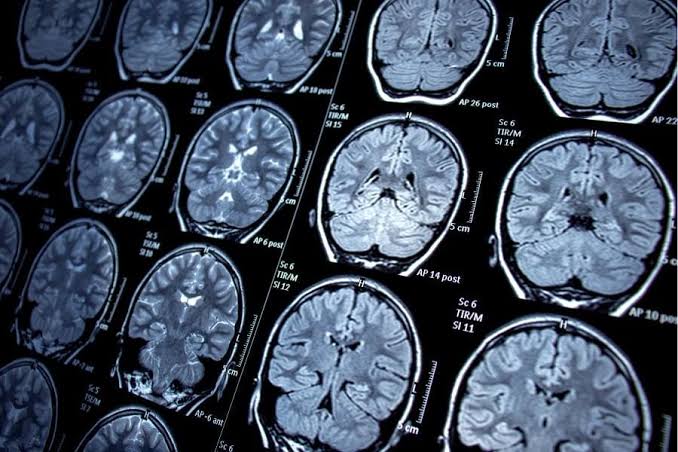
The progression of Parkinson’s disease varies widely among individuals. In its early stages, symptoms may be mild and barely noticeable. As the disease advances, symptoms become more pronounced and can significantly interfere with daily life. In later stages, patients may require assistance with basic activities such as eating, bathing, and walking. Diagnosis of Parkinson’s disease is primarily clinical, meaning it is based on medical history and physical examination rather than a definitive laboratory test. Neurologists look for characteristic symptoms and may use imaging techniques to rule out other conditions. Early and accurate diagnosis is essential for effective management, although it can be challenging in the initial stages.
Treatment for Parkinson’s disease focuses on managing symptoms, as there is currently no cure. The most commonly used medication is levodopa, which is converted into dopamine in the brain and helps alleviate motor symptoms. Other medications, such as dopamine agonists, are also used to enhance dopamine function. While these treatments can be highly effective, their benefits may diminish over time, and long-term use can lead to side effects such as involuntary movements. In addition to medication, non-pharmacological approaches play a vital role in managing the disease. Physical therapy can help maintain mobility and balance, while occupational therapy assists patients in adapting to daily challenges. Speech therapy may be necessary for those experiencing difficulties with communication or swallowing. Regular exercise has been shown to improve both motor and non-motor symptoms, highlighting the importance of an active lifestyle.
Research into Parkinson’s disease is ongoing and multifaceted. Scientists are exploring the underlying mechanisms of neuronal degeneration, including the role of protein misfolding and inflammation. Advances in genetics have identified several genes associated with an increased risk of developing the disease. Additionally, researchers are investigating potential disease-modifying therapies that could slow or halt progression, rather than simply treating symptoms.
One promising area of research involves stem cell therapy, which aims to replace damaged neurons with healthy ones. Another focuses on developing drugs that target alpha-synuclein, a protein that accumulates abnormally in the brains of individuals with Parkinson’s disease. While these approaches are still largely experimental, they offer hope for more effective treatments in the future.
Living with Parkinson’s disease presents significant physical, emotional, and social challenges. Patients often require strong support systems, including family, caregivers, and healthcare professionals. Education and awareness are essential for reducing stigma and ensuring that individuals receive appropriate care and understanding.
Parkinson’s disease is a complex and multifaceted condition that affects millions of people worldwide. Although it is primarily known for its impact on movement, its effects are far-reaching and deeply influence quality of life. While current treatments can manage symptoms effectively, the search for a cure continues.
Ongoing research and advances in medical science provide hope that one day, Parkinson’s disease may be not only treatable but preventable or even curable.
Stay Informed
Join our community of medical professionals and researchers. Get the latest insights delivered to your inbox.