Bathing in Cortisol: The Neurobiology of the Dutch 'Prestatiegeneratie' (performance generation)
We are called the prestatiegeneratie. VWO and Gymnasium students are expected to excel in eight subjects, build an impressive extracurricular resume, and maintain a flawless social life, all while deciding their entire academic future by age 17. The Netherlands historically prided itself on a relaxed "zesjescultuur" (a six-is-good-enough culture). But that era is dead. Today, research from the Trimbos-instituut reveals that approximately 1 in 3 Dutch youths suffer from severe performance pressure (Dopmeijer, n.d.). The pressure isn't just psychological. It is deeply, structurally biological. When academic stress becomes chronic, it actively alters the developing teenage brain.
The HPA-Axis and the Exam Hall
When a student stares at a crucial final exam, the brain does not differentiate between the threat of a failing grade and the threat of a physical predator. The physiological alarm sounds.
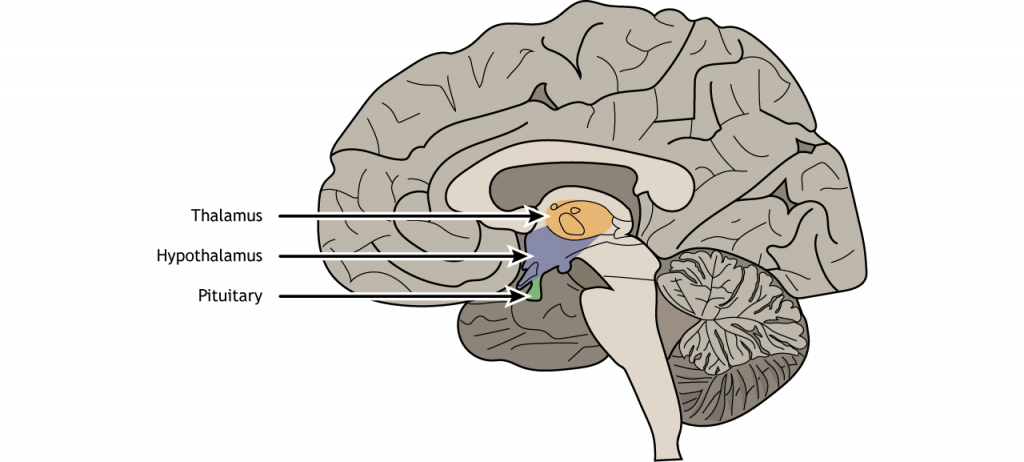
This alarm system is the Hypothalamic-Pituitary-Adrenal (HPA) axis. The hypothalamus secretes Corticotropin-Releasing Hormone (CRH), which signals the pituitary gland to release ACTH into the bloodstream. This eventually commands the adrenal glands to pump out the primary stress hormone: cortisol (Romeo, 2013). In short bursts, cortisol is a lifesaver. It sharpens focus, mobilizes glucose for energy, and helps you power through a difficult test.
The problem with the prestatiegeneratie is that the stress never stops. Academic pressure is not a lion that chases you for ten minutes and then leaves. It is a constant, low-level hum of anxiety extending over years. This chronic activation breaks the HPA axis's negative feedback loop. The brain essentially forgets how to turn the alarm off.
A Brain Under Construction
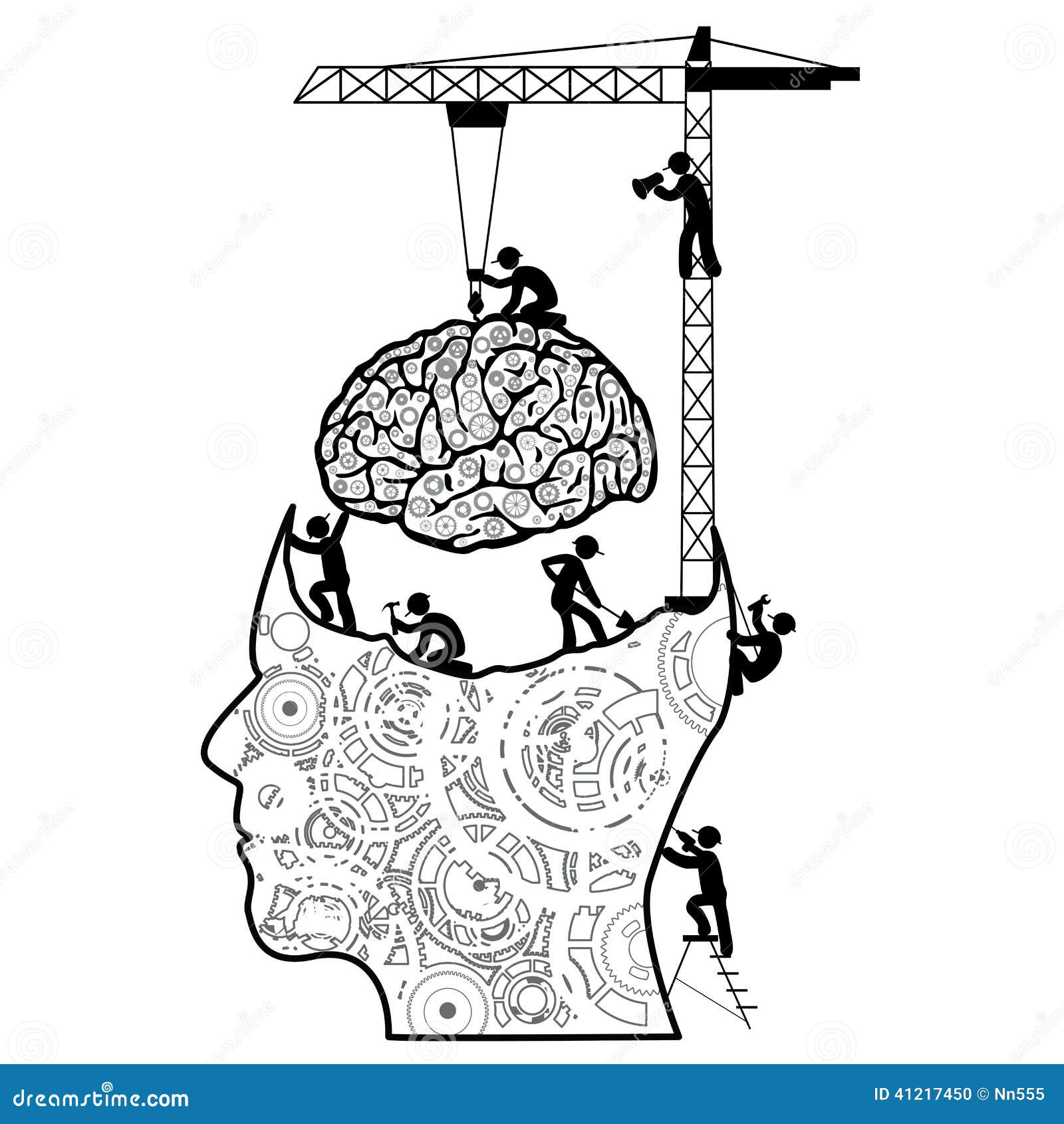
This chronic exposure to cortisol would be damaging to an adult, but for a Gymnasium student, it is uniquely toxic. The adolescent brain is highly plastic and still under heavy construction.
During puberty, the brain develops back-to-front. The amygdala—the brain’s emotional processing and fear center—matures rapidly. However, the prefrontal cortex (PFC), which is responsible for rational decision-making, planning, and regulating those intense emotions, takes much longer to develop (Tottenham & Galván, 2016). The PFC is the part of the brain that is supposed to say, "Relax, it is just one math test, your life isn't over." But because the teenage PFC is still immature, the hyper-active amygdala takes the wheel.
Furthermore, the developing adolescent brain is packed with a much higher density of stress hormone receptors than an adult brain (Tottenham & Galván, 2016). When you flood this highly sensitive, still-developing system with chronic cortisol for six years of high school, the neurobiological consequences are severe. Prolonged cortisol exposure actually shrinks the dendrites in the hippocampus (the brain's memory center), making learning harder—the exact opposite of what a stressed student needs. It also impairs the development of the PFC while reinforcing the neural pathways of fear and anxiety in the amygdala.
We are not just burning out our youth psychologically. We are fundamentally rewiring their neurobiology for a lifetime of chronic stress.
Stay Informed
Join our community of medical professionals and researchers. Get the latest insights delivered to your inbox.