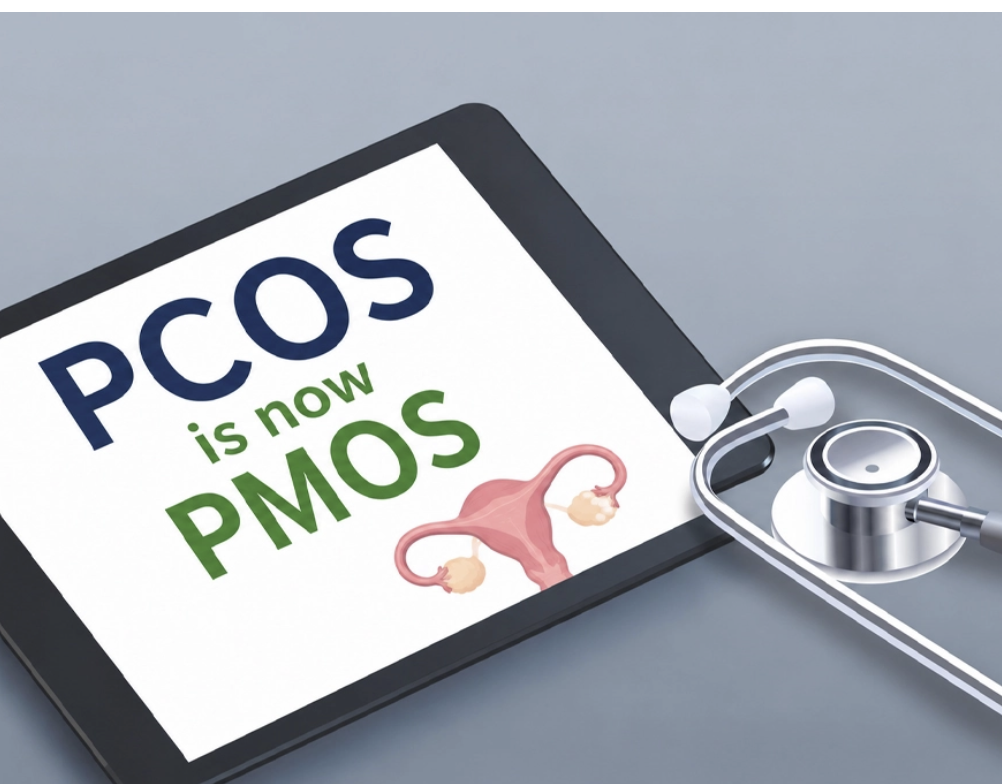
Why the Shift from PCOS to PMOS?
If you're one of the more than 170 million women worldwide that have been told they have PCOS (Polycystic Ovary Syndrome), you might be interested in what I'm about to tell you!
On the 12th of May 2026, The Lancet published a massive global consensus. After over a decade of advocacy, research, and pushing by patients and doctors, the name PCOS is officially being retired.
Say hello to PMOS: Polyendocrine Metabolic Ovarian Syndrome.
This isn't just medical jargon or a boring textbook update. It is a massive, historic victory for how women’s bodies are understood and treated. Here is why this name change is going to change lives.
The Biggest Misconception : There are No Cysts!
Let's start with the most frustrating part of the old name. For decades, the word "polycystic" made people think they had dangerous, exploding cysts on their ovaries. But biologically, that's completely wrong. The "cysts" seen on ultrasounds are actually just antral follicles; perfectly normal, tiny fluid-filled sacs that contain immature eggs. Because of hormonal imbalances, the body just gets confused, and ovulation gets paused. The eggs get stuck in their early development stages, leading to a high volume of these follicles (20 or more).
Calling it an ovarian cyst disease did two really damaging things:
1. It made people think it was just a "reproductive issue" you only need to worry about when you want to get pregnant.
2. It completely ignored everything else happening in the rest of the body, leading to missed diagnoses, given treatment you might not even need, and years of frustration.
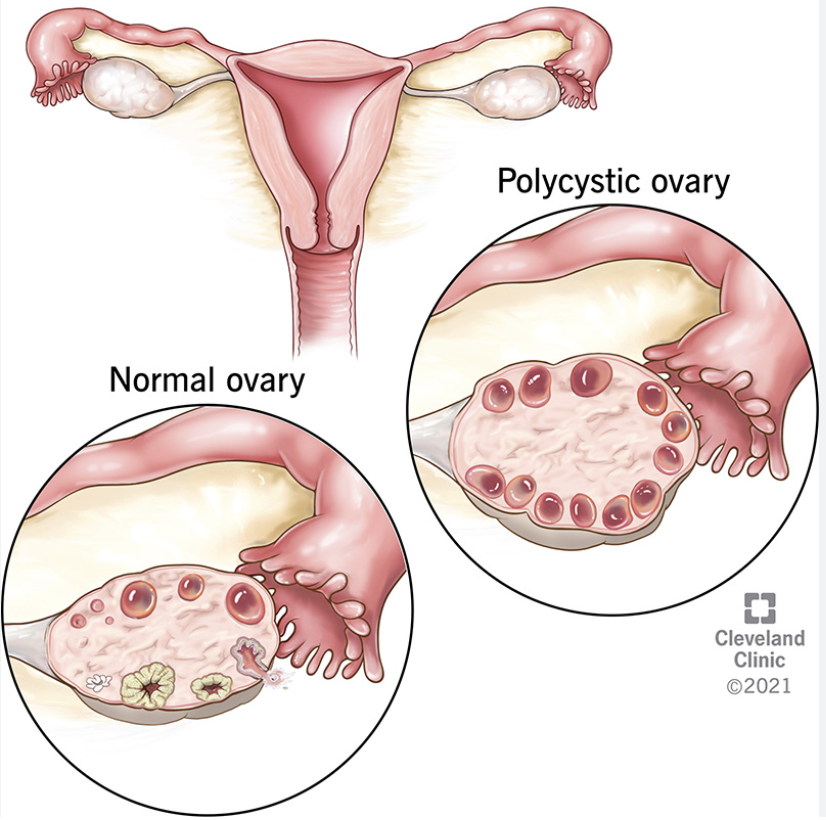
Breaking Down PMOS: Why the New Name Actually Makes Sense
The new name, PMOS, finally looks at the whole picture. It’s broken down into three pillars that perfectly describe what’s actually going on:
1. Polyendocrine (The Hormone Chaos)
"Poly" means many, and "endocrine" refers to your hormones. This acknowledges that the condition isn't just about estrogen or progesterone. It’s a complex web involving high androgens (like testosterone) and messed-up signaling between the brain and the ovaries.
2. Metabolic (The Missing Piece)
This is the absolute most important change. Including "metabolic" finally forces the medical world to recognize that this condition is deeply tied to insulin resistance. This isn't just about irregular periods; it carries lifelong risks for:
- Type 2 diabetes
- Cardiovascular issues and high blood pressure
- Metabolic syndrome
3. Ovarian (The Effect, Not the Cause)
The ovaries are still in the name because, yes, irregular cycles and fertility struggles are a major part of the experience. But now, the ovaries are recognized as being affected by the systemic hormone and metabolic issues, rather than being the root cause of the entire problem.
What Actually Causes PMOS?
If you have it, it is not your fault. Here is what is actually going on under the hood:
- Insulin Resistance: This is the big one. Your cells stop responding properly to insulin, so your pancreas pumps out way too much of it to compensate. Here is the kicker: high levels of insulin actively signal your ovaries to produce too much testosterone.
- Low-Grade Inflammation: People with PMOS often have chronic, low-grade inflammation. This stimulates polycystic ovaries to produce androgens, which further drives the metabolic cycle.
- Genetics: If your mom, sister, or aunt has PMOS (or Type 2 diabetes), your chances of having it are much higher. Certain genes are heavily linked to how your body processes hormones and insulin.
- Androgen Excess: The ovaries produce abnormally high levels of male hormones (androgens), which throws off the delicate feedback loop between your brain's pituitary gland and your reproductive system, stopping normal ovulation.
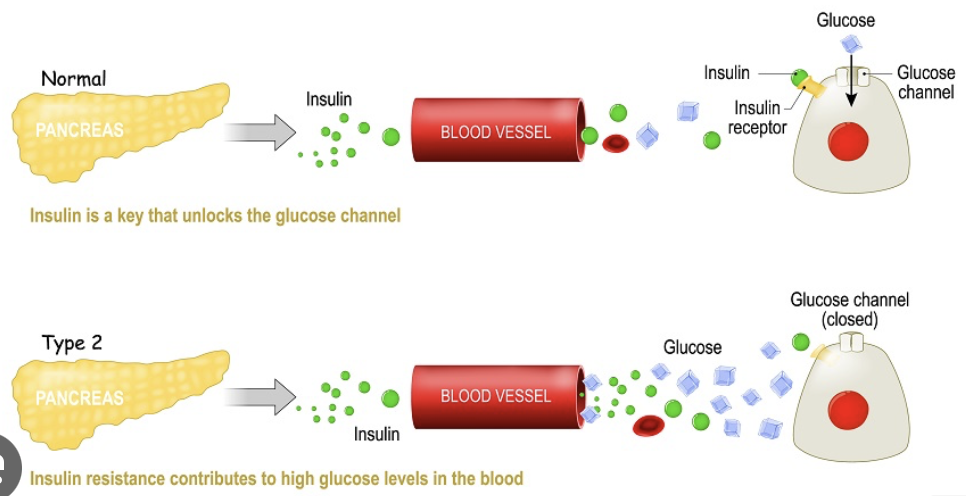
The Reality Check: Serious Long-Term Complications
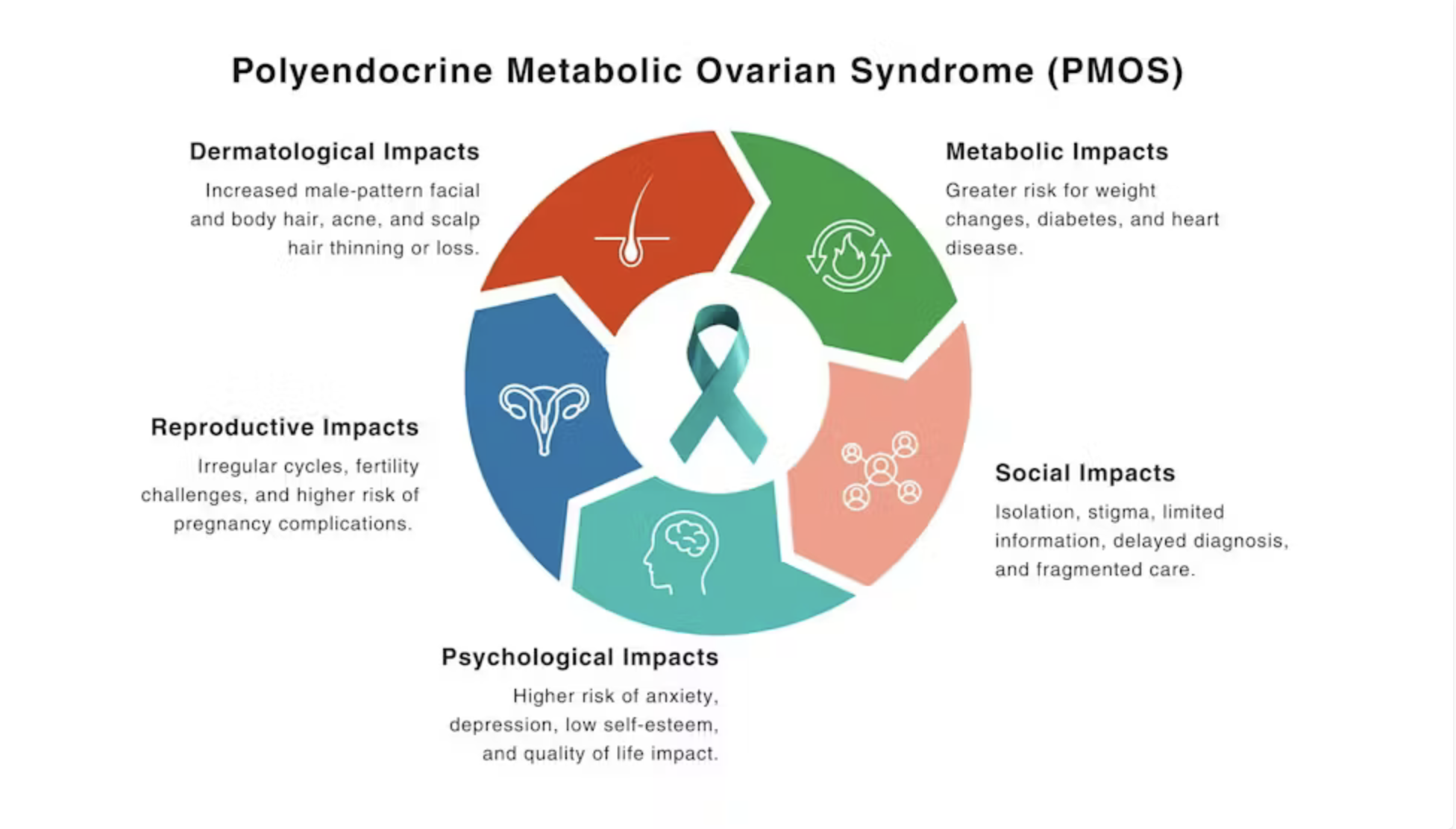
This is exactly why the name change to include "Metabolic" is so critical. PMOS isn't just about acne, facial hair growth (hirsutism), or irregular periods. If left unmanaged, the chronic hormonal and metabolic chaos can lead to serious, life-altering complications:
- Type 2 Diabetes & Pre-diabetes: Because of chronic insulin resistance, more than half of women with PMOS develop type 2 diabetes before the age of 40.
- Cardiovascular Disease: High insulin and inflammation lead to high blood pressure, elevated LDL ("bad") cholesterol, and clogged arteries, significantly increasing the risk of heart attacks and strokes later in life.
- Infertility: Because ovulation is irregular or entirely absent (anovulation), PMOS is the leading cause of female infertility worldwide.
- Pregnancy Complications: When patients with PMOS do get pregnant, they face much higher rates of gestational diabetes, preeclampsia (dangerously high blood pressure), and premature birth.
- Endometrial Cancer: If you don't menstruate regularly, the lining of your uterus (the endometrium) builds up month after month without shedding. This continuous exposure to estrogen without enough progesterone increases the risk of uterine cancer.
- Non-Alcoholic Fatty Liver Disease (NAFLD): Severe insulin resistance causes fat to accumulate in the liver, which can lead to chronic liver inflammation and scarring.
- Mental Health Struggles: The physical symptoms, weight struggles, and hormonal imbalances create a massive toll on mental health. People with PMOS are statistically at a much higher risk for clinical depression, severe anxiety, and eating disorders.
How will this affect the future of care?
Well first and foremost, the standard infrastructure for this procedure will change:
- Where the doctor did a pelvic ultrasound for PCOS, they will now look at your bloodwork, metabolic health, and your symptoms as a whole (!)
- Secondly, they can't just prescribe you a birth control and hoping for the best. Instead, they will need to have a whole team of endocrinologists, dietitians and so on who focus on your wellness as a whole.
- Furthermore, being dismissed because your ovaries look "just fine" can't happen anymore, they will need to take your symptoms and hormonal disruptivenesses in complete consideration.
Because the core diagnostic criteria is remaining how they were, and the recent changes having been made, there is a three-year transition plan in place to officially weave PMOS into healthcare systems worldwide by 2028, to fully ensure that medical coding systems and global guidelines are being updated.
A Personal Note - Why this is so Important to me
For way too long, women's health has been sidelined, underfunded, and misunderstood. Patients have had to become their own researchers just to get basic answers.
Changing the name to PMOS strips away a century of medical misconception. It forces the healthcare system to look at young women not just as reproductive vessels, but as whole people who deserve comprehensive, metabolic, and preventative care. We are finally being seen, and as a future provider, I could not be more proud or excited for where medicine is heading!
Stay Informed
Join our community of medical professionals and researchers. Get the latest insights delivered to your inbox.