Genetic Engineering: Rewriting the Code of Life
Genetic Engineering
PS: This article was developed as part of a school biology project. It is the result of collaborative work, including shared research, documentation, and organization of the material. The aim of the project was to explore key concepts in modern biology, with a particular focus on genetic engineering, and to present the information in a clear and structured academic form.
Introduction to Genetic Engineering
Genetic engineering is a branch of biology focused on the modification of an organism’s genetic material (DNA). Its purpose is to introduce, remove, or modify specific genes in order to obtain desired traits, such as resistance to diseases or the production of useful substances like medicines.
This field emerged from the need to better understand and control biological processes. The first experiments began in the second half of the 20th century, alongside the development of recombinated DNA technology.
How Genetic Engineering Works
The process of genetic engineering involves several key steps:
-identifying a gene with a useful function
-isolating or copying that gene from an organism
-inserting the gene into the DNA of another organism
-multiplying or reproducing the modified organism
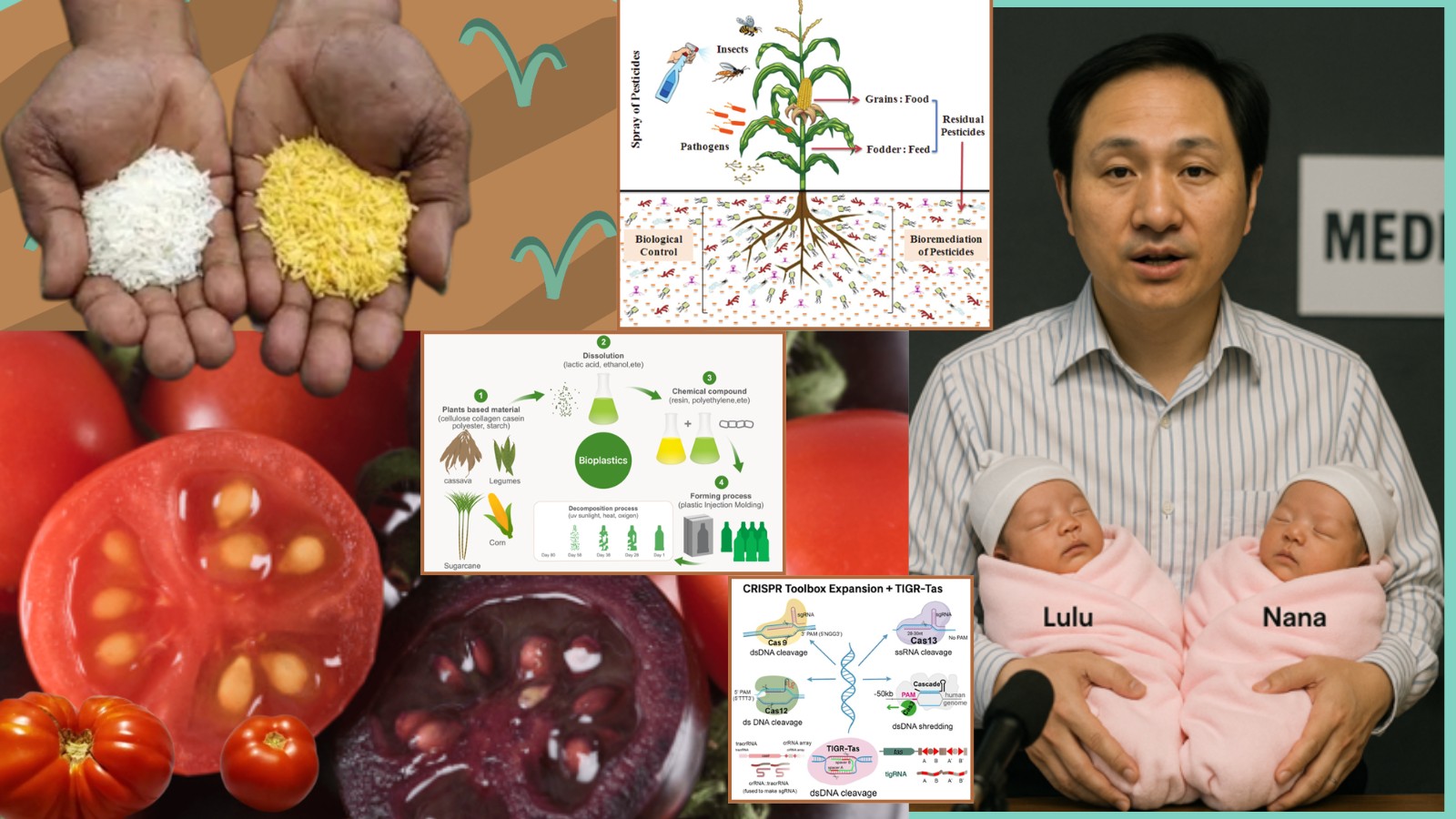
A very important technology in this field is CRISPR-Cas9, often described as “molecular scissors” that can cut DNA at precise locations. This technology has made genetic modification faster, cheaper, and far more accurate than previous methods.
CRISPR-Cas9
CRISPR-Cas9 (Clustered Regularly Interspaced Short Palindromic Repeats – Cas9 protein) is one of the most important discoveries in modern biology. It allows scientists to edit DNA with high precision, similar to editing text on a computer.
Bacteria naturally use this system as a defense mechanism against viruses. They store fragments of viral DNA in their genome within CRISPR regions. When the virus attacks again, the bacterium:
>recognizes the viral DNA
>produces a guide RNA
>directs the Cas9 protein to the matching sequence
>cuts and destroys the viral DNA
Scientists Jennifer Doudna (UC Berkeley) and Emmanuelle Charpentier (Max Planck Institute) demonstrated that this mechanism can be adapted for gene editing in plants, animals, and humans.
TIGR-Tas Technology
TIGR-Tas is a newly developed gene-editing system (2025) created by researchers at the Massachusetts Institute of Technology and the Broad Institute. It uses RNA-guided proteins to target specific DNA sequences, similarly to CRISPR-Cas9.
Its main advantages include:
--smaller protein size compared to Cas9, making delivery into cells easier
--the use of two guide RNA sequences, potentially increasing precision
--no requirement for a PAM sequence, allowing access to more genomic targets
Researchers consider TIGR-Tas a promising future tool for gene therapy and biomedical research.
Ethical Considerations in Genetic Engineering
Genetic engineering offers major benefits but also raises ethical concerns. On one hand, it can treat genetic diseases and improve agriculture through more resistant crops. On the other hand, it raises concerns about altering natural systems and unknown long-term effects on ecosystems and organisms.
A particularly controversial issue is human genetic modification, which could lead to inequality, misuse of technology, and ethical conflicts. For this reason, bioethics emphasizes that genetic engineering must be used responsibly and strictly regulated.
Applications of Genetic Engineering
Medical Applications
Genetic engineering has transformed modern medicine by enabling innovative therapies and advanced diagnostic techniques.
Examples include:
-production of insulin using genetically modified bacteria, reducing allergic reactions and replacing animal sources
-gene therapy for correcting defective genes in inherited diseases such as cystic fibrosis
-development of modern vaccines, including those for COVID-19, hepatitis B, and HPV
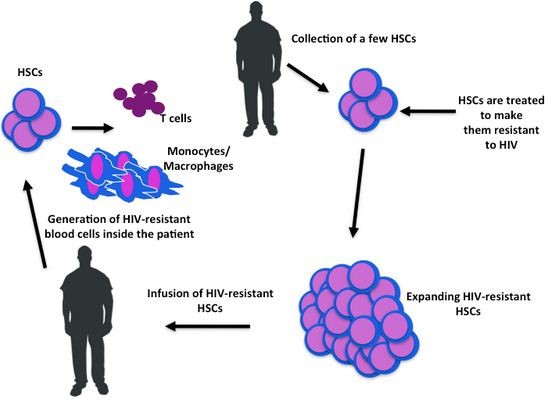
-modification of immune cells to improve cancer treatment
Agricultural Applications
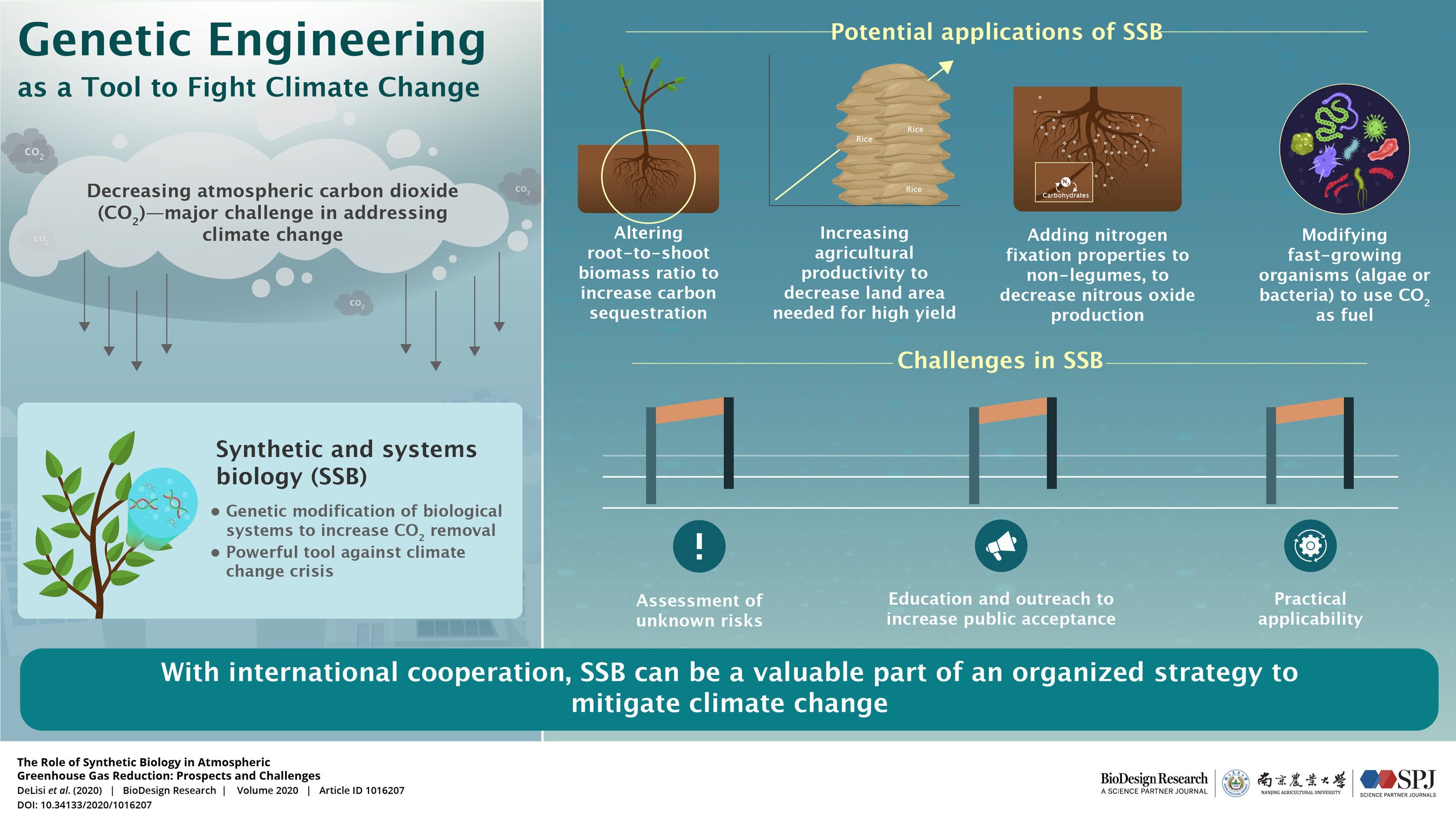
Genetic engineering has led to the development of crops with improved characteristics that address global challenges. These plants may be resistant to pests, reducing pesticide use, or tolerant to herbicides, improving weed control.
Examples include:
--Golden Rice, enriched with vitamin A precursors to combat nutritional deficiencies
--genetically modified tomatoes with longer shelf life, reducing food waste
--purple tomatoes rich in anthocyanins with added health benefits
--drought- and salt-resistant crops adapted to climate change
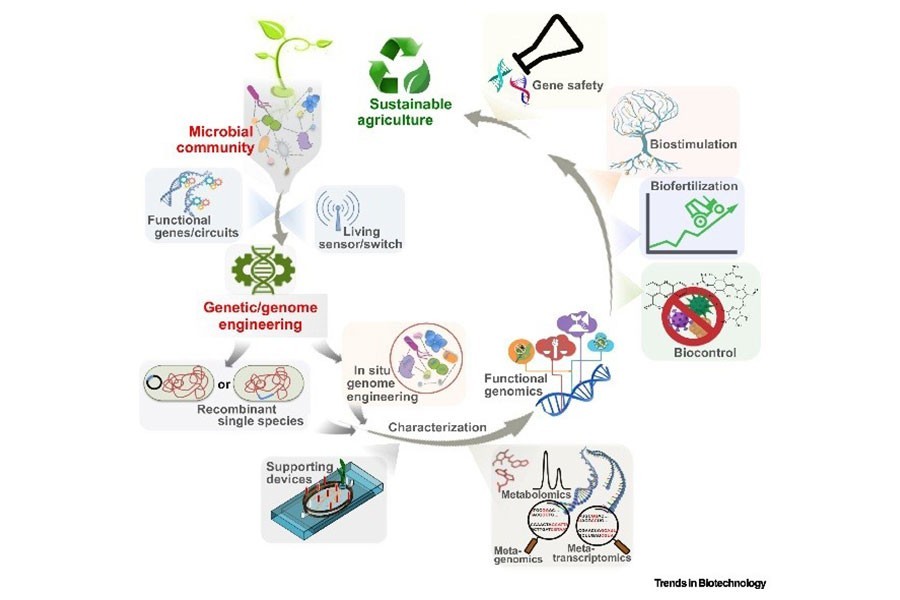
--plants engineered to fix nitrogen, reducing the need for chemical fertilizers
Industrial Applications
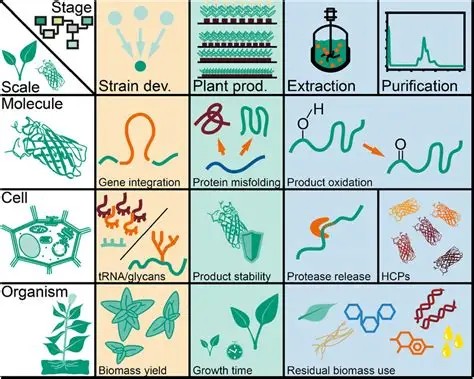
Genetic engineering is widely used in industry to produce useful substances through genetically modified microorganisms acting as bioreactors.
Examples include:
--enzymes used in detergents, textiles, and food processing
--biofuels such as ethanol and biodiesel produced from biomass
--biodegradable plastics and biomaterials as alternatives to petroleum-based products
Environmental Applications
Genetic engineering provides solutions for pollution reduction and ecosystem protection.
Examples include:
--microorganisms used in bioremediation to break down oil, pesticides, and heavy metals
--biological biosensors for detecting toxic substances in the environment
--bacteria used to clean oil spills in oceans
--conservation efforts for endangered species and biodiversity protection
Research Applications
Genetic engineering helps scientists study biological processes using genetically modified organisms as research models.
Examples include:
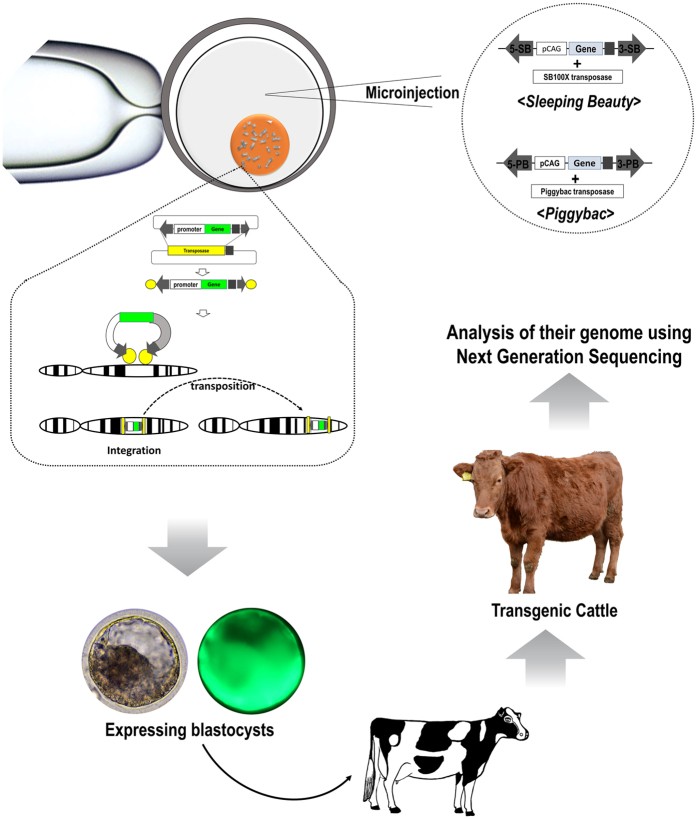
--animals and plants used to study human diseases and test treatments
--genetically modified mosquitoes to reduce malaria transmission
--gene-editing tools used to understand gene function
--synthetic biology for designing new biological systems
Advantages of Genetic Engineering
--more effective and safer medical treatments
--increased agricultural productivity
--reduced pesticide use and environmental pollution
--environmental protection through bioremediation
--production of sustainable medicines and materials
Disadvantages of Genetic Engineering
--unknown long-term risks
--potential negative effects on ecosystems
--uncontrolled spread of modified genes
--high costs of technology
--ethical concerns regarding human genetic modifications
Ethical Controversy: The He Jiankui Case
In 2018, Chinese researcher He Jiankui announced that he had used CRISPR-Cas9 gene-editing technology to modify human embryos with the aim of making them resistant to HIV infection. He targeted the CCR5 gene, which plays a role in allowing HIV to enter human cells. According to his claims, the edited embryos were implanted and resulted in the birth of twin girls.
The experiment quickly sparked global controversy because it was carried out without clear, internationally recognized ethical approval and with limited transparency. Questions were raised about whether the parents gave fully informed consent and whether the research followed proper regulatory procedures.
Scientists around the world strongly criticized the work. Many argued that it was unnecessary, since HIV can already be effectively prevented through existing medical methods, and that editing embryos introduced serious risks. One major concern was the possibility of off-target genetic changes, as well as unknown long-term effects that could affect not only the children but also their future descendants, since germline edits are heritable.
Following the announcement, the case led to widespread condemnation, legal consequences for He Jiankui in China, and renewed global debate about how and when human embryo editing should be allowed. It is now widely seen as a landmark example of unethical application of genetic engineering and a warning about the need for stronger international oversight.

Conclusion
Genetic engineering is a major scientific field with applications in medicine, agriculture, industry, and environmental protection. It offers significant progress in treating diseases, improving food production, and reducing pollution, but also raises ethical challenges and risks that require responsibility and strict regulation.
Future technologies such as CRISPR-Cas9 and emerging systems like TIGR-Tas may enable even more precise and effective solutions for health and the environment, provided they are used ethically and under proper control.
Bibliography / Sources
Med.Ro – Genetic engineering: applications, benefits and risks
Știința Azi – What is genetic engineering (CRISPR)
Revista Română de Bioetică – What is genetic engineering? A fundamental introduction
American Association for the Advancement of Science (AAAS) – Chinese scientist who produced genetically altered babies sentenced to 3 years in jail
MIT Technology Review – A controversial Chinese CRISPR scientist is still hopeful about embryo gene-editing. Here’s why
Centers for Disease Control and Prevention (CDC) – Genetically Modified Mosquitoes
Science (AAAS) – https://www.science.org/doi/10.1126/science.adv9789
PubMed Central (PMC) – https://pmc.ncbi.nlm.nih.gov/articles/PMC9377665/
Image sources:
https://scx2.b-cdn.net/gfx/news/hires/2020/3-engineeringa.jpg
https://cdn.ncbi.nlm.nih.gov/pmc/blobs/3f0e/4914850/2e9ce91d1645/srep27185-f1.jpg
Stay Informed
Join our community of medical professionals and researchers. Get the latest insights delivered to your inbox.