The Hidden Language of Our Immune System: How Epigenetics Shapes Health
New research is revealing how our immune cells "remember" experiences, opening the door to more personalized treatments for chronic diseases.
Our immune system is far more adaptable than scientists once believed. While our DNA provides the blueprint for how our bodies function, another layer of regulation—known as epigenetics—determines how that blueprint is used.
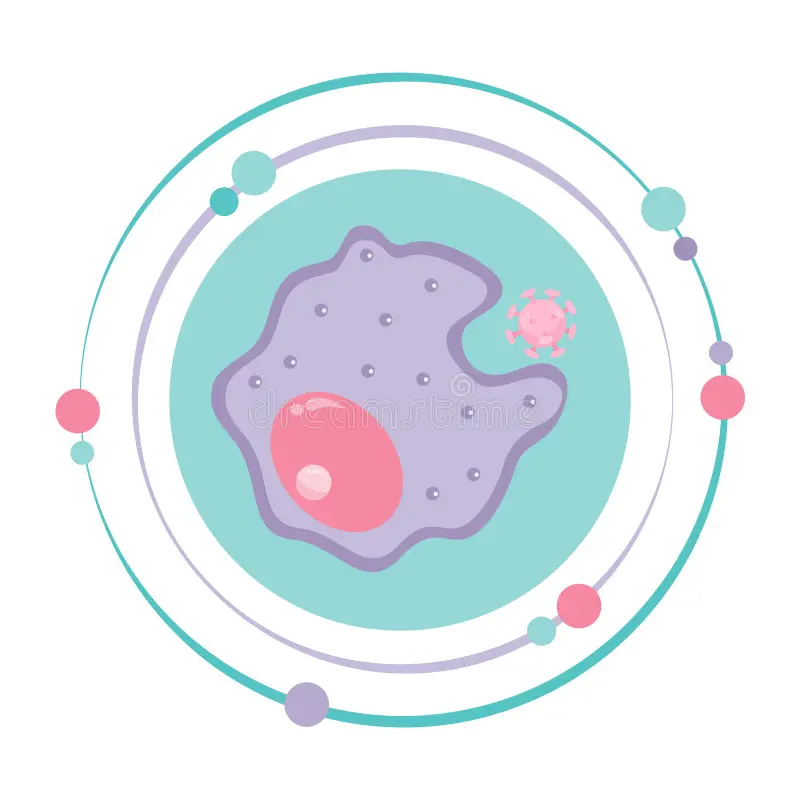
Recent research has shown that epigenetic changes play a key role in controlling macrophages, one of the body's most important immune cells. Understanding how these cells adapt could transform the way we prevent and treat inflammatory, autoimmune, and neurodegenerative diseases.
What Are Macrophages?
Macrophages are specialized immune cells that protect the body by:
Detecting and eliminating harmful bacteria and viruses
Removing damaged or dead cells
Supporting tissue repair and healing
Coordinating the body's inflammatory response
Rather than behaving the same way throughout the body, macrophages adapt to the environment around them. Those found in the lungs, liver, skin, or brain each perform unique functions tailored to the needs of that tissue.
What Is Epigenetics?
Although nearly every cell in the body contains the same DNA, not every gene is active at the same time.
Epigenetics refers to the biological mechanisms that switch genes on or off without changing the DNA sequence itself. These changes help cells respond to their environment, allowing the immune system to react quickly to infections, injuries, and other challenges.
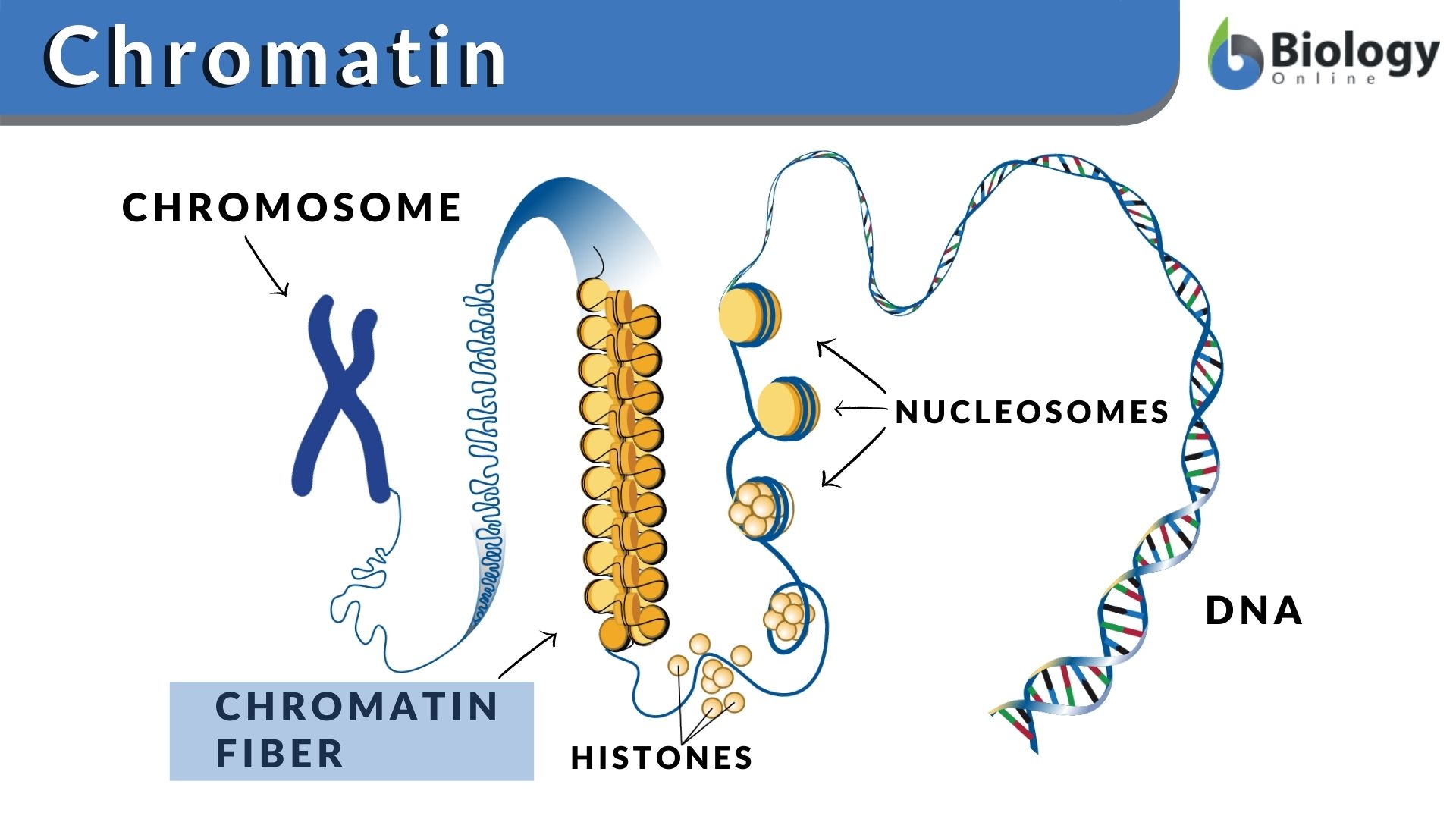
One of the most important epigenetic mechanisms involves chromatin—the structure that packages DNA inside our cells. When chromatin becomes more open, certain genes become easier to activate, enabling macrophages to rapidly adjust their behavior when needed.
The Immune System Can "Remember"
Scientists have recently discovered that macrophages can develop a form of trained immunity.
Unlike the long-term memory created by antibodies, trained immunity is driven by epigenetic changes. After exposure to infections or inflammation, macrophages can become "primed" to respond more effectively—or, in some cases, too aggressively—to future challenges.
This growing field of research may help explain why chronic inflammation contributes to conditions such as:
Cardiovascular disease
Type 2 diabetes
Autoimmune disorders
Alzheimer's disease
Parkinson's disease
Why This Matters
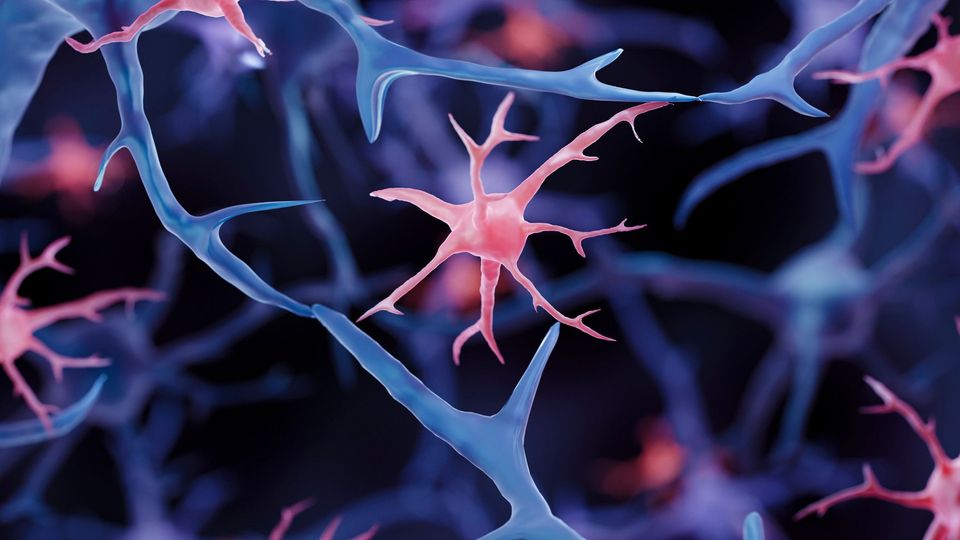
The brain contains its own specialized macrophages, called microglia, which help protect neurons and maintain healthy brain function.
When these cells remain activated for long periods, they can contribute to ongoing inflammation that has been linked to several neurodegenerative diseases. By understanding the epigenetic signals that control these immune cells, researchers hope to develop therapies that regulate inflammation without suppressing the immune system entirely.
Looking Ahead
Advances in genomics and epigenetics are changing our understanding of the immune system. Rather than viewing immune cells as fixed responders, scientists now recognize that they are highly adaptable and continuously shaped by their environment.
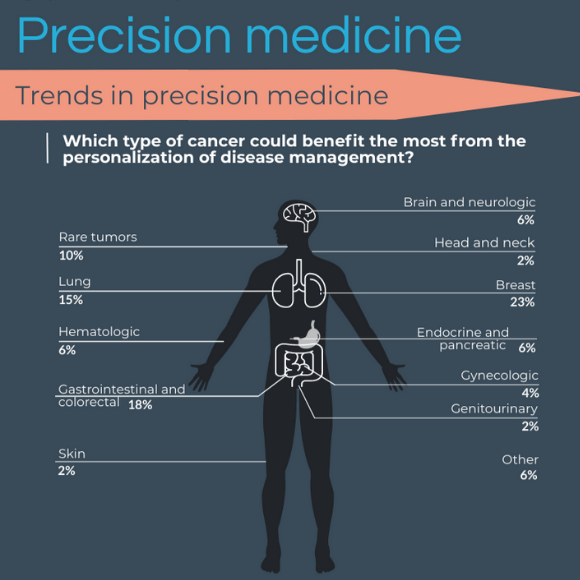
As research continues, these discoveries may lead to more precise treatments that target the underlying mechanisms of disease instead of simply managing symptoms. This represents an important step toward the future of precision medicine, where therapies can be tailored to each individual's unique biological profile.
Stay Informed
Join our community of medical professionals and researchers. Get the latest insights delivered to your inbox.