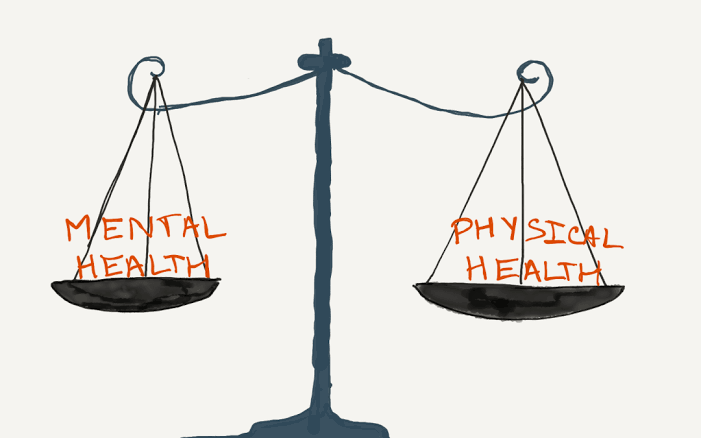
The Importance of Mental Health and Physical Health: Understanding the Mind-Body Connection
When we think about health, many of us focus on physical symptoms such as pain, fever, or high blood pressure. However, true health involves much more than the absence of disease. Mental health and physical health are closely connected, and taking care of one without the other can make it harder to achieve overall well-being.
Understanding this connection can help you make healthier choices and recognize when it's time to seek medical support.
The Mind-Body Connection
Your brain and body constantly communicate with each other. Thoughts, emotions, and stress influence how your body functions, while physical illnesses can affect your mood, energy, and mental well-being.
For example:
Chronic stress can contribute to high blood pressure and digestive problems.
Anxiety may cause headaches, muscle tension, or rapid heartbeat.
Depression can lead to fatigue, poor sleep, and reduced physical activity.
Chronic physical conditions such as diabetes or heart disease may increase the risk of anxiety or depression.
Because these systems are interconnected, improving one often benefits the other.
How Mental Health Affects Physical Health
Mental health influences many aspects of daily life, including:
Sleep Quality
Stress and anxiety can make it difficult to fall asleep or stay asleep. Poor sleep weakens the immune system, affects concentration, and increases the risk of chronic health conditions.
Heart Health
Long-term stress increases the production of stress hormones such as cortisol and adrenaline. Over time, this may contribute to elevated blood pressure, inflammation, and an increased risk of cardiovascular disease.
Immune Function
Persistent psychological stress can reduce the body's ability to fight infections and may slow recovery from illness or surgery.
Healthy Habits
People experiencing depression or anxiety may find it more difficult to:
Exercise regularly
Eat balanced meals
Take medications consistently
Attend routine medical appointments
These challenges can increase the risk of developing or worsening physical health problems.
How Physical Health Affects Mental Well-Being
The relationship also works in the opposite direction.
Living with chronic pain, diabetes, arthritis, asthma, or other long-term conditions can affect emotional well-being. Many people experience frustration, worry, or sadness when managing ongoing health issues.
Physical symptoms such as fatigue or limited mobility may reduce social interactions and daily activities, increasing the risk of depression and anxiety.
Signs That Your Mental and Physical Health May Be Connected
Consider speaking with your healthcare provider if you experience:
Persistent fatigue without a clear cause
Frequent headaches or muscle tension
Difficulty sleeping
Changes in appetite or weight
Loss of interest in activities you once enjoyed
Ongoing feelings of sadness, anxiety, or irritability
Physical symptoms that worsen during periods of stress
Early recognition can help prevent symptoms from becoming more severe.
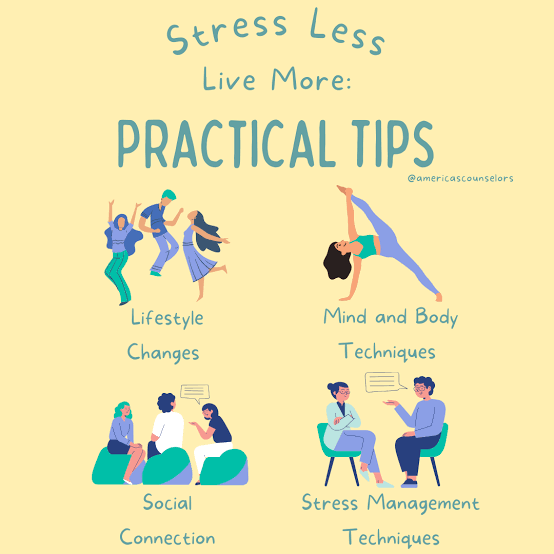
Practical Ways to Support Both Mind and Body
You don't need to make dramatic changes to improve your overall health. Small, consistent habits can have a significant impact.
Stay Physically Active
Regular exercise supports cardiovascular health while also improving mood by stimulating the release of endorphins, often called the body's "feel-good" chemicals.
Prioritize Sleep
Aim for 7–9 hours of quality sleep each night. Maintaining a regular sleep schedule can improve both physical recovery and emotional resilience.
Eat a Balanced Diet
A nutritious diet rich in fruits, vegetables, whole grains, lean proteins, and healthy fats supports brain function as well as physical health.
Healthy stress-management techniques include:
Deep breathing exercises
Meditation or mindfulness
Spending time outdoors
Reading or engaging in hobbies
Talking with friends or family
Stay Connected
Strong social relationships are associated with lower levels of stress, improved mental health, and even better long-term physical health outcomes.
Attend Regular Medical Check-Ups
Routine health examinations allow healthcare providers to identify both physical and mental health concerns early, when they are often easier to manage.
When Should You Seek Professional Help?
Everyone experiences stress from time to time. However, if emotional difficulties persist for several weeks, interfere with daily life, or are accompanied by physical symptoms, it is important to seek medical advice.
Your healthcare provider can assess your symptoms, identify possible underlying causes, and recommend appropriate treatment or referral when needed.
Seeking help is a positive step toward better health—not a sign of weakness.

Conclusion
Mental health and physical health are inseparable parts of overall well-being. Looking after your emotional health can improve your physical health, just as maintaining a healthy body supports a healthy mind.
By adopting healthy daily habits, recognizing early warning signs, and seeking medical care when needed, you can support both your mental and physical well-being throughout every stage of life.
Stay Informed
Join our community of medical professionals and researchers. Get the latest insights delivered to your inbox.