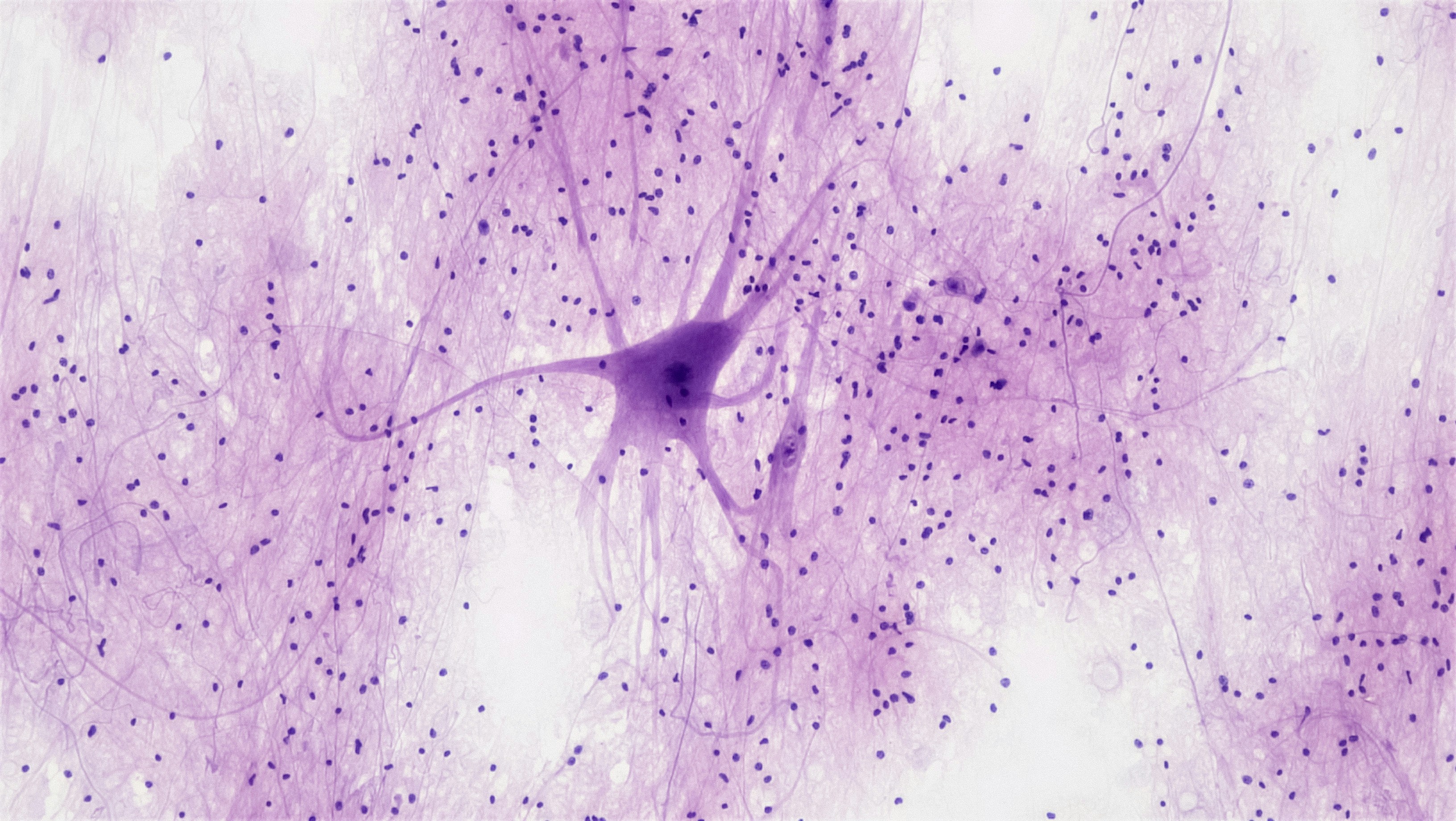
How Memories Are Formed: A Journey Inside the Brain
The Brain Is Not a Camera
Most people imagine memory like a recording device, something that captures moments and stores them as files you can replay. But that model is wrong in almost every way that matters.
Memory is not stored. It is rebuilt every single time you remember something. It is not a photograph; it is closer to a painting you recreate from notes, influenced by your mood, what you've learned since, and who you've become. This makes human memory both beautifully adaptive and frustratingly unreliable.
Step One: Encoding: The Brain Pays Attention
Before a memory can be formed, the brain has to notice something. This is called encoding, and it is highly selective. Your brain is bombarded with roughly 11 million bits of information per second, but only about 40–50 bits ever reach conscious awareness.
What gets encoded? Things that are:
- Emotionally significant: The brain's amygdala flags emotional events for priority storage.
- Novel or surprising: Unexpected information disrupts the brain's predictions, demanding attention.
- Repeated: The more you encounter something, the stronger its neural footprint becomes.
- Deeply processed: Thinking about the meaning of information (not just reading it) creates far stronger memories. This is why flashcard cramming often fails.
Step Two: Synaptic Strengthening: Neurons That Fire Together, Wire Together
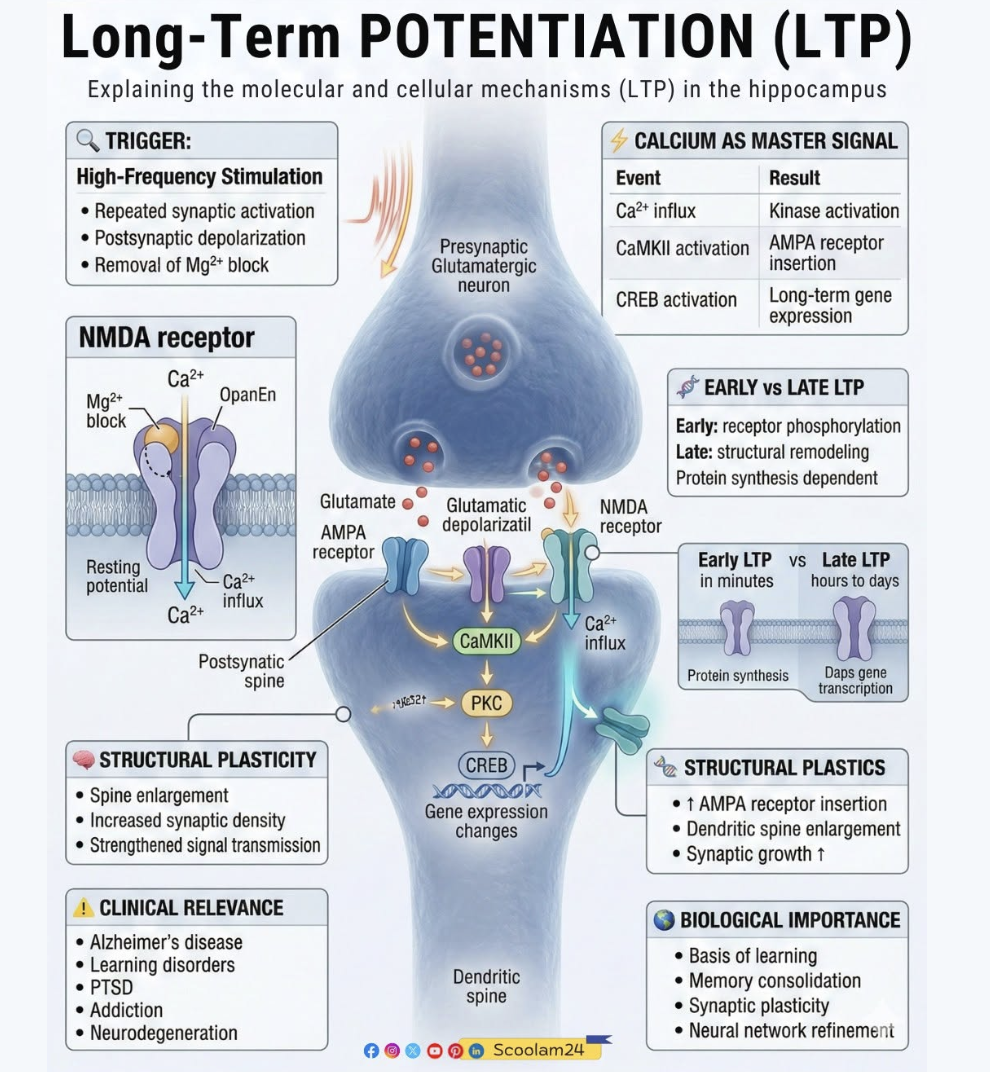
Here is where things get remarkable at the microscopic level. When two neurons communicate repeatedly, the synapse between them physically strengthens. This is called Long-Term Potentiation (LTP), and it was first demonstrated by neuroscientist Tim Bliss and Terje Lømo in 1973.
The mechanism works roughly like this:
1. A signal travels down a neuron and reaches a synapse.
2. It triggers the release of glutamate, the brain's primary excitatory neurotransmitter.
3. Glutamate binds to NMDA receptors on the receiving neuron but only if that neuron is already somewhat active. This "coincidence detector" property is key.
4. Calcium floods into the postsynaptic neuron.
5. This triggers a cascade that inserts more AMPA receptors into the synapse, making it more sensitive.
6. Over time, the synapse physically expands, proteins change, and new synaptic connections may sprout entirely.
The result: two neurons that were weakly linked are now strongly linked. A memory has begun to take physical form.
Step Three: Consolidation: The Brain Works While You Sleep
Encoding captures a memory. But it is fragile, vulnerable to disruption, decay, or interference. Consolidation is the process by which a fresh memory is stabilized into a durable form.
This happens in two layers:
Synaptic Consolidation (hours)
In the hours after an experience, protein synthesis cements the synaptic changes initiated during encoding. This is why memories formed during intense stress, illness, or intoxication are often patchy; the biological "saving" process was interrupted.
System Consolidation (weeks to years)
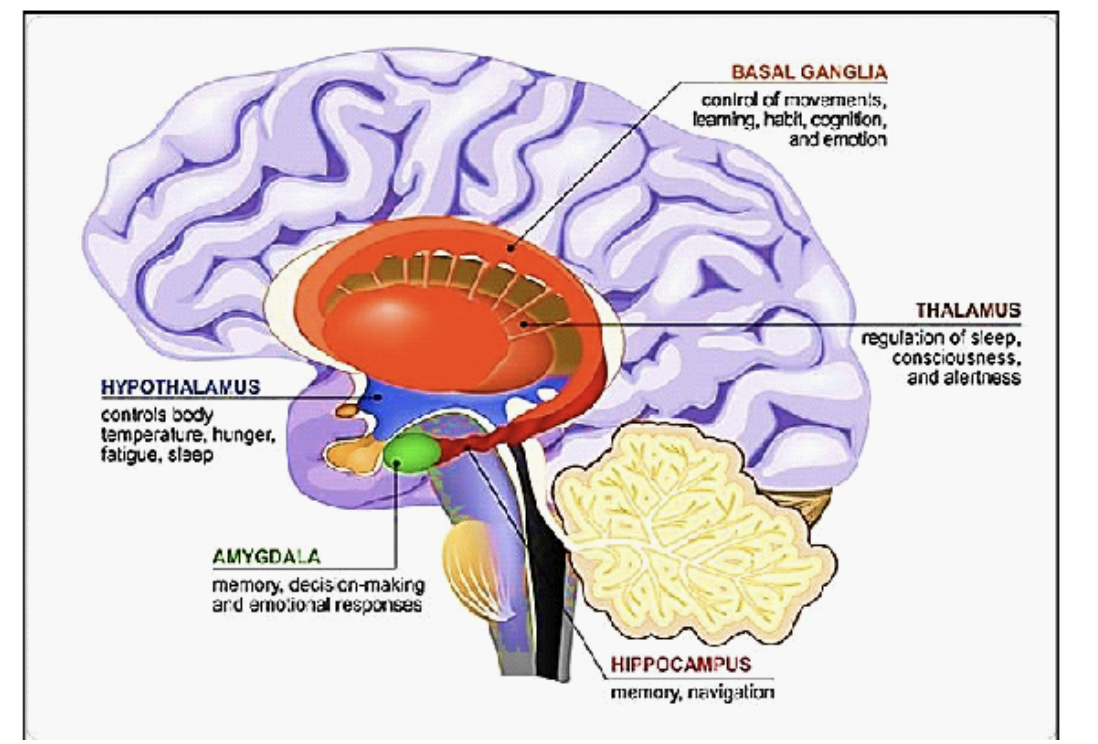
Initially, memories depend heavily on the hippocampus, a seahorse-shaped structure deep in the temporal lobe that acts as a temporary relay and indexer. Over time, through a process still not fully understood, memories are gradually transferred to the neocortex for long-term storage.
Critically, sleep plays a starring role in this transfer. During slow-wave sleep, the hippocampus "replays" the day's experiences. During REM sleep, emotional memories are processed. Disrupted sleep doesn't just make you tired; it literally prevents memories from consolidating.
The Different "Types" of Memory Not All Stored the Same Way
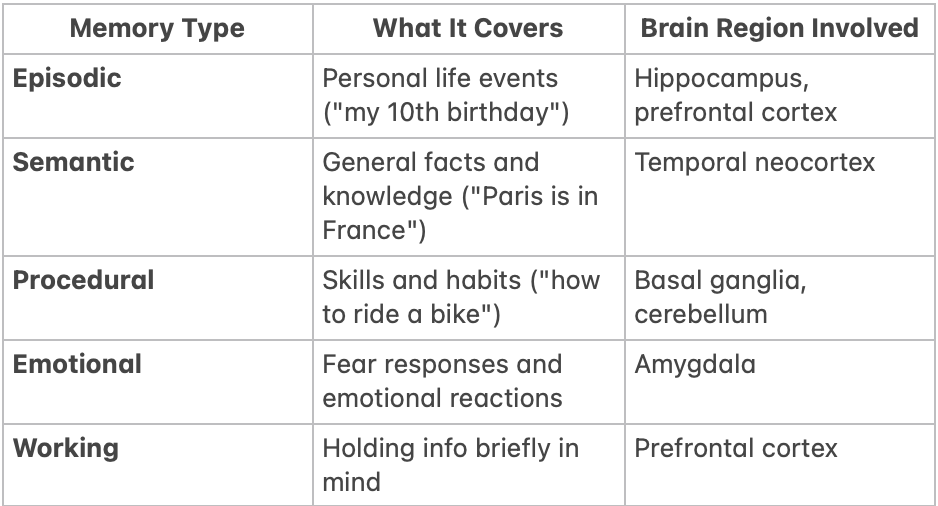
One of the most unexpected discoveries in memory science is that the brain doesn't use one storage system. It uses many, and they can operate completely independently.
Memory Is Reconstructive, and that's a bug and a feature
Every time you remember something, you are not "reading" a file. You are reconstructing it, pulling together distributed fragments of neural activity across multiple brain regions and assembling them into a coherent experience.
This reconstruction is influenced by:
What you now expect to have happened
Emotions you feel right now
Information you've encountered since the original event
Social suggestion (what others tell you happened)
This is why eyewitness testimony is shockingly unreliable, why therapists must be careful about "recovering" memories, and why you may vividly "remember" things that never happened—a phenomenon called "false memory," extensively studied by psychologist Elizabeth Loftus.
The upside? This flexibility allows us to update memories as we learn more, integrate new understanding into old experiences, and adapt our mental models. Memory is not a record of the past; it is a tool for navigating the future.
The Chemistry of "Never Forgetting": Why Emotional Memories Stick
You probably remember exactly where you were when something shocking happened, a major accident, a sudden loss, a world event. These are called flashbulb memories, and they feel photographically precise (even though they, too, are often distorted in the details).
The reason they feel so vivid is adrenaline (epinephrine) and cortisol, stress hormones that activate the amygdala, which in turn sends a signal to the hippocampus: "This is important; record it well."
Neuroscientist James McGaugh's research showed that injecting adrenaline after a neutral experience strengthened later recall of it. The emotion doesn't just color the memory; it enhances its biological encoding at the cellular level.
This is also why trauma can be so persistent. The same system that makes joyful moments vivid also makes terrifying ones impossible to shake.
What This Means for Learning
Understanding how memories form has direct, practical consequences:
- Space your learning: The "spacing effect" works because each retrieval slightly destabilizes a memory, and the re-consolidation makes it stronger. Cramming bypasses this cycle.
- Sleep after studying: Consolidation needs time. An all-nighter before an exam trades short-term recall for long-term learning.
- Test yourself: Active retrieval (the "testing effect") strengthens the neural pathways more than re-reading ever will.
- Make it emotional or meaningful: Connecting new information to something you care about recruits the amygdala and hippocampus together, creating a stronger trace.
- Teach it: Explaining something to someone else forces deep processing, which is exactly what drives durable encoding.

Conclusion: You Are Your Memories, but they are not fixed
Memory is one of the most intimate things about us. Our sense of identity, our relationships, our expertise—all of it is woven from remembered experience. And yet the biological reality of memory is that it is never truly fixed. It is living, changing, reconstructed afresh with every recall.
This makes memory both miraculous and humbling. We are not passive recorders of our lives. We are active authors shaping, editing, and reinterpreting our past every time we remember it.
And right now, the brain that finished reading this article has already changed ever so slightly to carry what it just learned.
Stay Informed
Join our community of medical professionals and researchers. Get the latest insights delivered to your inbox.