The Truth About Hydration: How Much Water Do You Really Need?
Water is essential for life. Every cell, tissue, and organ in your body depends on it to function properly. Yet despite its importance, many people are unsure how much water they actually need each day.
You've probably heard the advice to drink "eight glasses of water a day," but is that really the right amount? The answer is more complex than a single number.
In this article, we'll explore why hydration matters, how much water you really need, and the signs that your body may not be getting enough.
Why Is Hydration So Important?
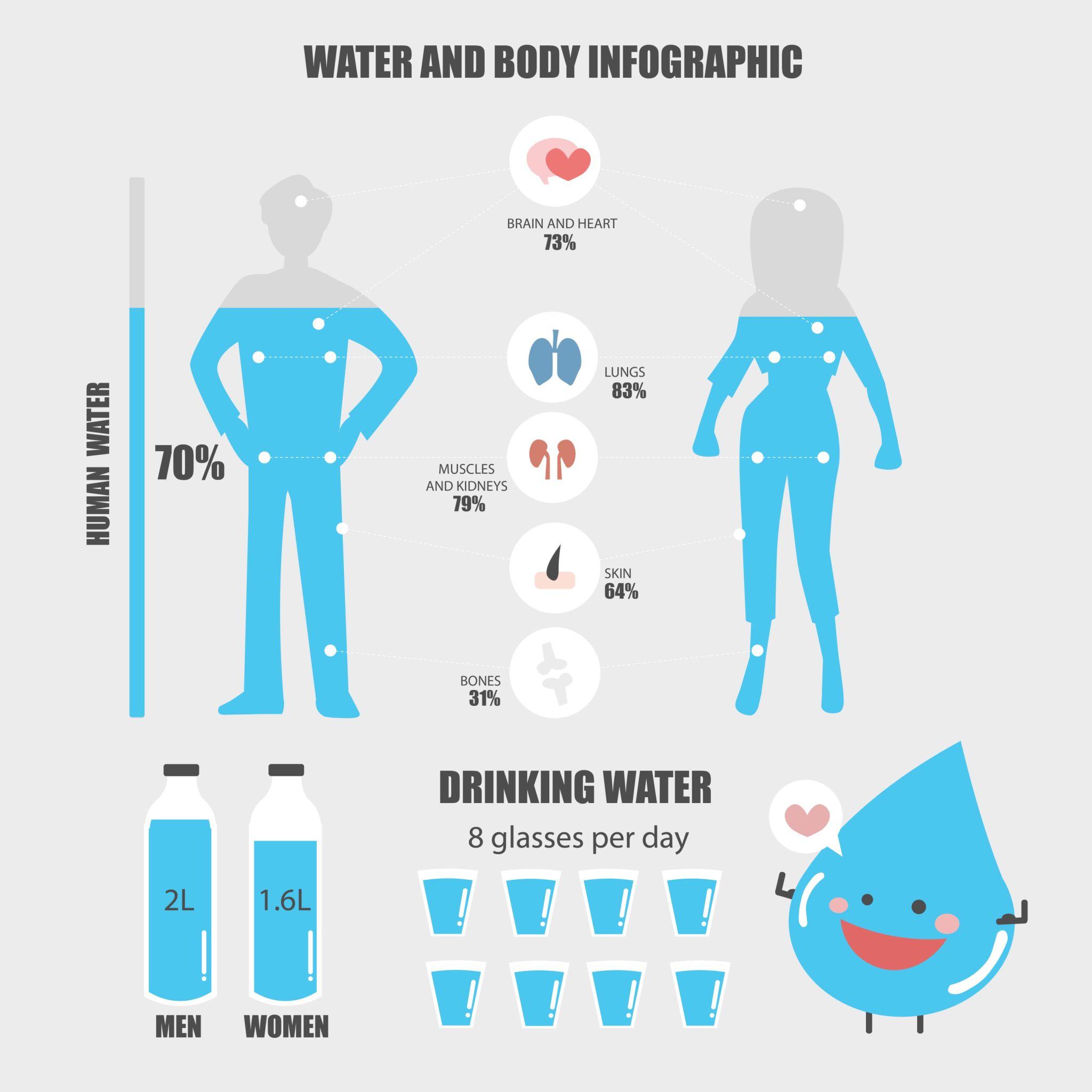
Water makes up around 60% of the adult human body and plays a vital role in nearly every bodily function. It helps:
1.Regulate body temperature
2.Transport nutrients and oxygen to cells
3.Remove waste products through urine and sweat
4.Lubricate joints
5.Support digestion
6.Protect the brain and spinal cord
7.Maintain healthy skin and organs
Even mild dehydration can affect both physical and mental performance, making it harder to concentrate, stay active, and feel your best.
How Much Water Do You Really Need?
There is no universal answer because water needs vary from person to person.
Several factors influence your daily fluid requirements, including:
1.Age
2.Sex
3.Body size
4.Physical activity level
5.Climate and temperature
6.Pregnancy or breastfeeding
7.Certain medical conditions
As a general guideline, many health organizations suggest:
Women: approximately 2.7 liters (91 ounces) of total fluids per day.
Men: approximately 3.7 liters (125 ounces) of total fluids per day.
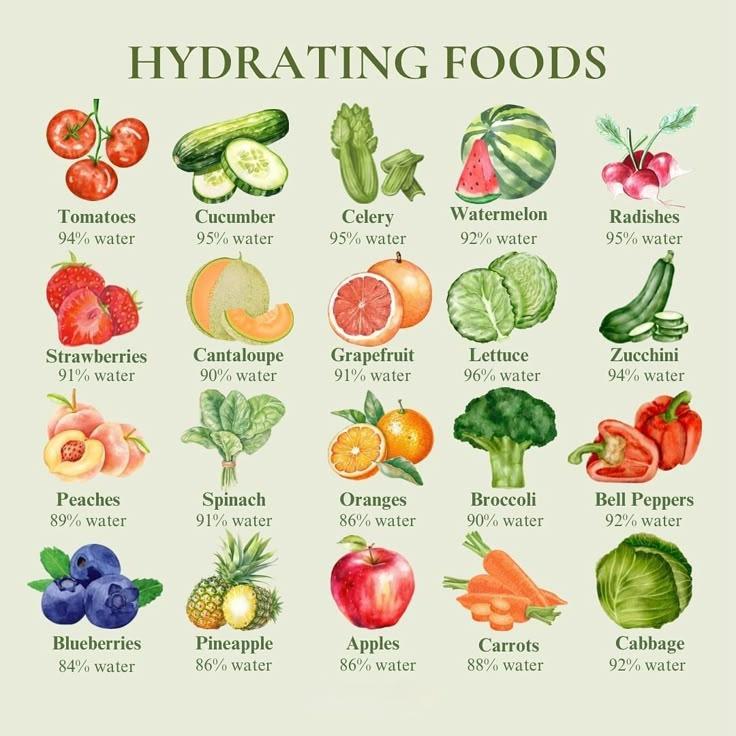
It's important to note that these recommendations include all fluids, not just plain water. Water from beverages like milk, tea, and coffee, as well as water-rich foods such as fruits and vegetables, also contributes to your daily intake.
Do You Need Exactly Eight Glasses a Day?
The popular "8×8 rule"—drinking eight 8-ounce glasses of water daily—is easy to remember, but it isn't a scientifically established requirement for everyone.
Some people naturally need more water, while others may need less. Instead of focusing solely on a specific number, it's better to pay attention to your body's signals.
For most healthy adults, drinking when you're thirsty and maintaining pale yellow urine are good indicators of adequate hydration.
Signs You May Be Dehydrated
Dehydration occurs when your body loses more fluids than it takes in.
Early signs include:
-Thirst
-Dry mouth or lips
-Dark yellow urine
-Urinating less frequently
-Headache
-Fatigue
-Dizziness
-Difficulty concentrating
More severe dehydration may cause:
-Rapid heartbeat
-Low blood pressure
-Confusion
-Extreme weakness
-Fainting
Severe dehydration requires prompt medical attention.
Can You Drink Too Much Water?
Yes. Although uncommon, drinking excessive amounts of water in a short period can overwhelm the kidneys and dilute the sodium levels in your blood—a condition called hyponatremia.
This is more likely to occur during endurance sports or when people intentionally consume very large quantities of water.
Symptoms may include:
-Nausea
-Headache
-Confusion
-Muscle cramps
-Vomiting
In severe cases, seizures or loss of consciousness
The goal is balance—neither too little nor too much.
Foods That Help Keep You Hydrated
Hydration doesn't come only from what you drink.
Many foods have a high water content, including:
-Watermelon
-Cucumbers
-Strawberries
-Oranges
-Tomatoes
-Lettuce
-Celery
-Zucchini
-Peaches
-Soup-based meals
Including these foods in your diet can contribute to your daily fluid intake.
When Do You Need More Water?
Your body loses more fluids under certain conditions. You may need to increase your fluid intake if you:
-Exercise regularly
-Spend time in hot or humid weather
-Have a fever
-Experience vomiting or diarrhea
-Are pregnant or breastfeeding
-Live at high altitudes
-It's often helpful to drink water before, during, and after physical activity to replace fluid losses.
Tips for Staying Hydrated Throughout the Day
Building simple habits can make staying hydrated easier:
-Carry a reusable water bottle.
-Drink a glass of water with each meal.
-Keep water nearby while working or studying.
-Eat more fruits and vegetables.
-Choose water over sugary drinks when possible.
-Drink extra fluids during exercise or hot weather.
Small, consistent habits are often more effective than trying to drink a large amount all at once.
Does Coffee or Tea Count?
Yes. Despite the common myth, moderate amounts of coffee and tea contribute to your daily fluid intake. Although caffeine has a mild diuretic effect, the water in these beverages generally outweighs any increase in urine production for regular consumers.
However, sugary drinks and alcoholic beverages should not be relied upon as primary sources of hydration, as they may have other health effects.
The Bottom Line
Hydration is about more than simply meeting a daily water target—it's about supporting your body's many essential functions.
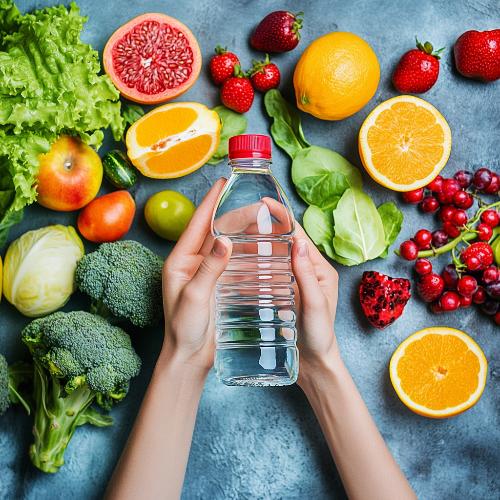
Rather than focusing on a rigid rule, pay attention to your thirst, urine color, activity level, and environment. Eating water-rich foods, drinking fluids regularly throughout the day, and increasing your intake when needed can help you maintain healthy hydration.
If you have kidney disease, heart failure, or another medical condition that affects your fluid needs, speak with your healthcare provider about the amount of fluid that's appropriate for you.
Stay Informed
Join our community of medical professionals and researchers. Get the latest insights delivered to your inbox.