Sulfonamides: The First Modern Antibacterial Drugs
Sulfonamides: The First Modern Antibacterial Drugs
Contents:
1.Definition
2.Chemical Reactions
3.Mechanism of Action
4.Uses
5.Importance
6.Bibliography
1. Definition
Sulfonamides are a class of synthetic antibacterial drugs. They were the first widely used medications capable of effectively treating bacterial infections and played a major role in the development of modern antimicrobial therapy.
Sulfonamides are typically white or yellowish solid substances, usually in crystalline powder form. They are poorly soluble in water but soluble in alcohol and alkaline solutions. They are odorless and have a slightly bitter taste. Their melting points are relatively high (150–300°C), while their boiling points are not clearly defined because they decompose at high temperatures.
General formula: R–SO₂–NR'R'', where R can be represented by various organic groups.
Classification:
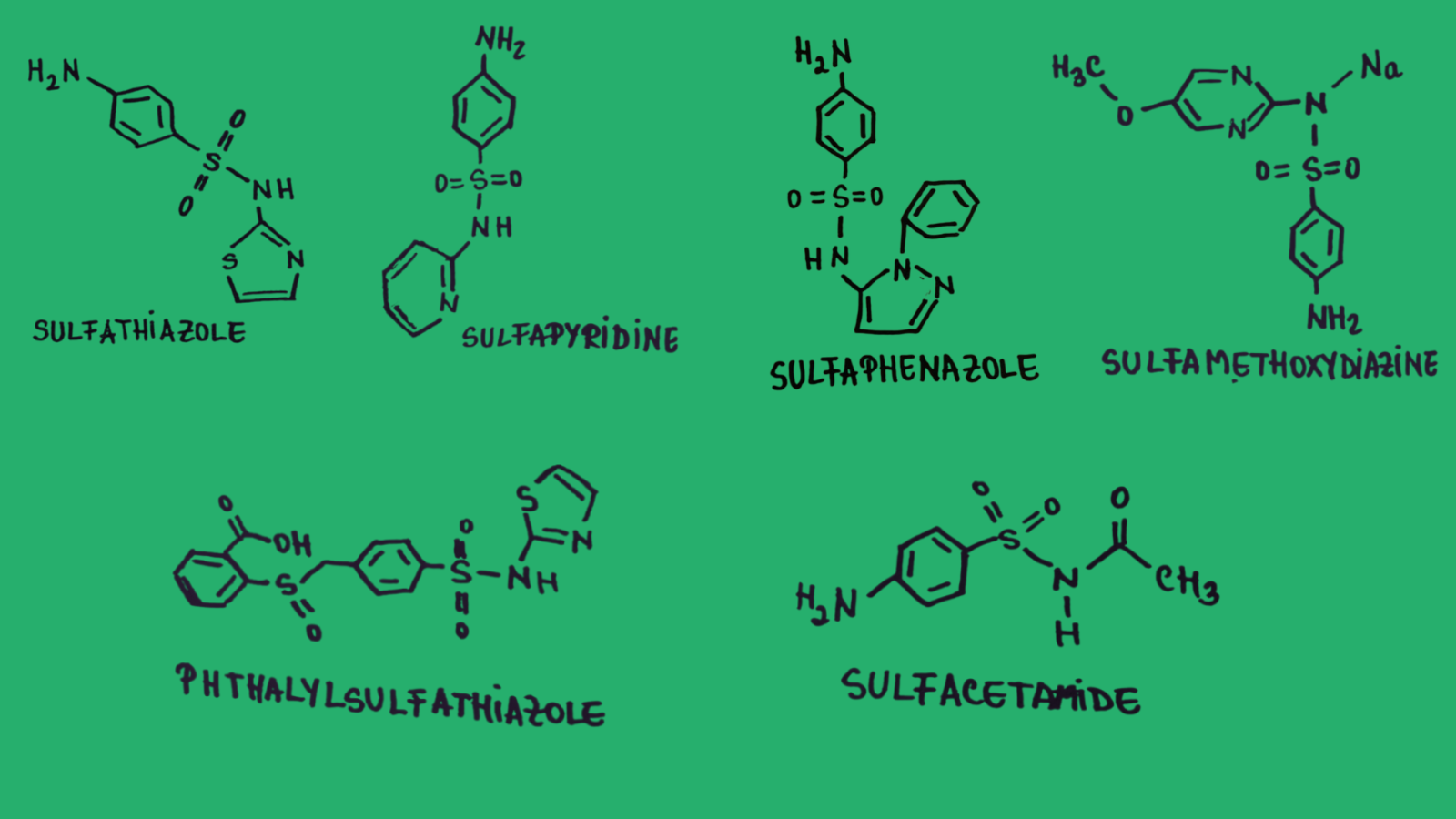
1)Systemic sulfonamides – administered orally or systemically, acting throughout the body
-->Short-acting (e.g., sulfathiazole, sulfapyridine)
-->Intermediate-acting (e.g., sulfaphenazole)
-->Long-acting (e.g., sulfamethoxydiazine)
2)Intestinal sulfonamides – act in the gastrointestinal tract (e.g., phthalylsulfathiazole)
3)Topical sulfonamides – applied to skin or mucous membranes (e.g., sulfacetamide)
2. Chemical Reactions
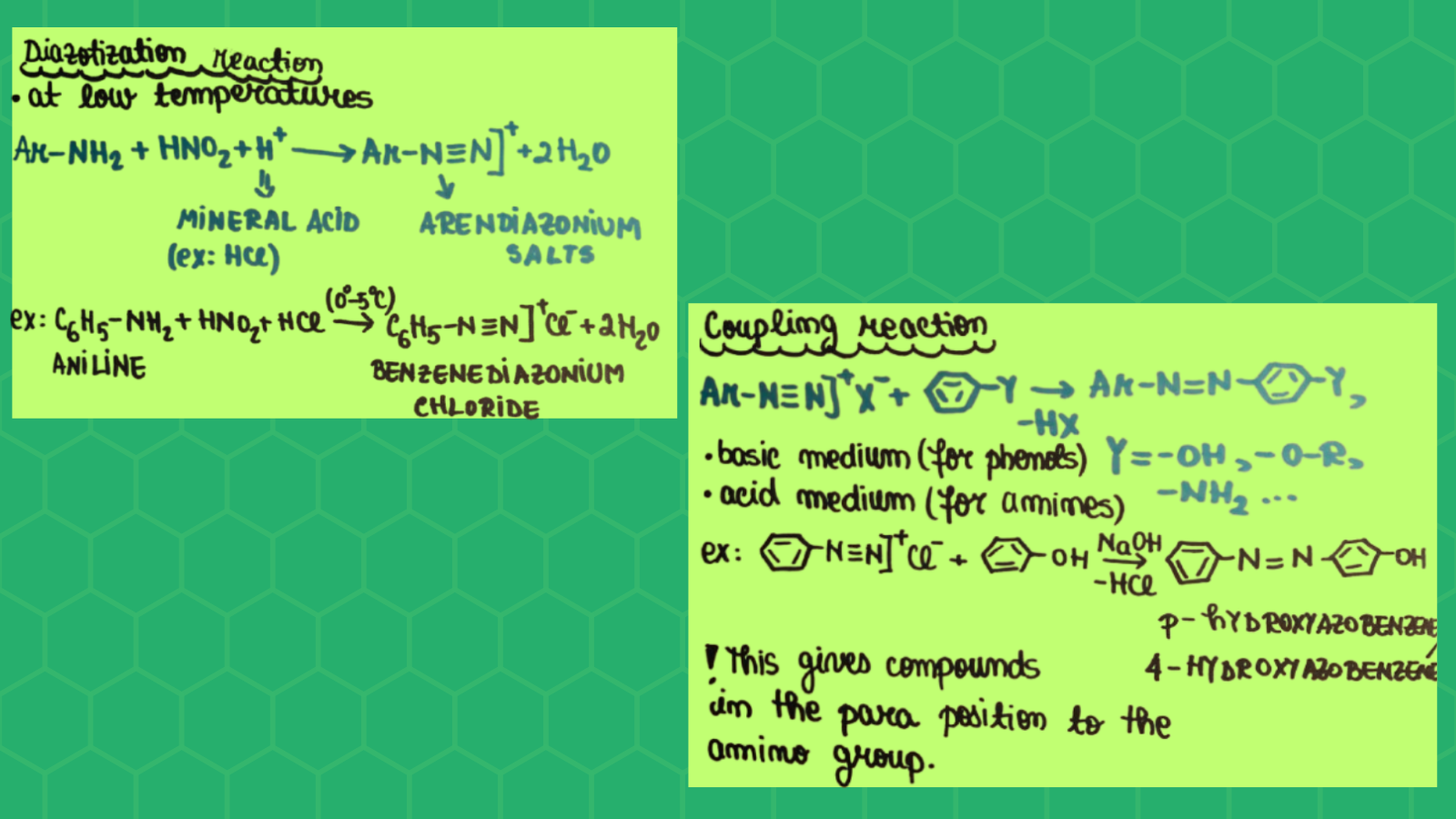
The first clinically used sulfonamide was Prontosil Red, discovered by Gerhard Domagk in 1932. It is an azo dye derivative that becomes active in the body after being metabolized into a sulfonamide compound.
This discovery shows that sulfonamides can be synthesized through diazotization and coupling reactions of aromatic amines, processes commonly used in organic chemistry to form azo compounds.
3. Mechanism of Action
Sulfonamides have a bacteriostatic effect, meaning they inhibit the growth and reproduction of bacteria rather than directly killing them.
They act by interfering with the synthesis of folic acid (vitamin B9) in bacteria. They do this by blocking an enzyme called dihydropteroate synthase, which bacteria need to produce folic acid. Without folic acid, bacteria cannot make DNA or multiply. By blocking this pathway, sulfonamides prevent bacterial multiplication and control infection.
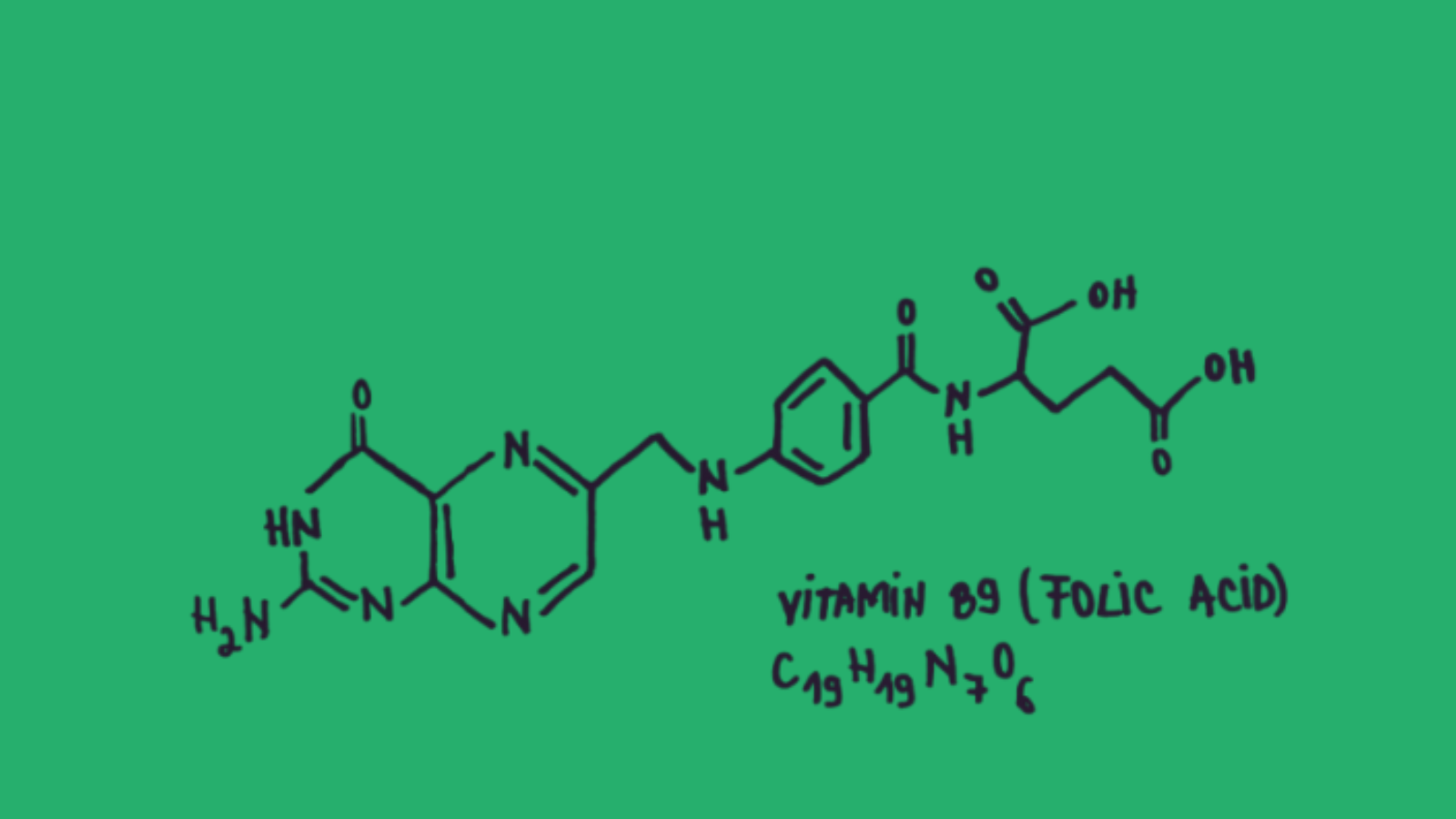
Importantly, sulfonamides do not affect human cells because humans do not synthesize folic acid; instead, they obtain it from food.
4. Uses
Today, sulfonamides are most commonly used together with trimethoprim to treat urinary tract infections and certain respiratory infections. They are also used to treat diseases such as toxoplasmosis and Pneumocystis pneumonia. Some sulfonamide drugs are applied directly to the skin or eyes, while others are found in medications used to treat conditions such as type 2 diabetes.
Like all medicines, sulfonamides can cause side effects. The most common include allergic reactions, stomach upset, headaches, dizziness, photosensitivity (increased sensitivity to sunlight), and kidney problems. In rare cases, they can cause serious allergic skin reactions.
5. Importance
Sulfonamides are an important milestone in medical history because they were the first effective antibacterial drugs used to treat infections. Although bacterial resistance has reduced their use in some cases, they are still valuable medicines for treating specific infections and have helped shape the development of many modern antimicrobial drugs.
6. Bibliography
Sources
Mistral Chemistry Textbook, pages 38–39
Med.ro – Sulfonamides in pharmacology
SfatulMedicului.ro – Medical archive on sulfonamides
Stay Informed
Join our community of medical professionals and researchers. Get the latest insights delivered to your inbox.