
Do Antibiotics Work for Viral Infections? Understanding Antibiotics and Viruses
Do Antibiotics Work for Viral Infections?
When we get sick with a sore throat, cough, fever, or runny nose, it can be tempting to think that an antibiotic will help us recover faster. However, antibiotics are not a universal treatment for infections.
The key question is: Is the infection caused by a bacterium or a virus?
Understanding the difference can help you use medicines safely and protect antibiotics for the situations where they are genuinely needed.
What Are Antibiotics?
Antibiotics are medicines designed to treat bacterial infections. Depending on the type of antibiotic, they work by killing bacteria or preventing them from growing and multiplying.
They can be essential for treating infections such as certain urinary tract infections, bacterial pneumonia, strep throat, and some skin infections.
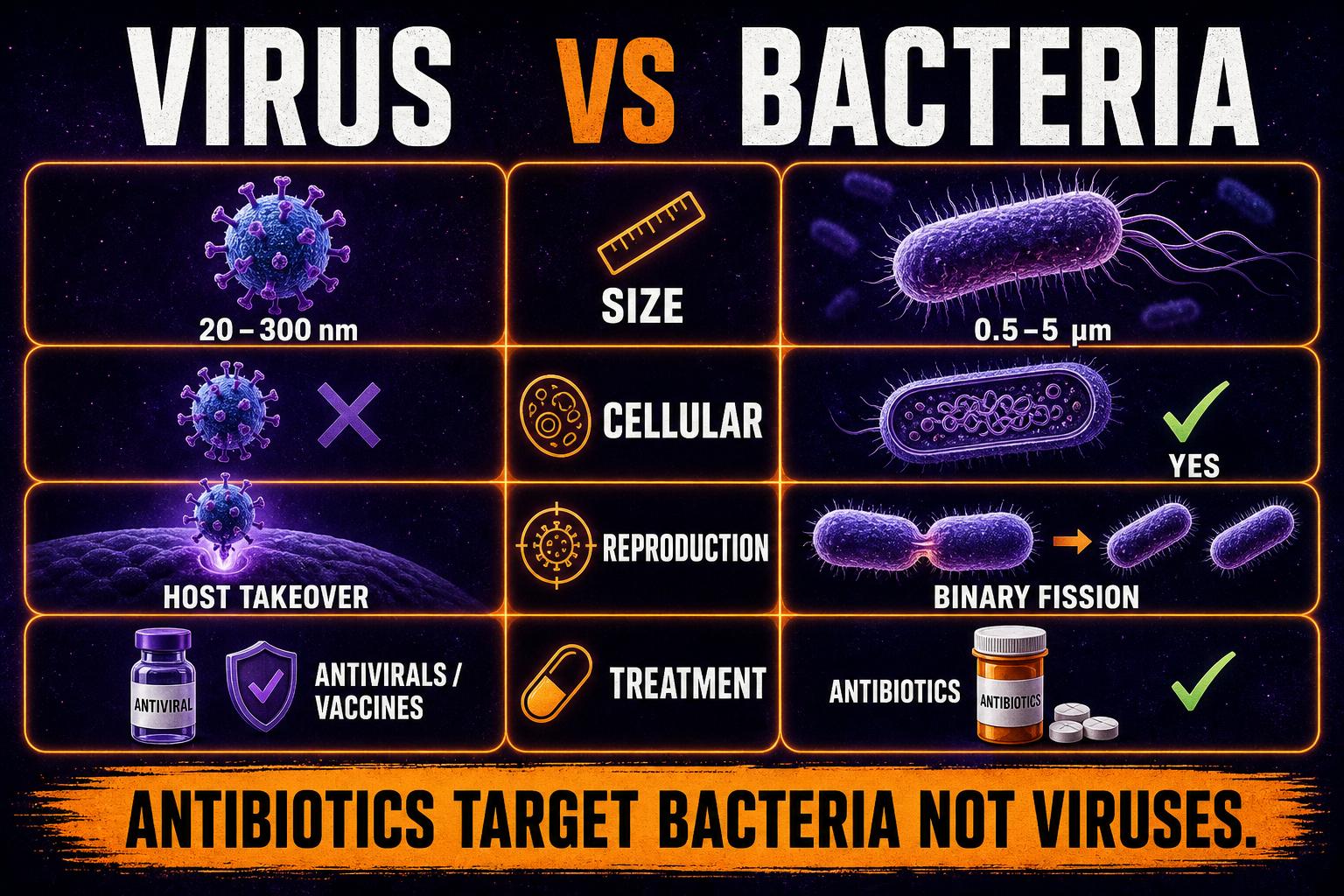
However, antibiotics do not work against viruses.
So, Do Antibiotics Work for Viral Infections?
No. Antibiotics do not treat viral infections.
Viruses are fundamentally different from bacteria. They enter our cells and use the cells' machinery to reproduce. Antibiotics target structures or processes found in bacteria, so they cannot eliminate viruses.
Common viral infections include:
The common cold
Influenza (the flu)
Many cases of sore throat
Most cases of acute bronchitis
COVID-19
Many viral stomach infections
Taking an antibiotic for one of these infections generally will not make the illness disappear faster.
Why Do People Sometimes Feel Better After Taking Antibiotics?
This can be confusing.
Many viral infections improve naturally within several days. If someone begins taking an antibiotic around the same time their symptoms start improving, they may assume the antibiotic caused the recovery.
In reality, the immune system may have been responsible for fighting the virus.
There is another possibility: a bacterial infection can sometimes develop after a viral infection. In that situation, a healthcare professional may prescribe an antibiotic—but the antibiotic is treating the bacterial infection, not the original virus.
What Happens If You Take Antibiotics When You Don't Need Them?
Taking antibiotics unnecessarily doesn't simply mean that the medicine is "wasted." It can have consequences for both individuals and society.
Antibiotic Resistance
One of the biggest concerns is antimicrobial resistance (AMR).
Bacteria can develop mechanisms that allow them to survive medicines that previously killed them or stopped their growth. When resistant bacteria spread, infections can become more difficult to treat.
This is a major global public-health challenge.
Side Effects
Antibiotics can also cause side effects, including:
Nausea
Diarrhea
Stomach discomfort
Skin rashes
Allergic reactions
Some antibiotics can cause more serious adverse effects, depending on the specific medicine.
Using antibiotics only when medically appropriate reduces unnecessary exposure to these risks.
Antibiotics vs. Antivirals: What's the Difference?
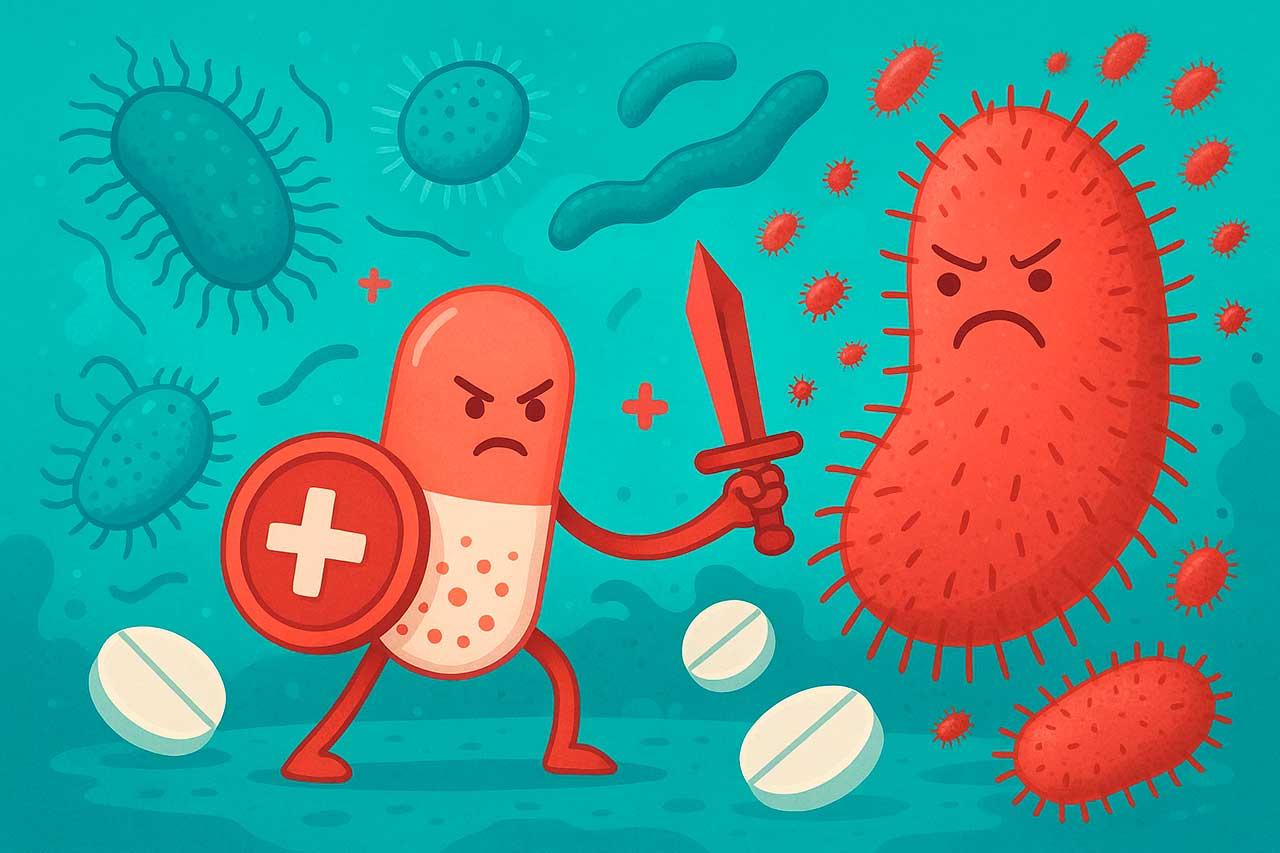
It's important to remember that antibiotics and antiviral medicines are not the same thing.
Antibiotics
Treat certain bacterial infections.
Target bacteria
Do not work against viruses
Examples include amoxicillin and doxycycline
Antivirals
Treat certain viral infections
Target specific viruses or viral processes
Do not generally treat bacterial infections
Examples include some medicines used for influenza or COVID-19
Not every viral infection has a specific antiviral treatment. In many cases, treatment focuses on rest, fluids, and relieving symptoms while the immune system fights the infection.
What Should You Do When You're Sick?
If you develop symptoms such as a cough, fever, sore throat, or congestion, don't automatically assume you need an antibiotic.
Instead:
1. Get the cause assessed when necessary.
A healthcare professional can evaluate your symptoms and determine whether testing or treatment is needed.
2. Don't use leftover antibiotics.
Medication prescribed for a previous infection may not be appropriate for your current illness.
3. Don't share antibiotics.
An antibiotic that was prescribed for someone else may be unsuitable or unsafe for you.
4. Follow medical advice.
If you are prescribed an antibiotic, take it exactly as directed by your healthcare professional.
When Should You Seek Medical Advice?
Many viral infections are mild and resolve on their own. However, you should seek medical advice if symptoms are severe, getting worse, lasting longer than expected, or if you are particularly vulnerable to complications.
Seek urgent medical attention for symptoms such as difficulty breathing, severe chest pain, confusion, fainting, or other signs of a serious illness.
The Bottom Line
Antibiotics treat bacteria—not viruses.
Taking antibiotics when they aren't needed won't treat a viral infection and can expose you to unnecessary side effects while contributing to antibiotic resistance.
The best approach is to understand what is causing an infection and use the appropriate treatment. When in doubt, speak with a healthcare professional rather than taking antibiotics on your own.
Remember:
🦠 Virus → Antibiotics don't work
🧫 Bacteria → Antibiotics may be appropriate
💊 Always use antibiotics according to medical advice
Using antibiotics responsibly today helps ensure that these important medicines continue to work when we need them in the future.
Stay Informed
Join our community of medical professionals and researchers. Get the latest insights delivered to your inbox.