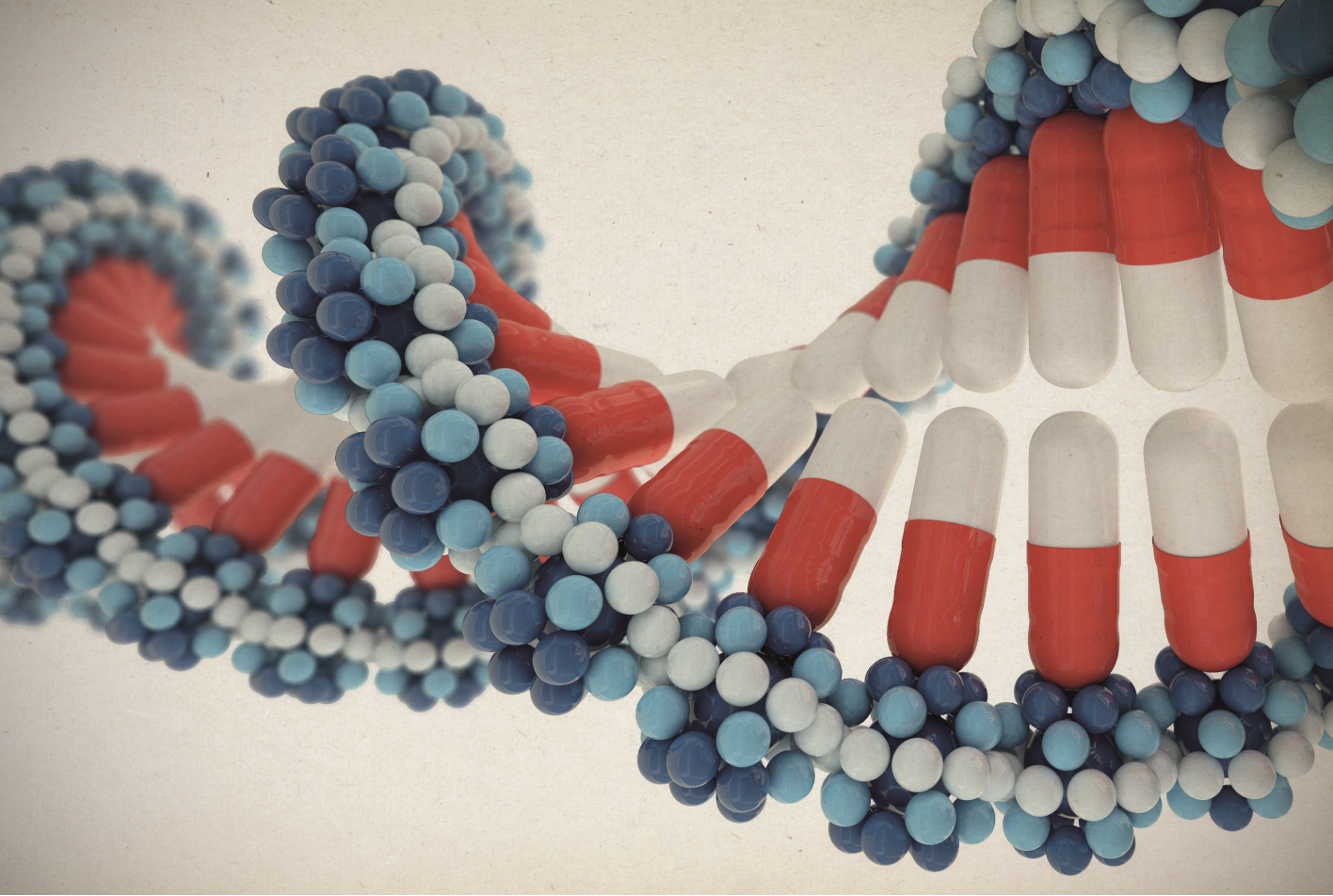
Pharmacogenomics: Could Your DNA Tell Doctors Which Medication You Need?
Imagine two patients with the same illness receiving the same medication. One improves quickly, while the other experiences unpleasant side effects or barely responds at all. Why can the same drug affect people so differently?
Part of the answer may be hidden in our DNA. Pharmacogenomics is the study of how a person’s genetic differences influence their response to medications. Instead of using a “one-size-fits-all” approach, pharmacogenomics aims to help doctors choose medications and doses that are more likely to work safely for an individual patient.
Why don’t medicines work the same way for everyone?
When you take a medication, your body has to absorb, break down and eventually remove it. These processes are influenced by many factors, including age, diet, other medications and liver or kidney function. Genetics can also play an important role. Small differences in DNA can affect proteins involved in drug metabolism, transport and drug targets. For example, some people may break down a particular medication much faster than average. The drug may therefore be removed from their body before it has enough time to work. Others may break it down more slowly, potentially causing the medication to remain in the body for longer.
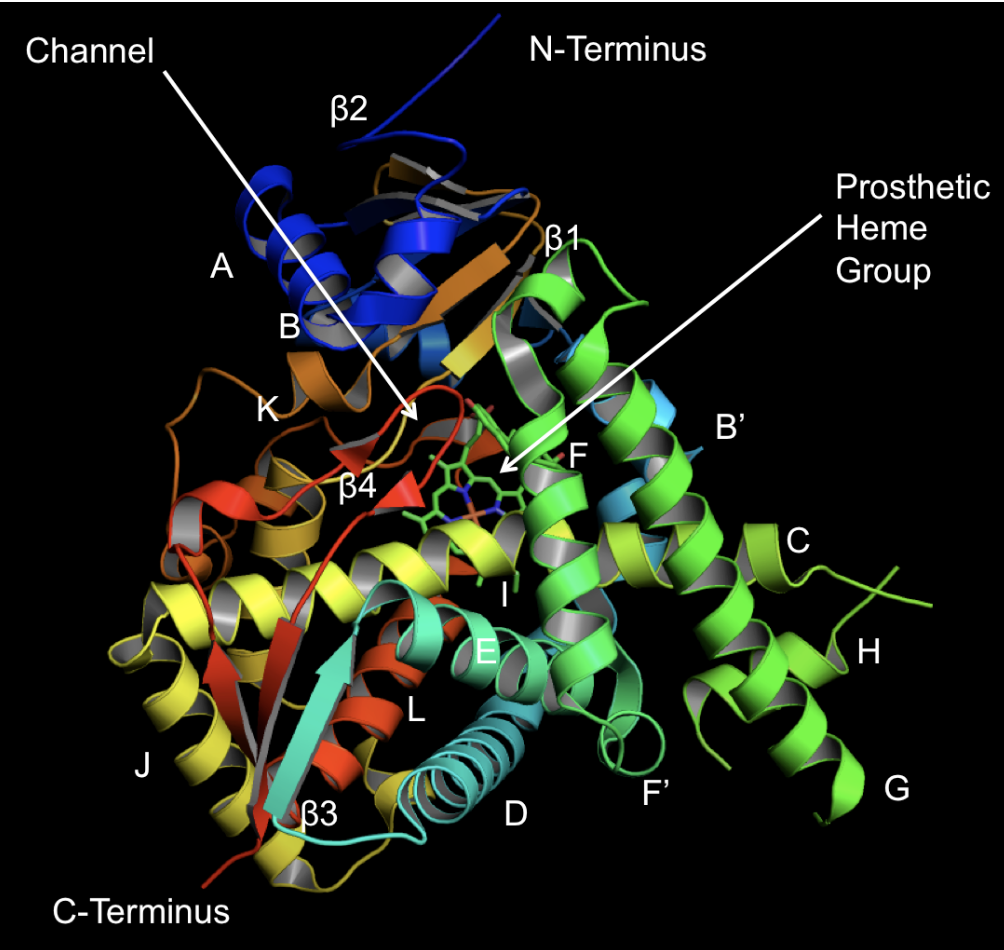
One well-known example involves enzymes from the cytochrome P450 family. These enzymes help the body metabolise many medications. Variations in genes that code for these enzymes can cause people to metabolise certain drugs at different rates.
Cytochrome P450 - the superfamily of enzymes
From DNA to treatment
Pharmacogenomics generally follows a simple idea:
DNA → protein function → drug response → treatment decision
A doctor may order a genetic test to identify particular variants that are known to influence how a patient responds to a medication. The result can then help inform the choice of drug or dose.
For example, variations in the CYP2C19 gene can influence how people process the antiplatelet drug clopidogrel. Some patients have genetic variants that reduce their ability to convert clopidogrel into its active form. In these cases, the medication may not work as effectively, potentially increasing the risk of complications.
Another example involves the TPMT and NUDT15 genes. Variations in these genes can increase the risk of serious toxicity from certain thiopurine medications, which are used in conditions including some cancers and inflammatory diseases. Genetic information can help doctors determine whether a lower dose or an alternative treatment may be more appropriate.
Is pharmacogenomics the future of personalised medicine?
Pharmacogenomics is already being used in clinical medicine, although its application varies depending on the medication, healthcare system and available genetic testing. Its potential is particularly exciting because adverse drug reactions are an important medical problem. If doctors can identify patients who are more likely to experience serious side effects before treatment begins, they may be able to prevent some of these reactions.
Pharmacogenomics could also reduce the time spent trying different medications. Instead of prescribing one drug, waiting to see whether it works and then switching if necessary, genetic information could sometimes provide an additional clue about which treatment is more suitable from the beginning.
However, DNA cannot tell doctors everything.
A person’s genetic profile is only one factor influencing their response to medication. Lifestyle, environmental factors, other illnesses, interactions between medications, and even changes in the gut microbiome can also affect treatment outcomes. Most importantly, not every medication has a clinically useful pharmacogenomic test.
What are the challenges?
One major challenge is interpreting genetic information correctly. Finding a genetic variant does not automatically mean that a particular treatment will or will not work. Scientists need strong clinical evidence showing that a genetic difference actually affects treatment outcomes.
There are also questions surrounding privacy and ethics. Genetic information is highly personal, so patients need to understand how their data is collected, stored and used. Healthcare systems must ensure that genetic testing does not lead to discrimination or unnecessary testing.
Another challenge is accessibility. Advanced genetic testing may not be equally available to everyone. If pharmacogenomics becomes increasingly important in medicine, ensuring that its benefits are accessible across different populations and healthcare systems will be essential.
So, could your DNA tell doctors which medication you need?
Sometimes, but not yet with complete certainty.
Pharmacogenomics is moving medicine away from the idea that the same treatment should work equally well for everyone. By combining genetic information with a patient’s medical history and other characteristics, doctors may be able to make increasingly personalised treatment decisions.
The goal isn’t to replace doctors with genetic tests. Instead, pharmacogenomics could give doctors another powerful piece of information when deciding which medication is most appropriate.
In the future, a routine genetic profile might help guide decisions about certain medications before a patient even takes their first dose. The idea is simple but potentially transformative: the right drug, for the right patient, at the right dose, at the right time.
Stay Informed
Join our community of medical professionals and researchers. Get the latest insights delivered to your inbox.