How Taste Is Manipulated: The Chemistry of Flavor Perception
Have you ever noticed that orange juice tastes strange after brushing your teeth? Or wondered how a sour lemon can somehow taste sweet?
Taste is something we usually take for granted, but it is actually the result of a complicated interaction between chemicals, receptors, nerves, and the brain. Certain substances can interfere with this process and temporarily change the way we experience food.
Some compounds can reduce sweetness, while others can produce the opposite effect and make sour foods taste sweet. Understanding these substances gives us a better idea of how taste works and how easily our perception of flavor can be changed.
1. Substances That Inhibit or Change Taste Perception
Taste is one of the five basic human senses. The five basic tastes are sweet, sour, salty, bitter, and umami. Specialized taste cells contain receptors that respond to chemicals in food and send signals through nerves to the brain, where different tastes are identified.
Taste is also only one part of what we experience as flavor. Smell, texture, temperature, and other sensations in the mouth all contribute to the overall experience of eating. In fact, many people who believe they have lost their sense of taste are actually experiencing a problem with their sense of smell.
Because of how this system works, certain substances can temporarily modify taste perception.
Gymnemic Acid
Gymnemic acids are naturally occurring compounds found in the leaves of Gymnema sylvestre, a plant traditionally used in herbal medicine.
One of their most interesting effects is their ability to suppress sweetness. After exposure to gymnemic acid, sweet foods can taste much less sweet than they normally would.
Gymnemic acid is considered an “antisweet” compound because it can interfere with the perception of sweetness while having much less effect on other basic tastes.
Gymnemic acid has also attracted attention because of its possible relationship with the consumption of sweet foods. However, its ability to reduce sweetness should not be confused with a proven treatment for diabetes or blood sugar problems. Changing the way sweetness is perceived does not remove the sugar from the food.

Lactisole
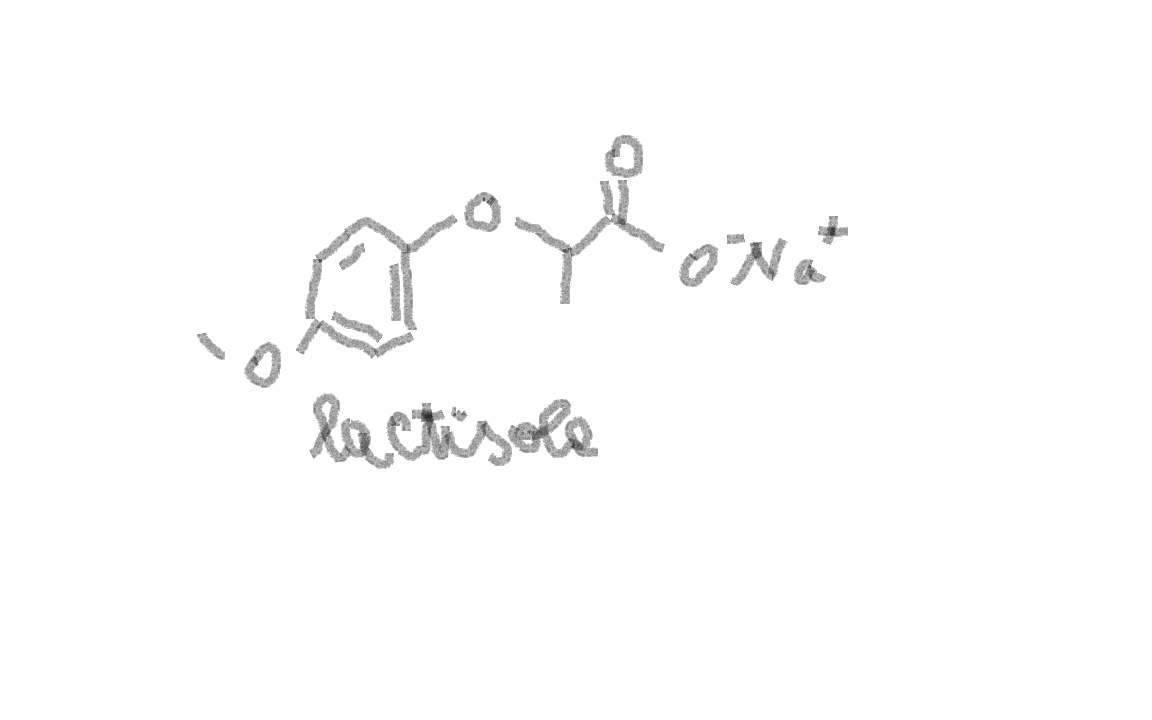
Lactisole is a synthetic compound that can reduce the perception of sweetness.
It works by interfering with sweet taste receptors, allowing the sweetness of a food to be reduced without necessarily removing the sugar itself. Lactisole has been used in food applications where a lower level of perceived sweetness is desired.
This is particularly interesting because the amount of sugar in a food does not have to change for its sweetness to be perceived differently. Instead, the interaction between sweet compounds and taste receptors is affected.
Lactisole is therefore a useful example of how food science can influence taste perception without simply changing the amount of sugar in a product.
Ziziphin and Hodulcin
Ziziphin and hodulcin are examples of naturally occurring compounds that can suppress sweetness.
Ziziphin is associated with the leaves of Ziziphus jujuba, commonly known as Chinese jujube. It can inhibit the perception of sweetness from different sweet substances.
Hodulcin is associated with Hovenia dulcis. It is also described as an antisweet compound that can suppress sweetness.
These compounds are interesting because their effects can be relatively selective. Rather than simply making everything taste weaker, antisweet compounds can interfere mainly with the perception of sweetness.
Research into these substances has helped show that taste perception can be modified through specific chemical interactions.

Miraculin
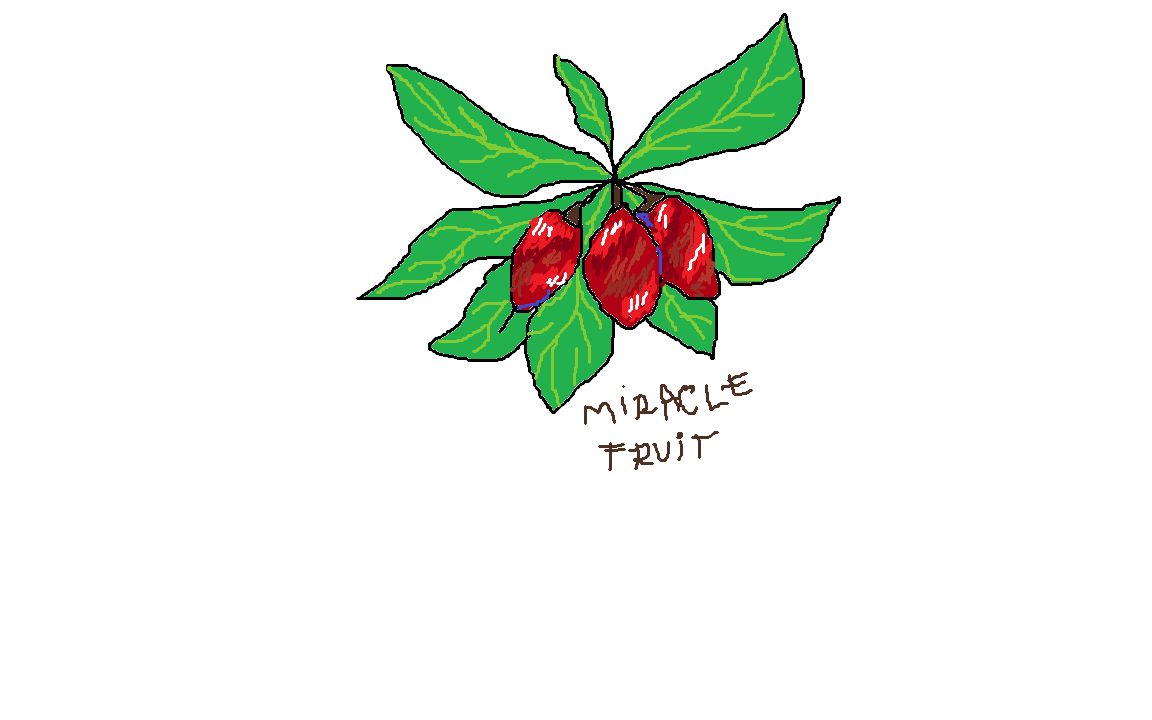
One of the most unusual examples of taste modification is miraculin, a protein found in the berries of the West African plant Synsepalum dulcificum, commonly known as miracle fruit.
Unlike gymnemic acid or ziziphin, miraculin does not simply suppress a taste. Instead, it can make sour foods taste sweet.
After consuming miracle fruit, foods such as lemons can produce a surprisingly sweet sensation. Miraculin interacts with sweet taste receptors in a way that changes how acidic foods are perceived.
The effect can last for a period of time after eating the fruit, which is why the fruit has gained so much attention in studies of taste modification.
Miracle fruit has also been investigated in people experiencing taste changes during chemotherapy. Small studies have suggested that it may improve the taste of food for some patients, although more research is needed before drawing strong conclusions about its medical use.
This makes miraculin especially interesting because the food itself has not necessarily changed. A lemon is still acidic, but the way the taste receptors respond to it has been modified.
Other Taste-Modifying Substances
Taste can also be affected by other substances and everyday products.
Adenosine monophosphate (AMP): Has been investigated for its ability to interfere with bitter taste perception.
Toothpaste ingredients: Some ingredients in toothpaste can temporarily alter taste, which helps explain why foods and drinks may taste unusual immediately after brushing your teeth.
Other chemical compounds: Certain substances can produce lingering or unusual taste sensations by affecting taste receptors or other sensory pathways.
These examples show that taste is not a completely fixed sensation. The chemicals that interact with our sensory system can change what we experience without necessarily changing the food itself.
2. Taste Loss, Disorders, and Clinical Impact
Taste becomes especially noticeable when something goes wrong with it.
Taste disorders can affect nutrition, food choices, appetite, and quality of life. Taste also helps us detect spoiled food and can influence how much we eat.
At the same time, taste and smell are closely connected. People who believe they have lost their sense of taste may actually have a problem with their sense of smell, which contributes greatly to what we experience as flavor.
Key Categories of Taste Dysfunction
There are several different types of taste disorders:
--> Ageusia: Complete loss of taste.
--> Hypogeusia: Reduced ability to taste.
--> Dysgeusia: A distorted or unpleasant taste sensation, which can include metallic, salty, rancid, or foul tastes.
--> Phantom taste perception: Experiencing a taste even though there is nothing in the mouth.
True complete loss of taste is relatively uncommon. The NIDCD notes that many people who think they have lost their sense of taste actually have a problem with their sense of smell.
Common Causes of Taste Disorders
Taste problems can develop for many different reasons.
--> Upper respiratory and middle ear infections can affect taste. COVID-19 can also cause taste and smell disturbances.
--> Poor oral hygiene, dental problems, oral pain, and problems with dentures can affect taste.
--> Medications and chemicals: Some antibiotics, antihistamines, and other medications can alter taste. Exposure to certain chemicals can also contribute to taste problems.
--> Head injuries: Damage to structures or nerves involved in taste can affect perception.
--> Surgery: Some ear, nose, and throat procedures, as well as wisdom tooth extraction, can sometimes affect taste.
--> Radiation therapy: Radiation treatment involving the head and neck can affect taste.
Diagnosis and Evaluation
Taste disorders are generally evaluated by an otolaryngologist, commonly known as an ENT specialist.
A taste evaluation can involve identifying different tastes and determining the lowest concentration of a substance that a person can detect or recognize. A doctor may also examine the ears, nose, throat, and mouth, review the person's medical history, and assess oral hygiene.
Smell may also be evaluated because of its close relationship with flavor perception.
Management and Treatment
Treatment depends on the cause of the taste disorder.
If a medication is responsible, a doctor may consider changing it when appropriate. If an infection or another medical condition is responsible, treating the underlying problem may allow taste to return. Good oral hygiene and professional dental care can also help in some cases.
For people with persistent taste problems, changing the sensory experience of food can sometimes make eating more enjoyable. Using different colors, textures, aromatic herbs, and spices can add variety without simply adding extra sugar or salt.
Conclusion
Taste is much more complicated than it first appears. A small change in the chemistry around our taste receptors can change the way an entire food is experienced.
Gymnemic acid, lactisole, ziziphin, and hodulcin are examples of compounds that can suppress sweetness, while miraculin can produce the unusual experience of sour foods tasting sweet. At the same time, illnesses, medications, injuries, and oral problems can interfere with taste and affect everyday life.
What makes taste especially interesting is that the food itself does not always have to change for our experience of it to change. Sometimes, the difference happens at the level of a receptor, a nerve, or the way the brain interprets a chemical signal.
References
National Institute on Deafness and Other Communication Disorders (NIDCD). Taste Disorders. National Institutes of Health.
NIDCD — Taste Disorders
National Institute of Dental and Craniofacial Research (NIDCR). Taste Disorders. National Institutes of Health.
NIDCR — Taste Disorders
Memorial Sloan Kettering Cancer Center. Synsepalum dulcificum. About Herbs.
Memorial Sloan Kettering — Synsepalum dulcificum
Sensory Society. Taste-Modifying Compounds. Sensory Society Knowledge Center.
Sensory Society — Taste-Modifying Compounds
Lactisole.com. Sweetness inhibitors that reduce excessively sweet taste in high-sugar food.
Lactisole.com — Sweetness inhibitors
Encyclopaedia Britannica. Miracle fruit.
Britannica — Miracle fruit
*All illustrations in this article are my own work.
Personal Note
As a student with an interest in medicine, I put this article together to explore the chemistry and biology behind taste perception. The information was compiled from medical, scientific, and educational sources to better understand how different substances can influence the way we experience taste.
This article is intended for educational purposes. It is not meant to diagnose, treat, or provide medical advice for any individual.
Stay Informed
Join our community of medical professionals and researchers. Get the latest insights delivered to your inbox.